

Więcej o książce
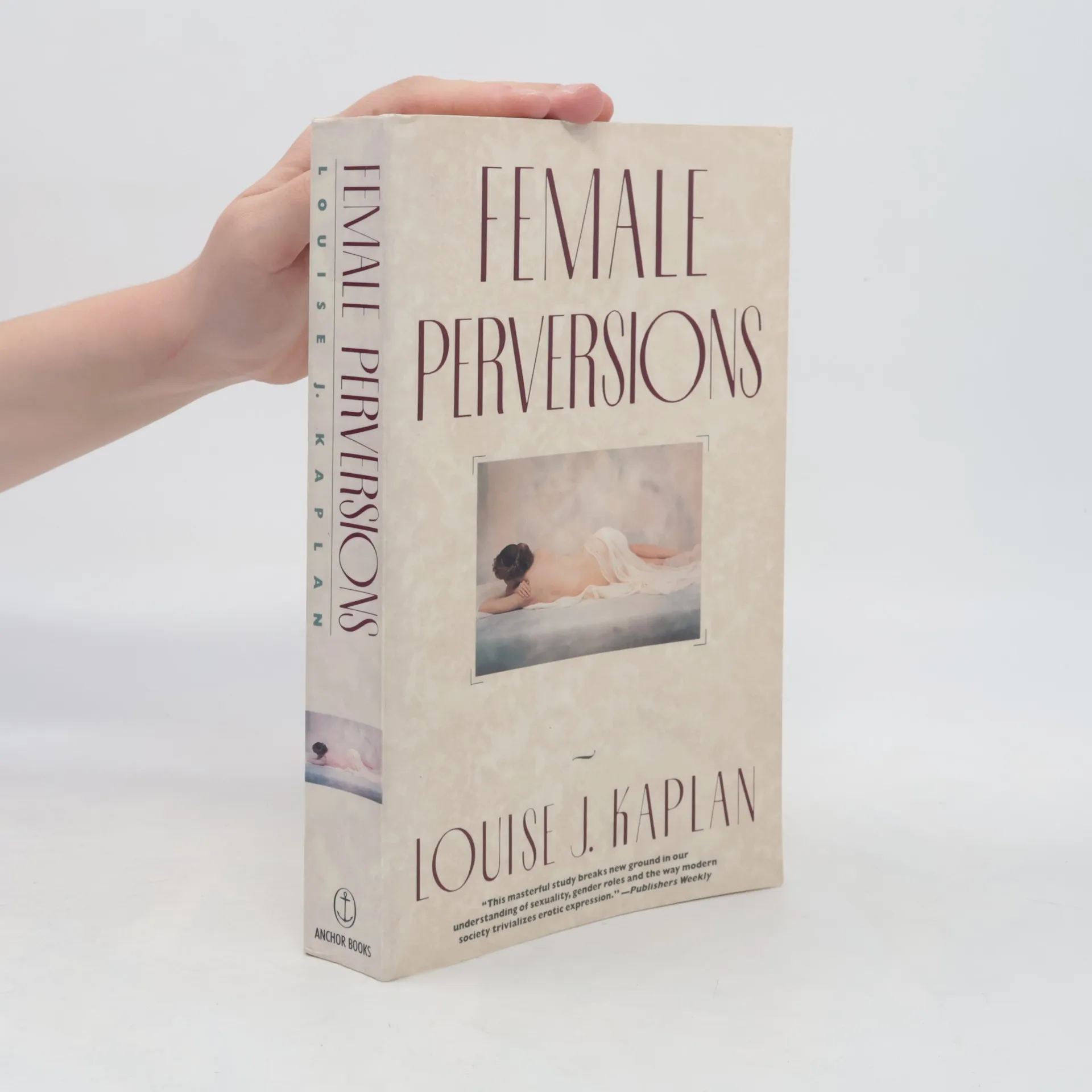
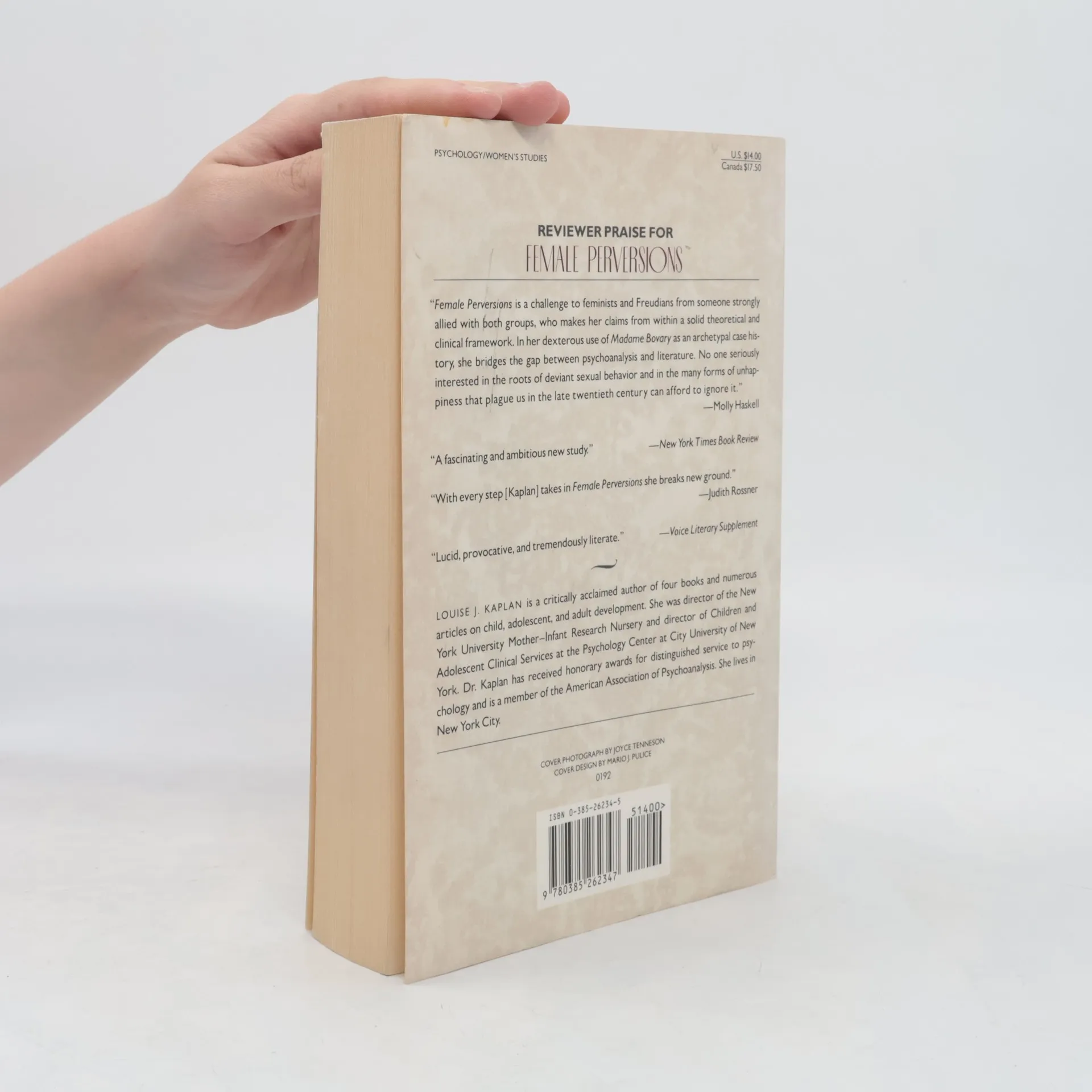
Distinguished psychoanalyst and author Louise Kaplan scrutinizes the world of sexual perversions and exposes the misconceptions behind them in her masterful study, Female Perversions. Her effort earned the book a nomination for a National Book Critics Circle Award. Kaplan's general thesis is that perversions are as much a function of gender role identity as they are of sexuality. Her thesis also maintains that the predominantly male medical profession has created and perpetuated many of the myths of perverse female sexual behavior. The book outlines various types of perverse behavior--fetishism, voyeurism, exhibitionism--and then analyzes each type outside of society's traditional perspective. As she expounds on her theory, Kaplan invokes Gustave Flaubert's Madame Bovary. She sees many parallels between the plight of Emma Bovary and the perception of female perversions in society today. Kaplan writes lucidly, offering an enlightening insight into the provocative and complex issue of female erotic expression to a range of readers.

Zakup książki
Female Perversions, Louise J. Kaplan
- Język

- Rok wydania
- 1991
- Oprawa
- (miękka)
Metody płatności
Brakuje nam tutaj Twojej recenzji.
- Tytuł
- Female Perversions
- Język
- angielski
- Autorzy
- Louise J. Kaplan
- Wydawca
- Anchor
- Rok wydania
- 1991
- Oprawa
- miękka
- Liczba stron
- 580
- ISBN10
- 0385262345
- ISBN13
- 9780385262347
- Seria
- Oryginalna nazwa
- Female perversions
- Ocena
- 3,5 z 5
- Opis
- Distinguished psychoanalyst and author Louise Kaplan scrutinizes the world of sexual perversions and exposes the misconceptions behind them in her masterful study, Female Perversions. Her effort earned the book a nomination for a National Book Critics Circle Award. Kaplan's general thesis is that perversions are as much a function of gender role identity as they are of sexuality. Her thesis also maintains that the predominantly male medical profession has created and perpetuated many of the myths of perverse female sexual behavior. The book outlines various types of perverse behavior--fetishism, voyeurism, exhibitionism--and then analyzes each type outside of society's traditional perspective. As she expounds on her theory, Kaplan invokes Gustave Flaubert's Madame Bovary. She sees many parallels between the plight of Emma Bovary and the perception of female perversions in society today. Kaplan writes lucidly, offering an enlightening insight into the provocative and complex issue of female erotic expression to a range of readers.