

Więcej o książce
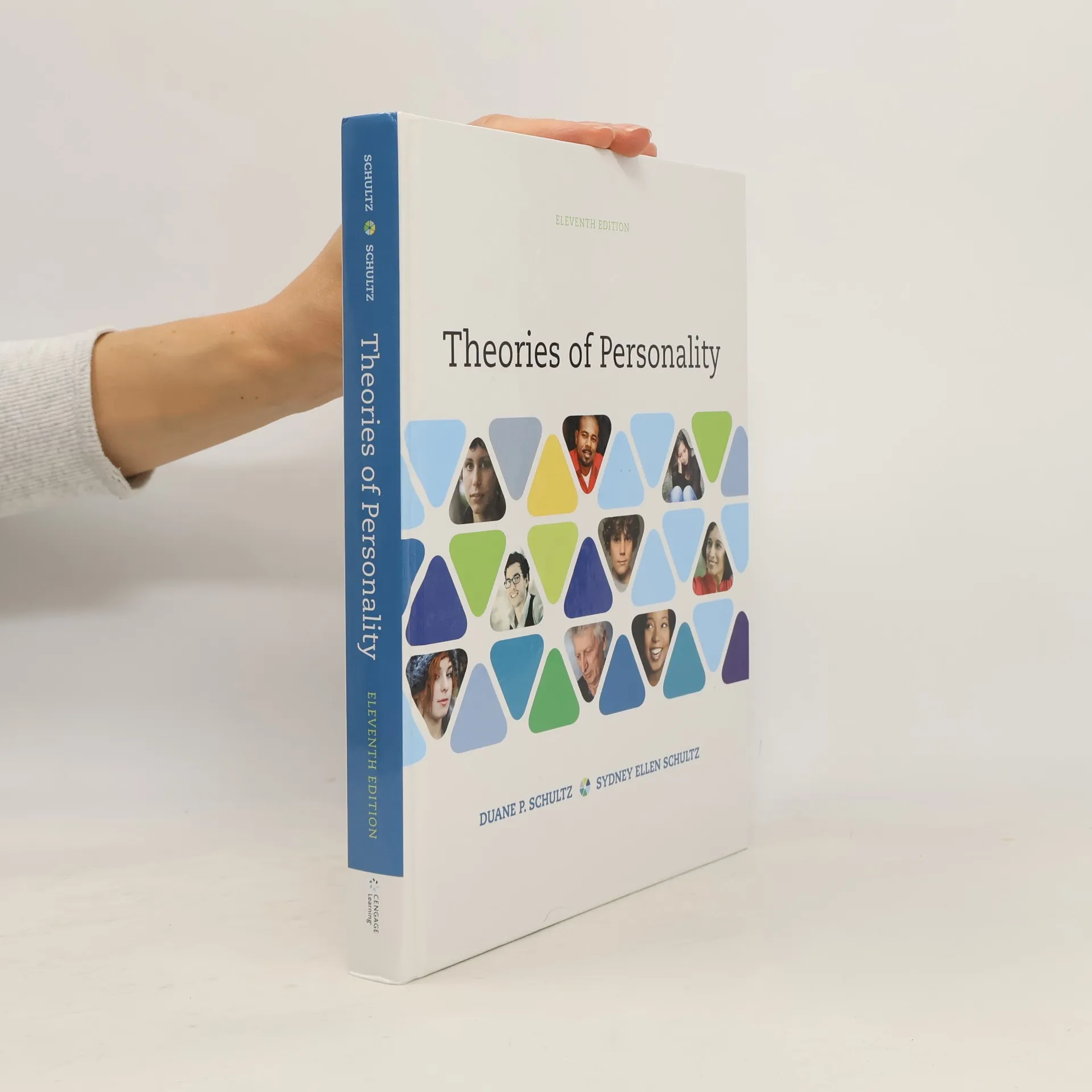
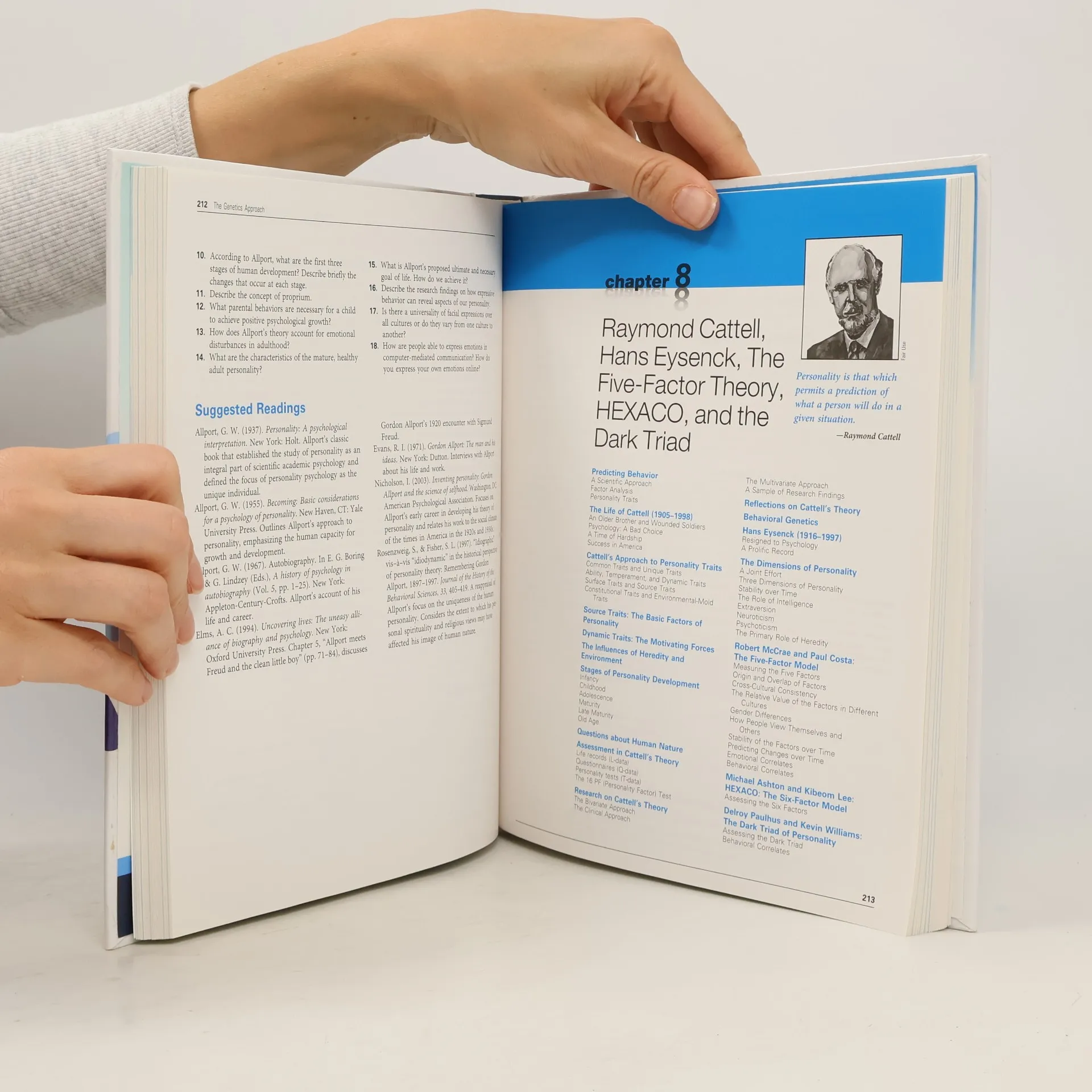
How does using FaceBook affect your personality? Do selfies show the real you? You'll find the answers in THEORIES OF PERSONALITY, 11th Edition, which gives you a clear and cogent introduction to this dynamic field. Updated with new research and findings, this popular text discusses major theorists who represent psychoanalytic, neopsychoanalytic, lifespan, trait, humanistic, cognitive, behavioral, and social-learning approaches, while demonstrating the influence of events in theorists' lives on the development of their theories. It reviews current work on selected facets of personality including locus of control, sensation seeking, learned helplessness, optimism-pessimism, and positive psychology, and explores how race, gender, and cultural issues play a part in the study of personality and in personality assessment. The final chapter integrates topics explored in previous chapters and suggests conclusions that can be drawn from the many theorists' work.
Wydanie

Zakup książki
Theories of Personality, Duane Schultz, Schultz Sydney Ellen
- Język

- Rok wydania
- 2016
- Oprawa
- (twarda),
- Stan książki
- Dobry
- Cena
- 37,79 zł
Metody płatności
Brakuje nam tutaj Twojej recenzji.
- Tytuł
- Theories of Personality
- Język
- angielski
- Autorzy
- Duane Schultz, Schultz Sydney Ellen
- Wydawca
- Cengage Learning
- Rok wydania
- 2016
- Oprawa
- twarda
- Liczba stron
- 512
- ISBN10
- 1305652959
- ISBN13
- 9781305652958
- Seria
- Ocena
- 3 z 5
- Opis
- How does using FaceBook affect your personality? Do selfies show the real you? You'll find the answers in THEORIES OF PERSONALITY, 11th Edition, which gives you a clear and cogent introduction to this dynamic field. Updated with new research and findings, this popular text discusses major theorists who represent psychoanalytic, neopsychoanalytic, lifespan, trait, humanistic, cognitive, behavioral, and social-learning approaches, while demonstrating the influence of events in theorists' lives on the development of their theories. It reviews current work on selected facets of personality including locus of control, sensation seeking, learned helplessness, optimism-pessimism, and positive psychology, and explores how race, gender, and cultural issues play a part in the study of personality and in personality assessment. The final chapter integrates topics explored in previous chapters and suggests conclusions that can be drawn from the many theorists' work.