


Parametry
- 420 stron
- 15 godzin czytania
Więcej o książce
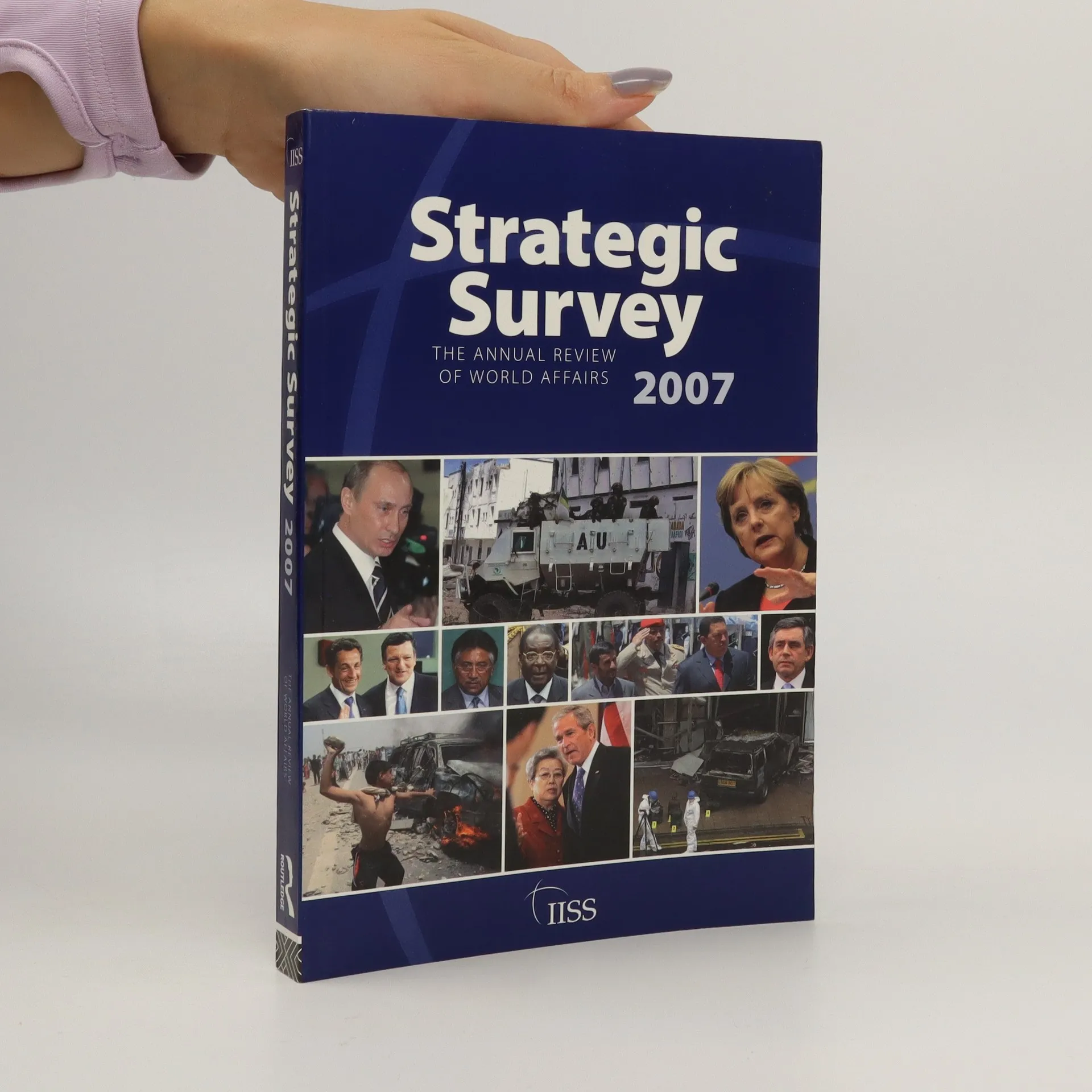
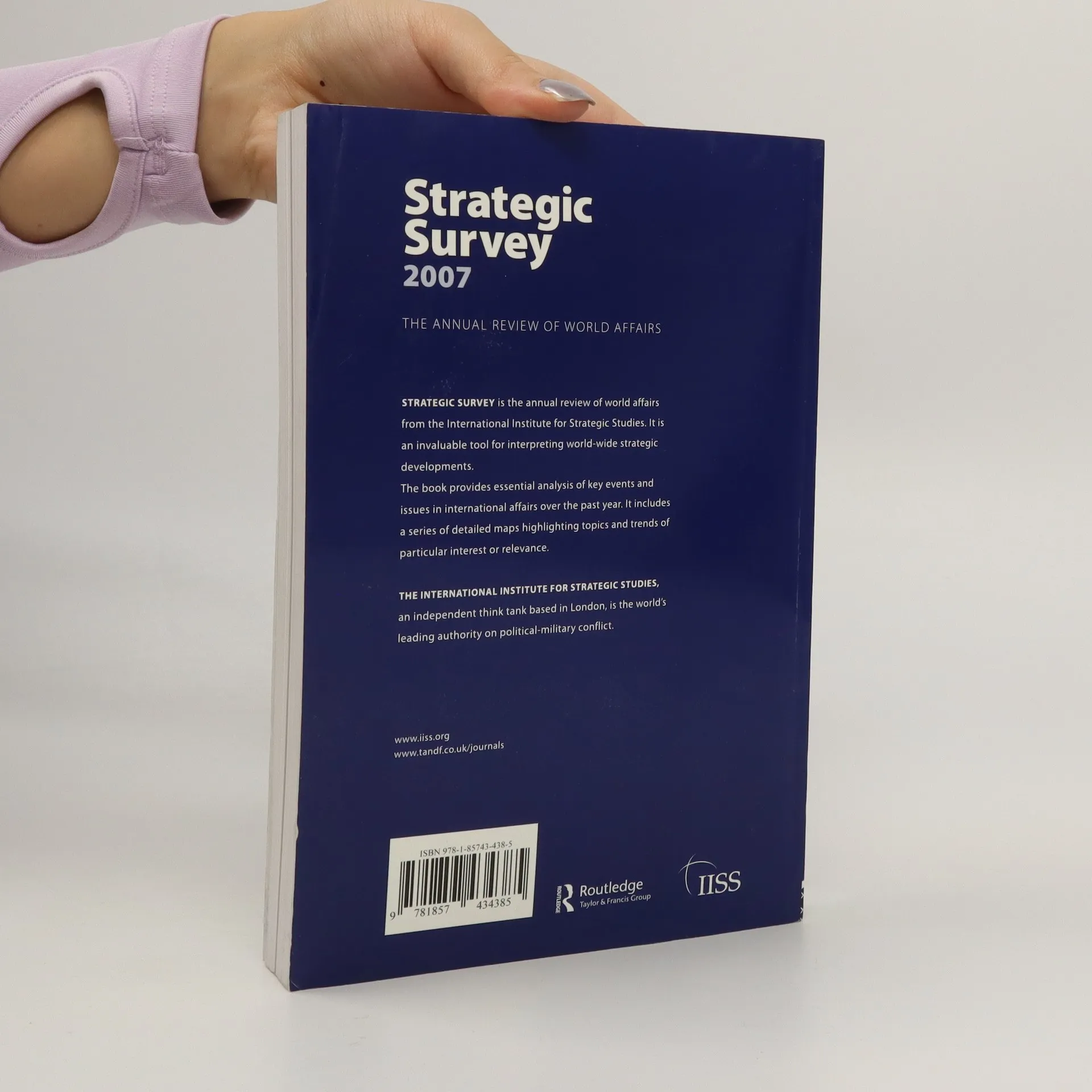
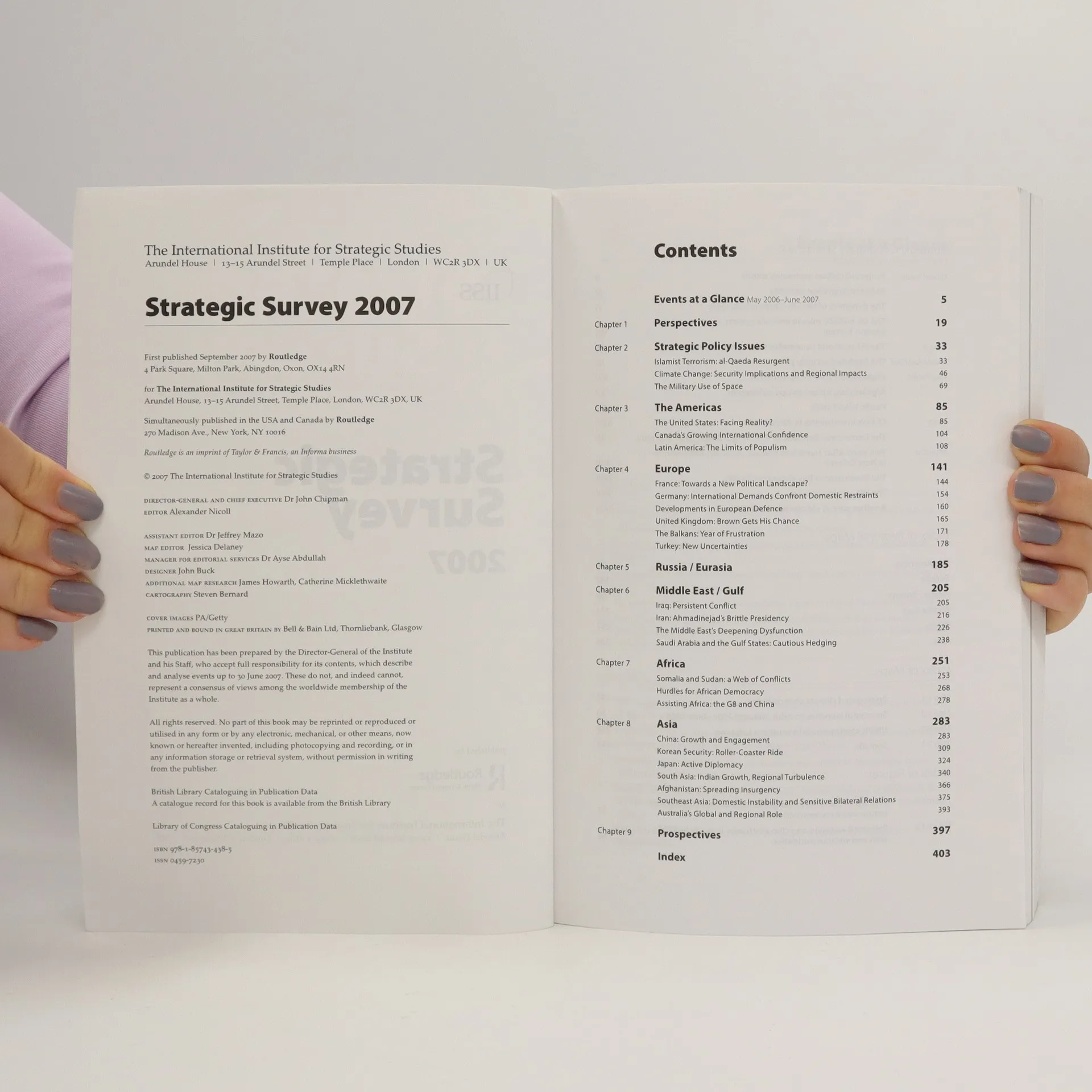
The Strategic Survey is a journal of records that includes all relevant names and titles, chronologies and dates. But it is also much the hard facts are embossed in considered and nuanced analysis over 300 pages of text.The Strategic Survey opens with 'Perspectives', an assessment of the effect of major events and trends on the strategic landscape. Next, particular strategic policy issues, such as terrorism and weapons of mass destruction, missile defence and the future of peacekeeping, are examined in separate chapters. Another eighteen to twenty chapters of similar length, written along thematic rather than merely chronological lines, cover developments in particular regions or countries. The Strategic Survey concludes with 'Prospectives', an essay setting forth strategic priorities for the coming year. Also included are thirty-two pages of maps depicting strategically important activity and political change - such as piracy and Russia's new federal districts - globally, regionally and locally. The interplay of political developments and the actual or potential use of military force remains The Strategic Survey's chief concern. Nevertheless, since the end of the Cold War and of the first distinct post-Cold War period, the Institute has recognised that any survey of matters strategic needs to broaden its scope to embrace economic globalization and other aspects of the 'post-modern' world.
Zakup książki
Strategic Survey 2007 : The Annual Review of World Affairs, Alexander Nicoll, John Chipman
- Język

- Rok wydania
- 2007
- Oprawa
- (miękka)
Metody płatności
Nikt jeszcze nie ocenił.
- Tytuł
- Strategic Survey 2007 : The Annual Review of World Affairs
- Język
- angielski
- Autorzy
- Alexander Nicoll, John Chipman
- Wydawca
- Routledge
- Rok wydania
- 2007
- Oprawa
- miękka
- Liczba stron
- 420
- ISBN10
- 1857434382
- ISBN13
- 9781857434385
- Seria
- Opis
- The Strategic Survey is a journal of records that includes all relevant names and titles, chronologies and dates. But it is also much the hard facts are embossed in considered and nuanced analysis over 300 pages of text.The Strategic Survey opens with 'Perspectives', an assessment of the effect of major events and trends on the strategic landscape. Next, particular strategic policy issues, such as terrorism and weapons of mass destruction, missile defence and the future of peacekeeping, are examined in separate chapters. Another eighteen to twenty chapters of similar length, written along thematic rather than merely chronological lines, cover developments in particular regions or countries. The Strategic Survey concludes with 'Prospectives', an essay setting forth strategic priorities for the coming year. Also included are thirty-two pages of maps depicting strategically important activity and political change - such as piracy and Russia's new federal districts - globally, regionally and locally. The interplay of political developments and the actual or potential use of military force remains The Strategic Survey's chief concern. Nevertheless, since the end of the Cold War and of the first distinct post-Cold War period, the Institute has recognised that any survey of matters strategic needs to broaden its scope to embrace economic globalization and other aspects of the 'post-modern' world.