



Seria
Więcej o książce
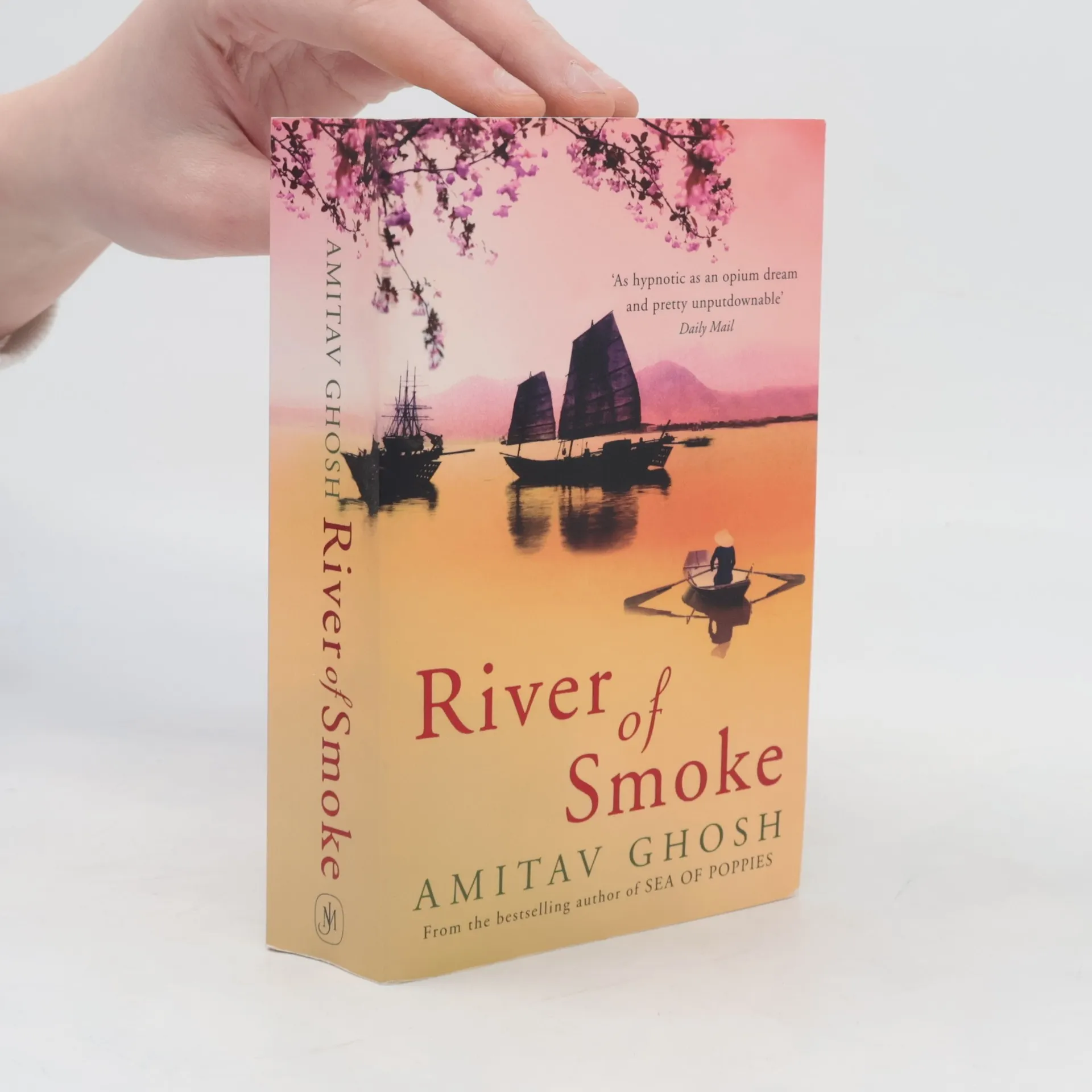
In September 1838, a storm blows up on the Indian Ocean and the Ibis, a ship carrying a consignment of convicts and indentured laborers from Calcutta to Mauritius, is caught up in the whirlwind. River of Smoke follows its storm-tossed characters to the crowded harbors of China. There, despite efforts of the emperor to stop them, ships from Europe and India exchange their cargoes of opium for boxes tea, silk, porcelain and silver. Among them are Bahram Modi, a wealthy Parsi opium merchant out of Bombay, his estranged half-Chinese son Ah Fatt, the orphaned Paulette and a motley collection of others whose pursuit of romance, riches and a legendary rare flower have thrown together. All struggle to cope with their losses—and for some, unimaginable freedoms—in the alleys and crowded waterways of 19th-century Canton.





Zakup książki
River of Smoke, Amitav Ghosh
- Język

- Rok wydania
- 2012
- Oprawa
- (miękka)
Metody płatności
Brakuje nam tutaj Twojej recenzji.
- Tytuł
- River of Smoke
- Język
- angielski
- Autorzy
- Amitav Ghosh
- Wydawca
- John Murray Publishers
- Rok wydania
- 2012
- Oprawa
- miękka
- Liczba stron
- 592
- ISBN10
- 184854717X
- ISBN13
- 9781848547179
- Seria
- Ibis Trilogy
- Kategorie
- Tagi
- Azja, Chiny, Indie, Literatura indyjska, Opium
- Oryginalna nazwa
- River of smoke
- Ocena
- 3,9 z 5
- Opis
- In September 1838, a storm blows up on the Indian Ocean and the Ibis, a ship carrying a consignment of convicts and indentured laborers from Calcutta to Mauritius, is caught up in the whirlwind. River of Smoke follows its storm-tossed characters to the crowded harbors of China. There, despite efforts of the emperor to stop them, ships from Europe and India exchange their cargoes of opium for boxes tea, silk, porcelain and silver. Among them are Bahram Modi, a wealthy Parsi opium merchant out of Bombay, his estranged half-Chinese son Ah Fatt, the orphaned Paulette and a motley collection of others whose pursuit of romance, riches and a legendary rare flower have thrown together. All struggle to cope with their losses—and for some, unimaginable freedoms—in the alleys and crowded waterways of 19th-century Canton.