



Więcej o książce
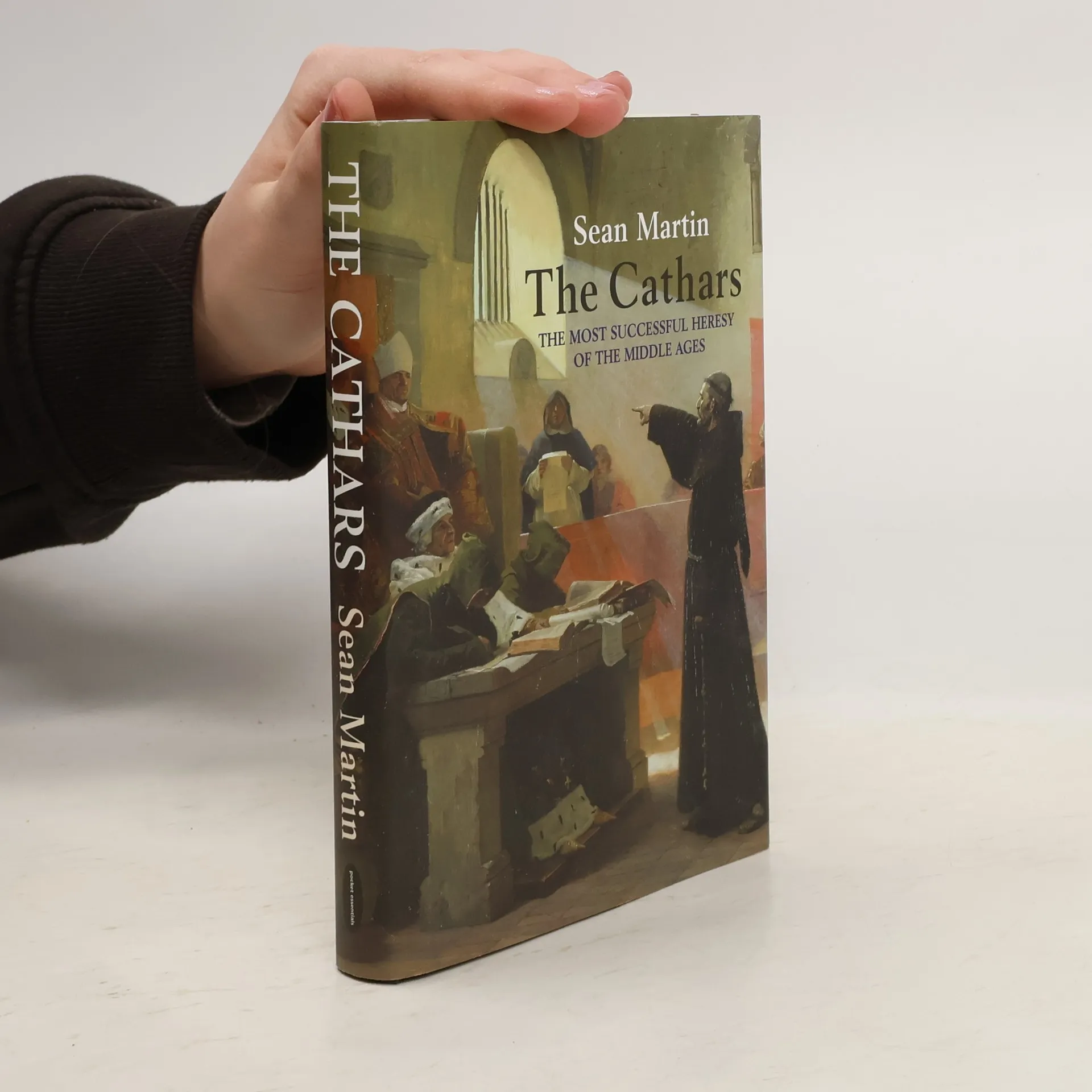
Catharism emerged as the most notable heresy of the Middle Ages, primarily in Languedoc and Italy. The Cathars believed the world was evil and advocated for a life of prayer, work, fasting, and non-violence, claiming to uphold a true Christian heritage dating back to apostolic times. They rejected the Catholic Church, viewing it as the Church of Satan, and conducted their services in fields, barns, and homes. Gaining support from the nobility amidst the political turmoil in southern France, the Cathars also resonated with peasants and artisans. Notably, they respected women, who played significant roles in their movement. Alarmed by their growing influence, the Church established the Inquisition and initiated the Albigensian Crusade to eradicate the heresy. This marked the first Crusade against fellow Christians and was a precursor to European genocide. The fall of the Cathar fortress Montségur in 1244 led to the movement's near obliteration, though it lingered into the early fourteenth century. Today, the mystique of the Cathars endures, and the narrative of their beliefs and the myths surrounding them continues to captivate audiences.


Zakup książki
The Cathars, Sean Martin
- Język

- Rok wydania
- 2004
- Oprawa
- (twarda)
Metody płatności
Brakuje nam tutaj Twojej recenzji.
- Tytuł
- The Cathars
- Podtytuł
- The Most Successful Heresy of the Middle Ages
- Język
- angielski
- Autorzy
- Sean Martin
- Wydawca
- Pocket Essentials
- Rok wydania
- 2004
- Oprawa
- twarda
- Liczba stron
- 160
- ISBN10
- 1904048331
- ISBN13
- 9781904048336
- Seria
- Kategorie
- Ocena
- 3,9 z 5
- Opis
- Catharism emerged as the most notable heresy of the Middle Ages, primarily in Languedoc and Italy. The Cathars believed the world was evil and advocated for a life of prayer, work, fasting, and non-violence, claiming to uphold a true Christian heritage dating back to apostolic times. They rejected the Catholic Church, viewing it as the Church of Satan, and conducted their services in fields, barns, and homes. Gaining support from the nobility amidst the political turmoil in southern France, the Cathars also resonated with peasants and artisans. Notably, they respected women, who played significant roles in their movement. Alarmed by their growing influence, the Church established the Inquisition and initiated the Albigensian Crusade to eradicate the heresy. This marked the first Crusade against fellow Christians and was a precursor to European genocide. The fall of the Cathar fortress Montségur in 1244 led to the movement's near obliteration, though it lingered into the early fourteenth century. Today, the mystique of the Cathars endures, and the narrative of their beliefs and the myths surrounding them continues to captivate audiences.