

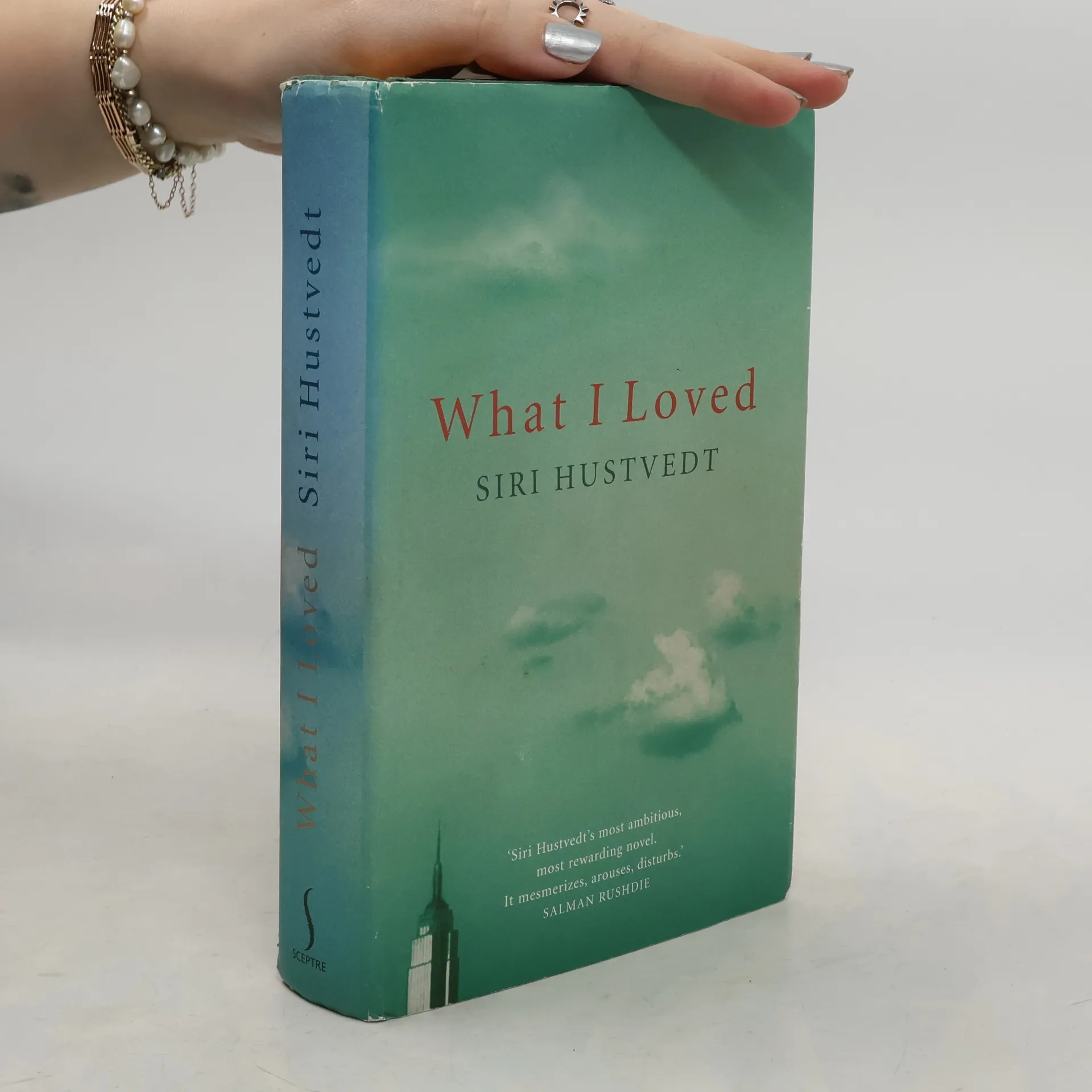
Więcej o książce
What I Loved is a deeply touching elegiac novel that mourns for the New York artistic life, which was of a time but now has gone--by extension, it is about all losses swept away by mischance and time. Half-blind and alone, Leo tells us of marriage and friendship, and makes the sheer fragility of what seemed forever not only his subject, but perhaps the only subject worth considering. Scholars Leo and his wife Erica admire, and befriend, artist Bill and his first and second wives--their respective sons Matthew and Mark grow up together until the first of a series of tragedies strikes. And things get gradually worse from then on, both because terrible things happen and because people do not get over them. Part of the strength of this impressive novel is its emotional intensity and part is the context in which those emotions exist; these are smart and talented people, even the children, and we luxuriate, even when things are at their worst, in the sheer intelligence they bring to bear on their situations. It is also impressive that, for Hustvedt, intelligence is an end in itself rather than something that prevents tragedy or makes it more bearable. This is a powerful book because everything Leo knows makes him ever more the victim of exquisite pain. -- Roz Kaveney




Zakup książki
What I Loved, Siri Hustvedt
- Język

- Rok wydania
- 2003
- Oprawa
- (twarda)
Metody płatności
Brakuje nam tutaj Twojej recenzji.
- Tytuł
- What I Loved
- Język
- angielski
- Autorzy
- Siri Hustvedt
- Wydawca
- Sceptre / Hodder & Stoughton
- Rok wydania
- 2003
- Oprawa
- twarda
- Liczba stron
- 370
- ISBN10
- 034068237X
- ISBN13
- 9780340682371
- Seria
- Kategorie
- Oryginalna nazwa
- What I loved
- Ocena
- 4,35 z 5
- Opis
- What I Loved is a deeply touching elegiac novel that mourns for the New York artistic life, which was of a time but now has gone--by extension, it is about all losses swept away by mischance and time. Half-blind and alone, Leo tells us of marriage and friendship, and makes the sheer fragility of what seemed forever not only his subject, but perhaps the only subject worth considering. Scholars Leo and his wife Erica admire, and befriend, artist Bill and his first and second wives--their respective sons Matthew and Mark grow up together until the first of a series of tragedies strikes. And things get gradually worse from then on, both because terrible things happen and because people do not get over them. Part of the strength of this impressive novel is its emotional intensity and part is the context in which those emotions exist; these are smart and talented people, even the children, and we luxuriate, even when things are at their worst, in the sheer intelligence they bring to bear on their situations. It is also impressive that, for Hustvedt, intelligence is an end in itself rather than something that prevents tragedy or makes it more bearable. This is a powerful book because everything Leo knows makes him ever more the victim of exquisite pain. -- Roz Kaveney