



Więcej o książce
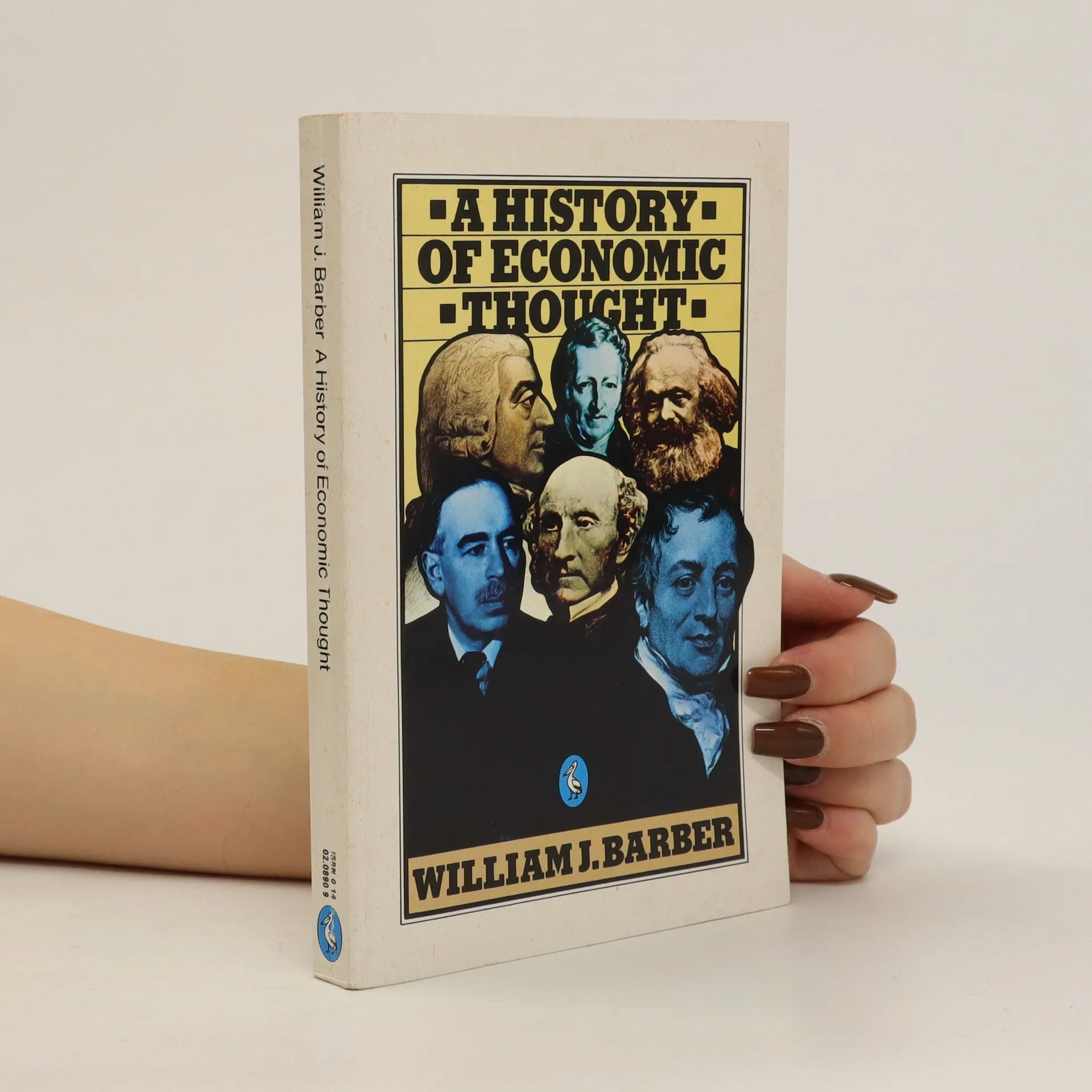
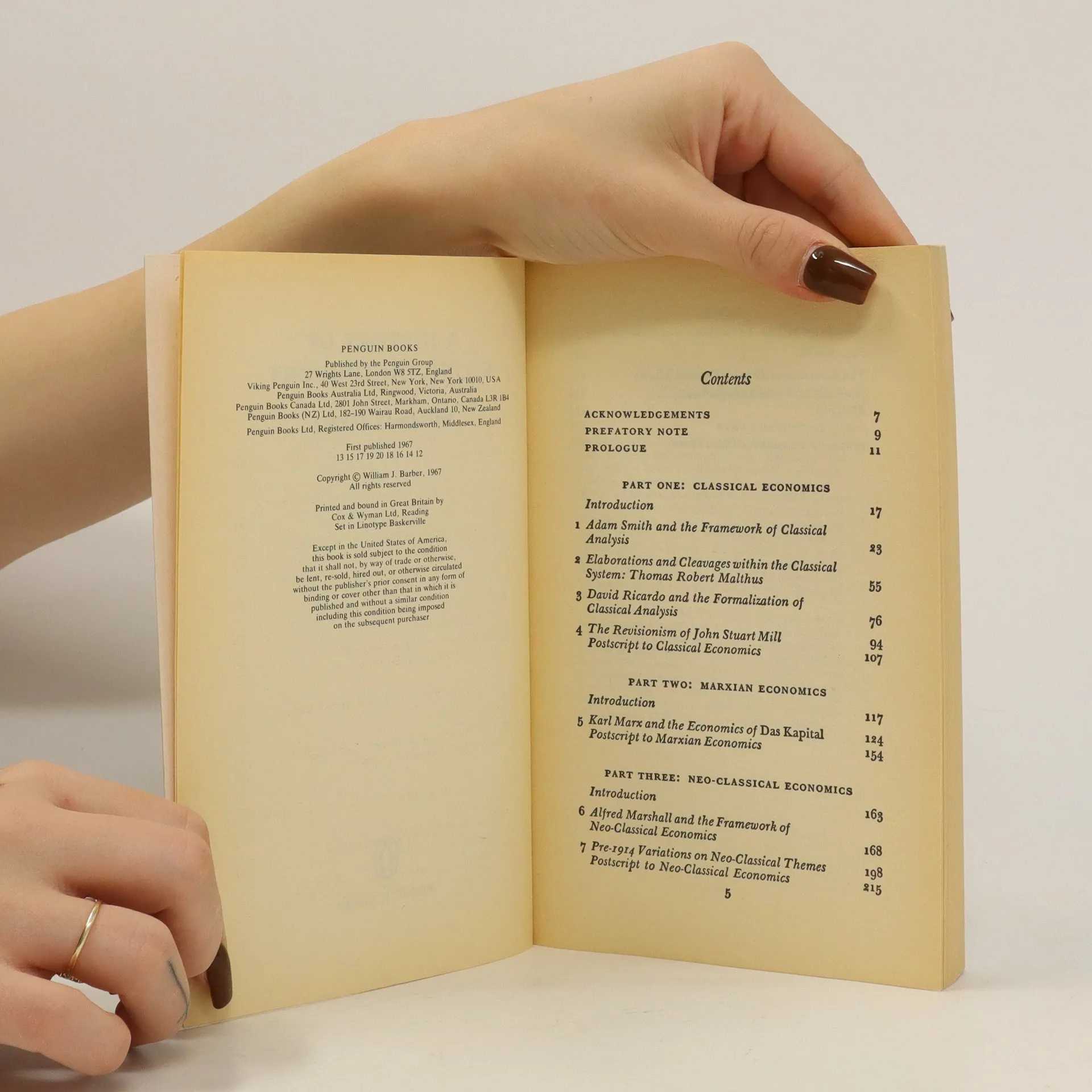
Study of the grand ideas in economics has a perpetual intellectual fascination in it's own right. It can also have practical relevance, as the global economic downturn that began in 2007 reminds us. For several decades, the economics establishment had been dismissive of Keynesianism, arguing that the world had moved beyond the "depression economics" with which it dealt. Keynesian economics, however, has now staged a comeback as governments attempt to formulate policy responses to the Great Recession of the first decade of the twenty-first century. Many of the issues that faced economists in the past are still with us. The theories and methods of such men as Adam Smith, T. R. Malthus, David Ricardo, J.S. Mill, Karl Marx, Alfred Marshall, and J. M. Keynes are often relevant to us today--and we can always learn from their mistakes. In his stimulating analysis Professor Barber assesses the thought of a number of important economists both in terms of the issues of their day and in relation to modern economic thought. By concentrating on the greatest exponents he highlights the central properties of the four main schools of economic thought - classical, Marxian, neo-classical, and Keynesian - and shows that although each of these traditions is rooted in a different stage of economic development, they can all provide insights into the recurring problems of modern economics.


Zakup książki
A History of Economic Thought, William J. Barber
- Język

- Rok wydania
- 1967
- Oprawa
- (miękka)
Metody płatności
Brakuje nam tutaj Twojej recenzji.
- Tytuł
- A History of Economic Thought
- Język
- angielski
- Autorzy
- William J. Barber
- Wydawca
- Penguin
- Rok wydania
- 1967
- Oprawa
- miękka
- ISBN10
- 0140208909
- ISBN13
- 9780140208900
- Seria
- Kategorie
- Ocena
- 3,65 z 5
- Opis
- Study of the grand ideas in economics has a perpetual intellectual fascination in it's own right. It can also have practical relevance, as the global economic downturn that began in 2007 reminds us. For several decades, the economics establishment had been dismissive of Keynesianism, arguing that the world had moved beyond the "depression economics" with which it dealt. Keynesian economics, however, has now staged a comeback as governments attempt to formulate policy responses to the Great Recession of the first decade of the twenty-first century. Many of the issues that faced economists in the past are still with us. The theories and methods of such men as Adam Smith, T. R. Malthus, David Ricardo, J.S. Mill, Karl Marx, Alfred Marshall, and J. M. Keynes are often relevant to us today--and we can always learn from their mistakes. In his stimulating analysis Professor Barber assesses the thought of a number of important economists both in terms of the issues of their day and in relation to modern economic thought. By concentrating on the greatest exponents he highlights the central properties of the four main schools of economic thought - classical, Marxian, neo-classical, and Keynesian - and shows that although each of these traditions is rooted in a different stage of economic development, they can all provide insights into the recurring problems of modern economics.