


Ocena książki
Więcej o książce
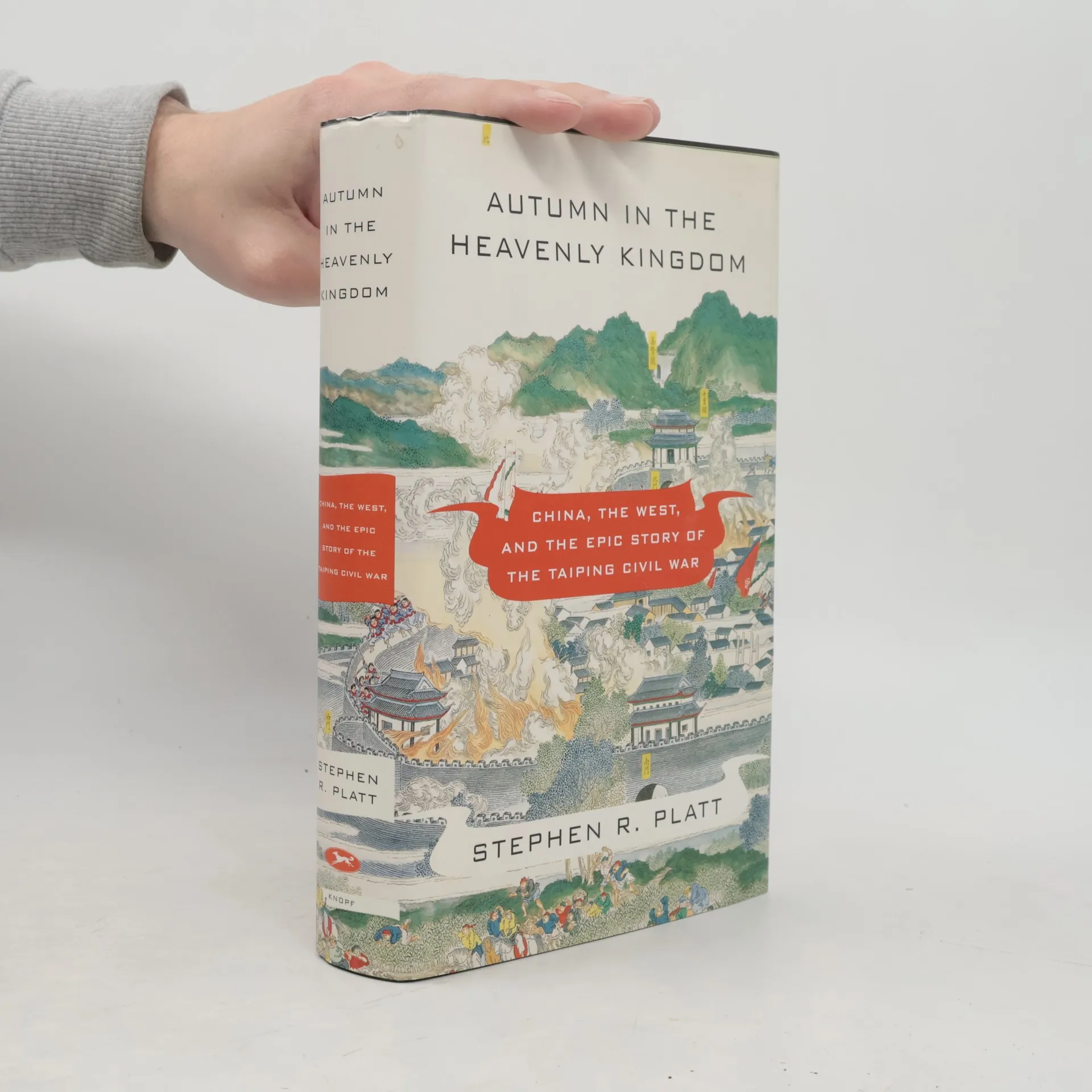
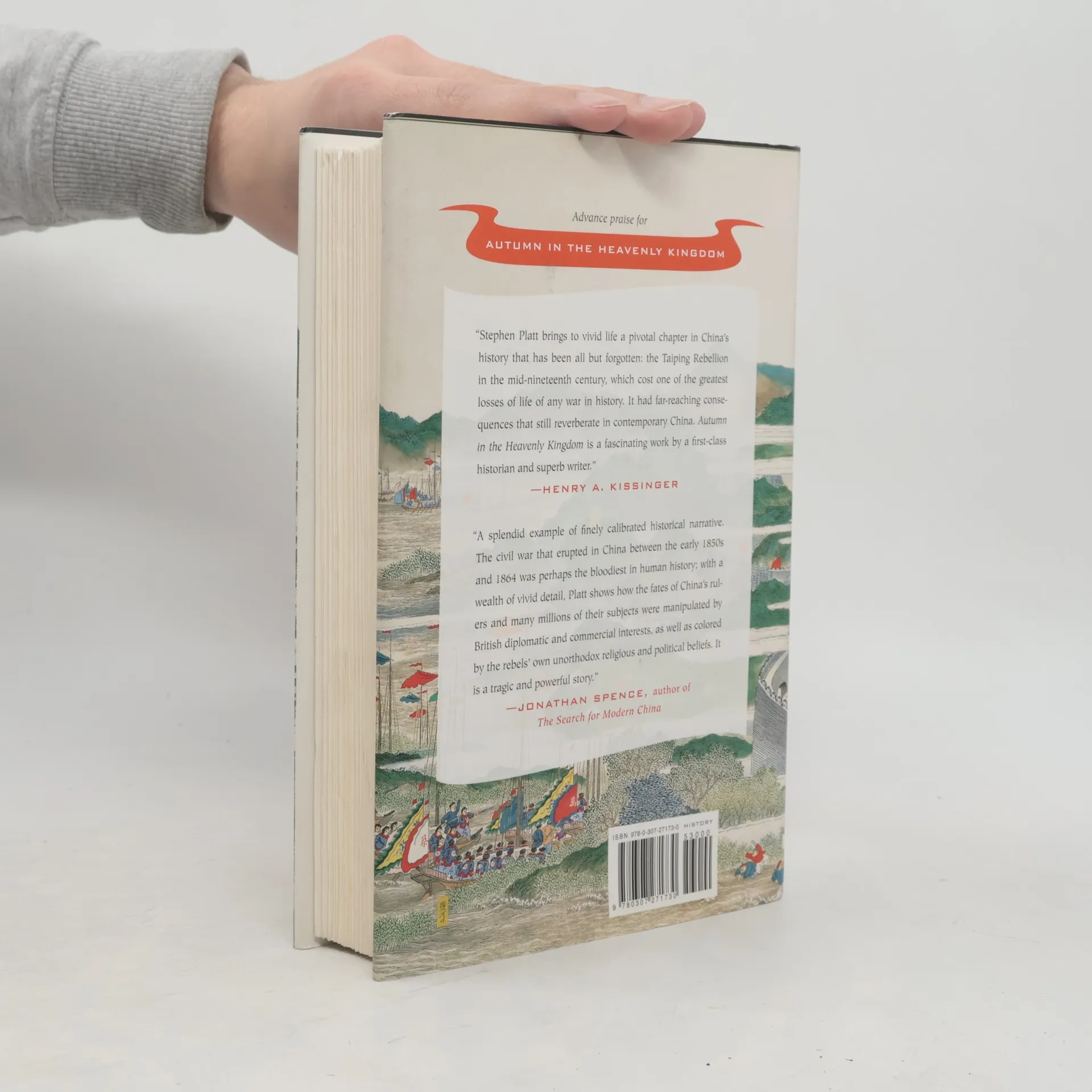
A gripping account of China’s nineteenth-century Taiping Rebellion, one of history's largest civil wars, this narrative features unforgettable characters and vivid depictions of massive, often gruesome battles. Set in the early 1850s during the Qing dynasty's decline, it chronicles a major revolution led by a failed civil servant who claimed divine heritage. The Taiping rebels, fueled by the poor and disenfranchised, ignited widespread ethnic rage against their Manchu rulers. This seemingly unstoppable movement faced intervention from Britain and the United States, which supported the Qing, ultimately quashing opposition for generations. The story unfolds through two compelling figures with contrasting visions for China's future: Zeng Guofan, a conservative Confucian scholar turned influential military strategist, and Hong Rengan, a visionary Taiping leader whose aspirations for a modern, industrial, pro-Western China ended in tragic failure. This essential history explores the rise and fall of a movement that, had it succeeded, might have altered China's trajectory into the modern world. Through spellbinding detail, the account reveals the complexities of a pivotal moment in history.



Zakup książki
Autumn in the Heavenly Kingdom, Stephen R. Platt
- Język

- Rok wydania
- 2012
- Oprawa
- (twarda)
Metody płatności
Brakuje nam tutaj Twojej recenzji.
- Tytuł
- Autumn in the Heavenly Kingdom
- Podtytuł
- China, the West, and the Epic Story of the Taiping Civil War
- Język
- angielski
- Autorzy
- Stephen R. Platt
- Wydawca
- Knopf
- Rok wydania
- 2012
- Oprawa
- twarda
- Liczba stron
- 512
- ISBN10
- 0307271730
- ISBN13
- 9780307271730
- Seria
- Kategorie
- Tagi
- Tematy historyczne, Wojny, XIX wiek, Azja, Chiny
- Ocena
- 4,3 z 5
- Opis
- A gripping account of China’s nineteenth-century Taiping Rebellion, one of history's largest civil wars, this narrative features unforgettable characters and vivid depictions of massive, often gruesome battles. Set in the early 1850s during the Qing dynasty's decline, it chronicles a major revolution led by a failed civil servant who claimed divine heritage. The Taiping rebels, fueled by the poor and disenfranchised, ignited widespread ethnic rage against their Manchu rulers. This seemingly unstoppable movement faced intervention from Britain and the United States, which supported the Qing, ultimately quashing opposition for generations. The story unfolds through two compelling figures with contrasting visions for China's future: Zeng Guofan, a conservative Confucian scholar turned influential military strategist, and Hong Rengan, a visionary Taiping leader whose aspirations for a modern, industrial, pro-Western China ended in tragic failure. This essential history explores the rise and fall of a movement that, had it succeeded, might have altered China's trajectory into the modern world. Through spellbinding detail, the account reveals the complexities of a pivotal moment in history.