


Więcej o książce
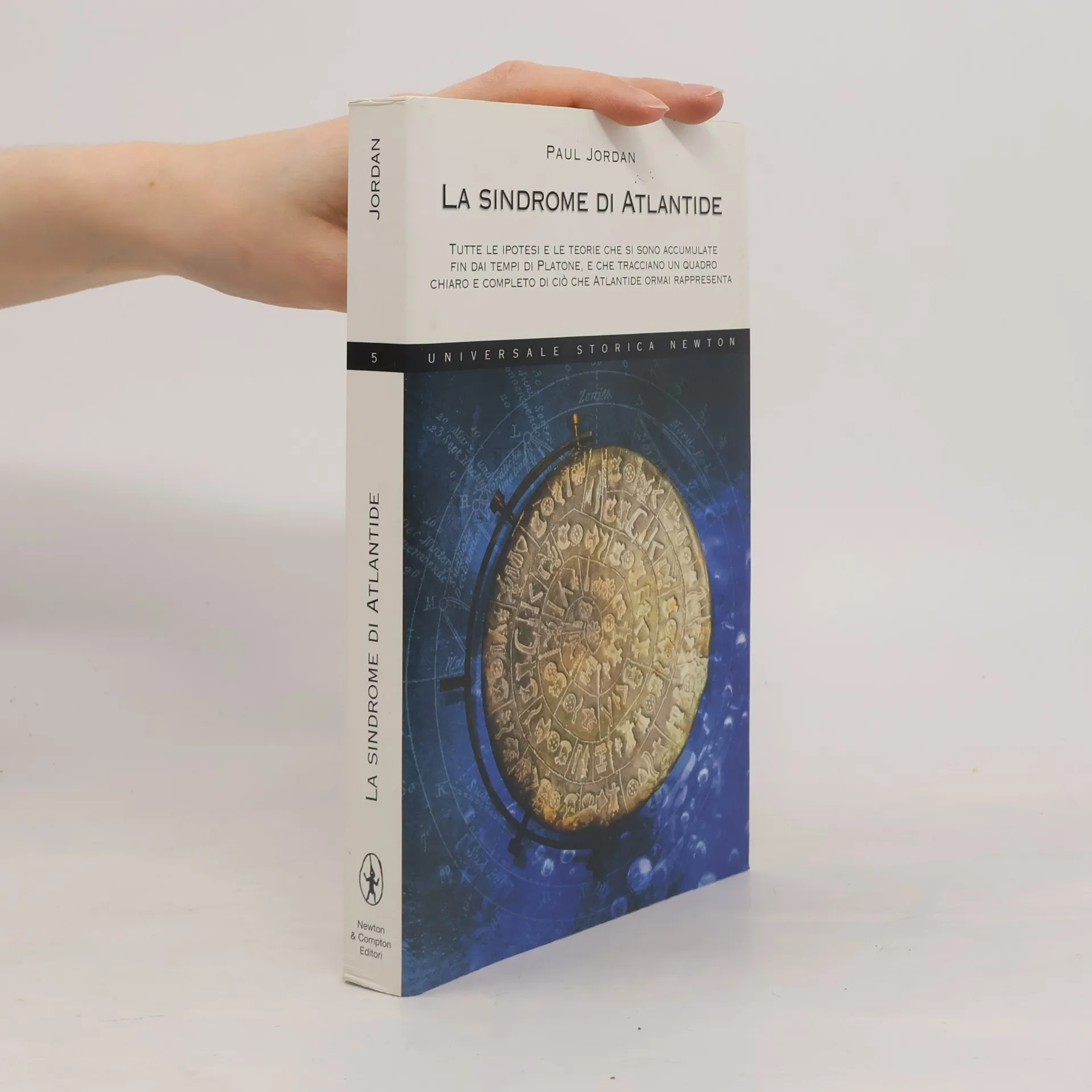
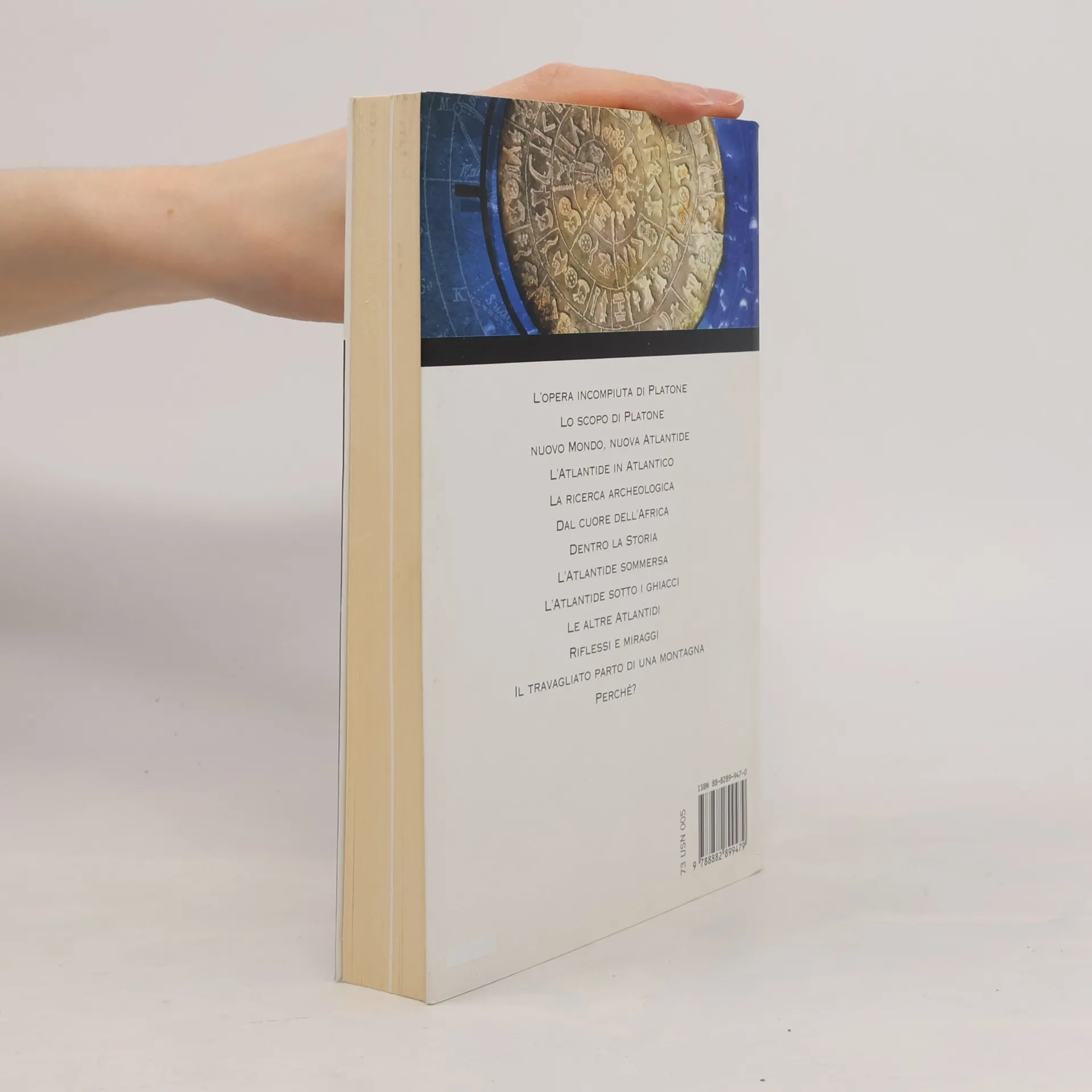
Atlantis: fact or fiction? Is it merely an invention or does it hold some truth about our distant past? Has there been a superior civilization lost to conventional archaeology, influencing the origins of cultures worldwide? In response to the surge of publications, TV programs, and websites promoting the Atlantis idea, a respected archaeological writer examines the theories of 'alternative archaeologists.' The exploration begins with Plato's references to Atlantis around 360 BC, where the tale served as a moral lesson reflecting the decline of Athens in a materialistic era. After fading from memory post-classical times, Atlantis resurfaced during the Renaissance, becoming a lens through which new discoveries, particularly in the Americas, were interpreted. The allure of the Atlantis concept has persisted, with various alternative archaeology theories revolving around a lost ancient supercivilization, whose survivors allegedly spread wisdom globally after a catastrophic event. The book critically reviews a range of notions tied to the Atlantis idea—mysterious ancient texts, lost tribes, underwater roads, and cities beneath Antarctic ice—analyzing them author by author. This examination constructs a diagnosis of the 'Atlantis Syndrome,' a set of beliefs passionately held despite the challenges posed by orthodox archaeology and science. Ultimately, it questions whether Atlantis ever existed and if the associated theories hold
Wydanie


Zakup książki
Universale Storica Newton - 5: La sindrome di Atlantide, Paul Jordan
- Język

- Rok wydania
- 2003
- Oprawa
- (miękka),
- Stan książki
- Dobry
- Cena
- 35,99 zł
Metody płatności
Brakuje nam tutaj Twojej recenzji.
- Tytuł
- Universale Storica Newton - 5: La sindrome di Atlantide
- Język
- włoski
- Autorzy
- Paul Jordan
- Wydawca
- Newton Compton editori
- Rok wydania
- 2003
- Oprawa
- miękka
- Liczba stron
- 303
- ISBN10
- 8882899470
- ISBN13
- 9788882899479
- Seria
- Kategorie
- Tagi
- Ocena
- 3 z 5
- Opis
- Atlantis: fact or fiction? Is it merely an invention or does it hold some truth about our distant past? Has there been a superior civilization lost to conventional archaeology, influencing the origins of cultures worldwide? In response to the surge of publications, TV programs, and websites promoting the Atlantis idea, a respected archaeological writer examines the theories of 'alternative archaeologists.' The exploration begins with Plato's references to Atlantis around 360 BC, where the tale served as a moral lesson reflecting the decline of Athens in a materialistic era. After fading from memory post-classical times, Atlantis resurfaced during the Renaissance, becoming a lens through which new discoveries, particularly in the Americas, were interpreted. The allure of the Atlantis concept has persisted, with various alternative archaeology theories revolving around a lost ancient supercivilization, whose survivors allegedly spread wisdom globally after a catastrophic event. The book critically reviews a range of notions tied to the Atlantis idea—mysterious ancient texts, lost tribes, underwater roads, and cities beneath Antarctic ice—analyzing them author by author. This examination constructs a diagnosis of the 'Atlantis Syndrome,' a set of beliefs passionately held despite the challenges posed by orthodox archaeology and science. Ultimately, it questions whether Atlantis ever existed and if the associated theories hold