

Parametry
Więcej o książce
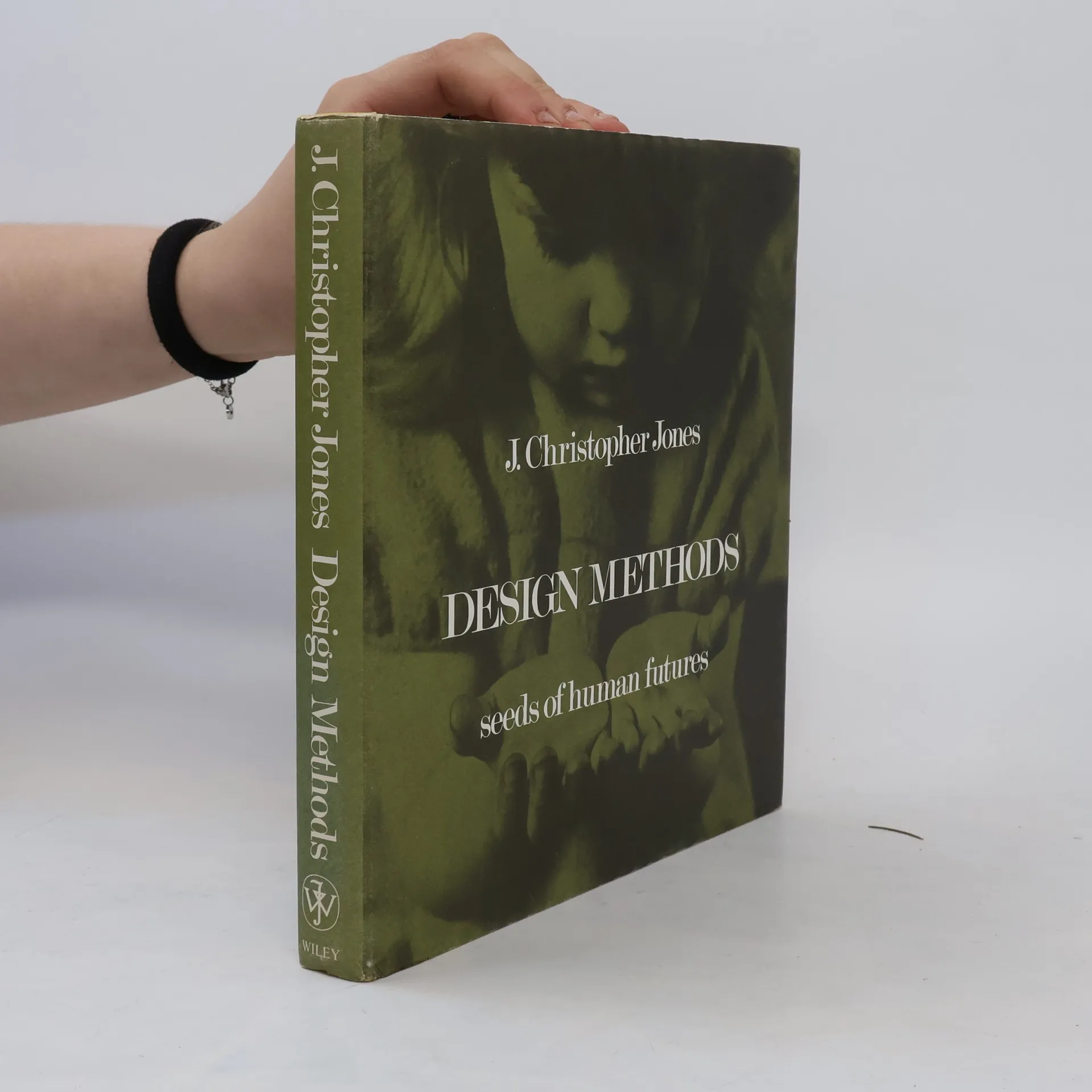
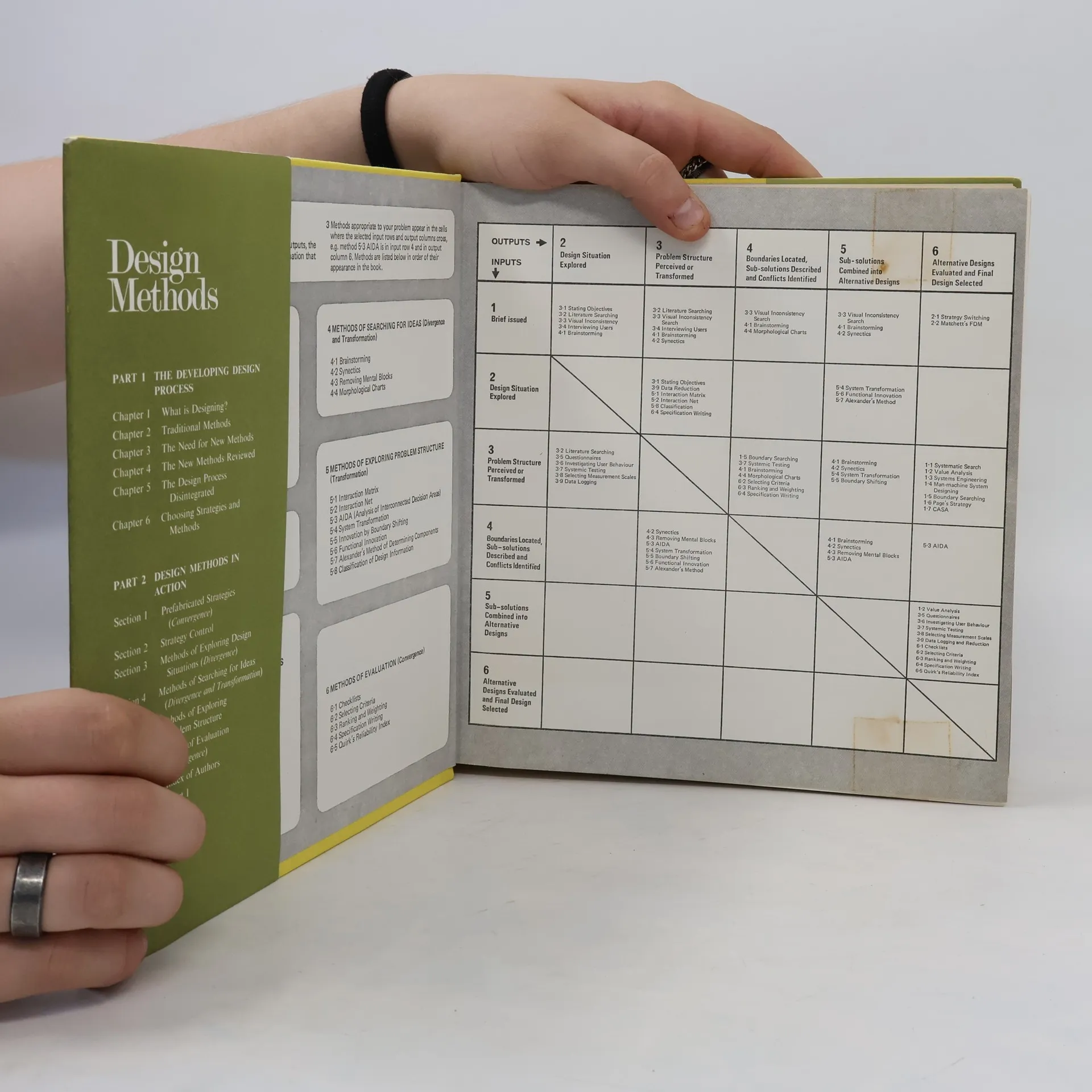
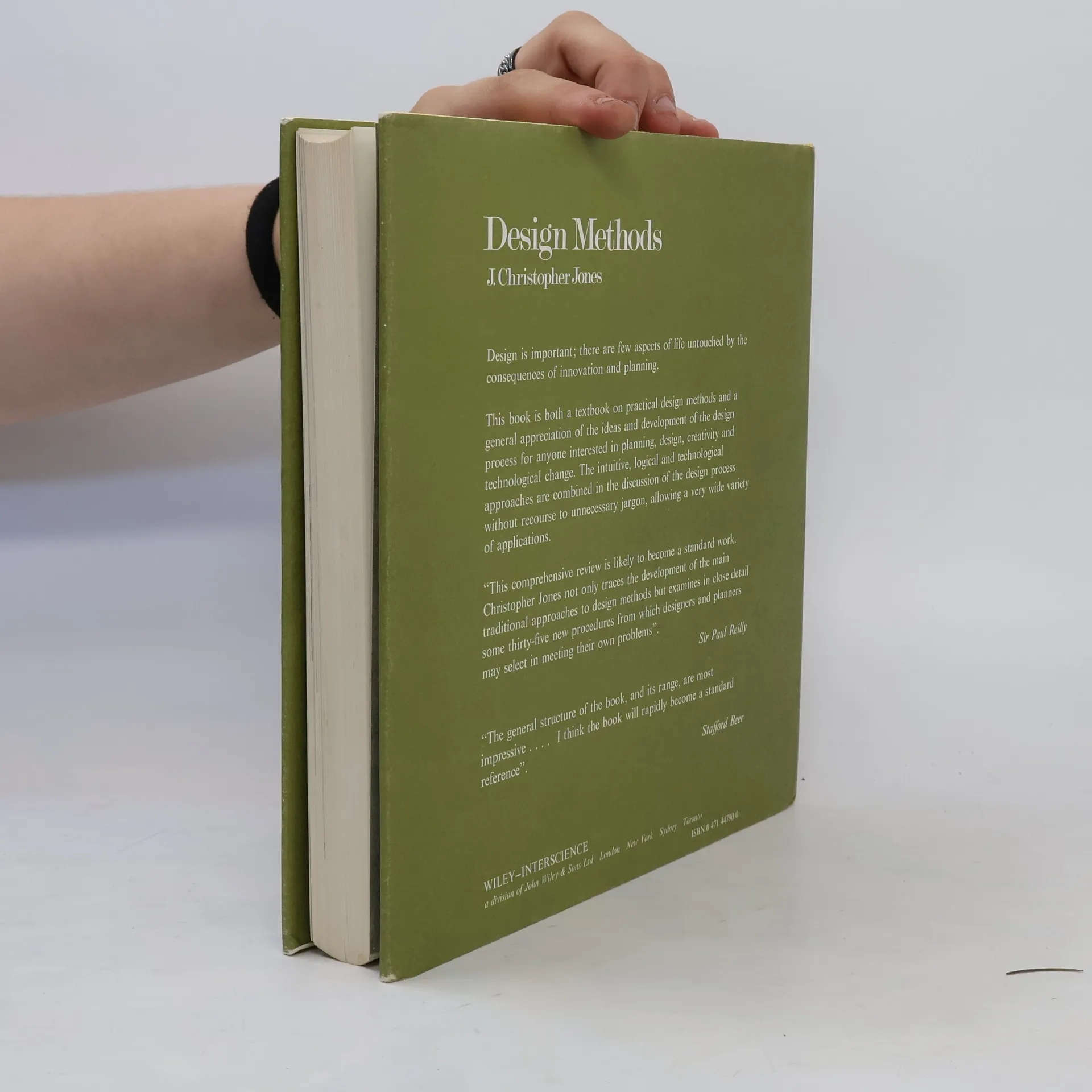
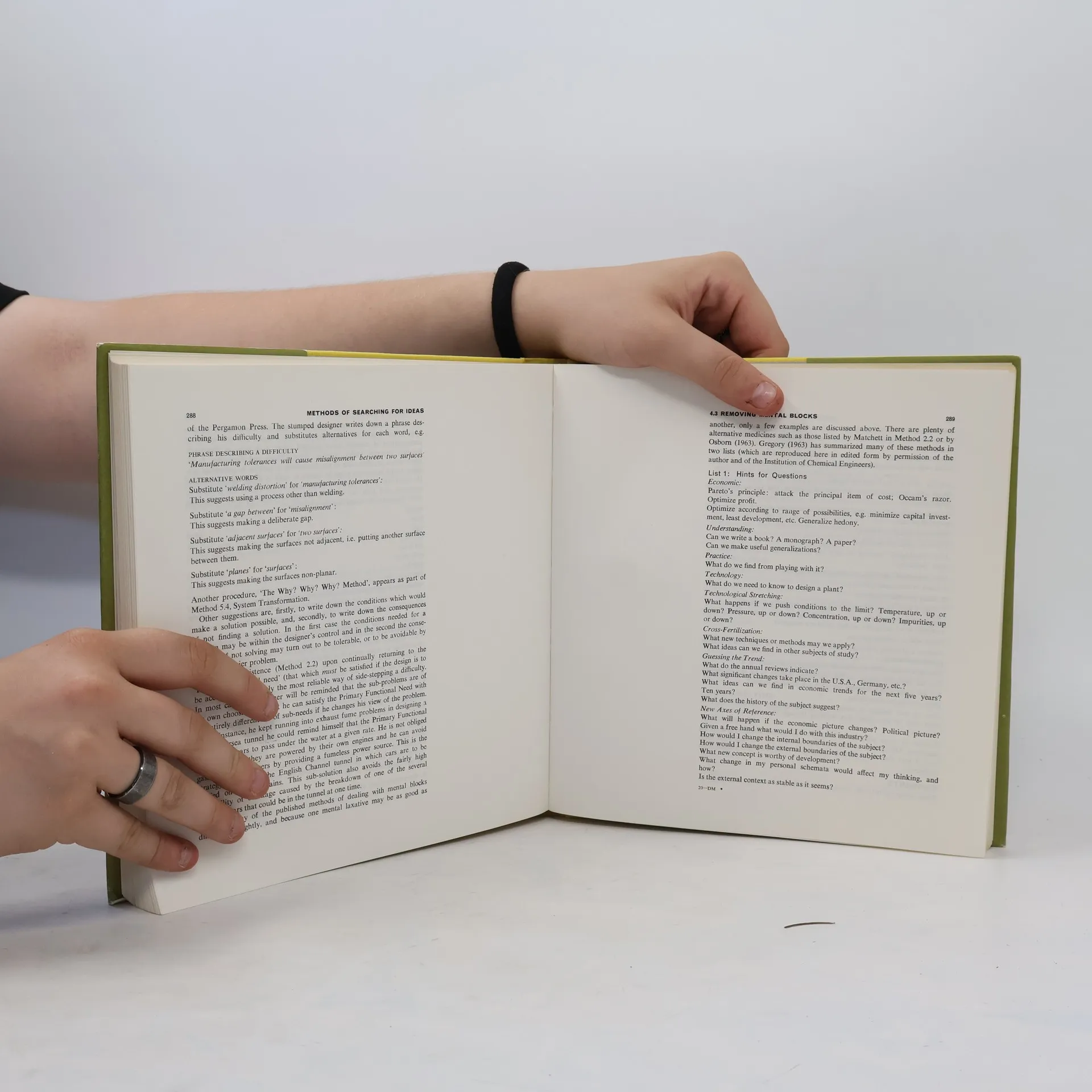
Since its initial publication in 1970, this seminal work on design methodology has garnered international acclaim and has been translated into multiple languages. The author, a pioneer of the design methods movement, critiques traditional design approaches, highlighting their inadequacy in addressing the complexities faced by modern designers. The book presents 35 innovative methods aimed at enhancing designers' sensitivity to user needs, shifting the focus from mere product creation to the thought processes that precede it. Emphasizing the integration of creative and rational skills, it encourages a broader perspective on design rather than narrow specialization. The methods are categorized for ease of use, covering logical procedures like systematic search and systems engineering, data gathering techniques such as literature searches and questionnaires, innovative approaches like brainstorming and synectics, and evaluative methods including specification writing and criteria selection. This comprehensive resource is essential for designers and educators across various fields, including engineering, architecture, planning, and graphic design, as well as for software designers and those involved in creative processes beyond traditional design. It is also pertinent to the teaching of cultural studies, technology, and creative projects.


Zakup książki
Design Methods, John Chris Jones
- Język

- Rok wydania
- 1970
- Oprawa
- (twarda)
Metody płatności
Brakuje nam tutaj Twojej recenzji.
- Tytuł
- Design Methods
- Podtytuł
- Seeds of Human Futures
- Język
- angielski
- Autorzy
- John Chris Jones
- Wydawca
- John Wiley & Sons
- Rok wydania
- 1970
- Oprawa
- twarda
- ISBN10
- 0471447900
- ISBN13
- 9780471447900
- Seria
- Tagi
- Ocena
- 3,95 z 5
- Opis
- Since its initial publication in 1970, this seminal work on design methodology has garnered international acclaim and has been translated into multiple languages. The author, a pioneer of the design methods movement, critiques traditional design approaches, highlighting their inadequacy in addressing the complexities faced by modern designers. The book presents 35 innovative methods aimed at enhancing designers' sensitivity to user needs, shifting the focus from mere product creation to the thought processes that precede it. Emphasizing the integration of creative and rational skills, it encourages a broader perspective on design rather than narrow specialization. The methods are categorized for ease of use, covering logical procedures like systematic search and systems engineering, data gathering techniques such as literature searches and questionnaires, innovative approaches like brainstorming and synectics, and evaluative methods including specification writing and criteria selection. This comprehensive resource is essential for designers and educators across various fields, including engineering, architecture, planning, and graphic design, as well as for software designers and those involved in creative processes beyond traditional design. It is also pertinent to the teaching of cultural studies, technology, and creative projects.