

Więcej o książce
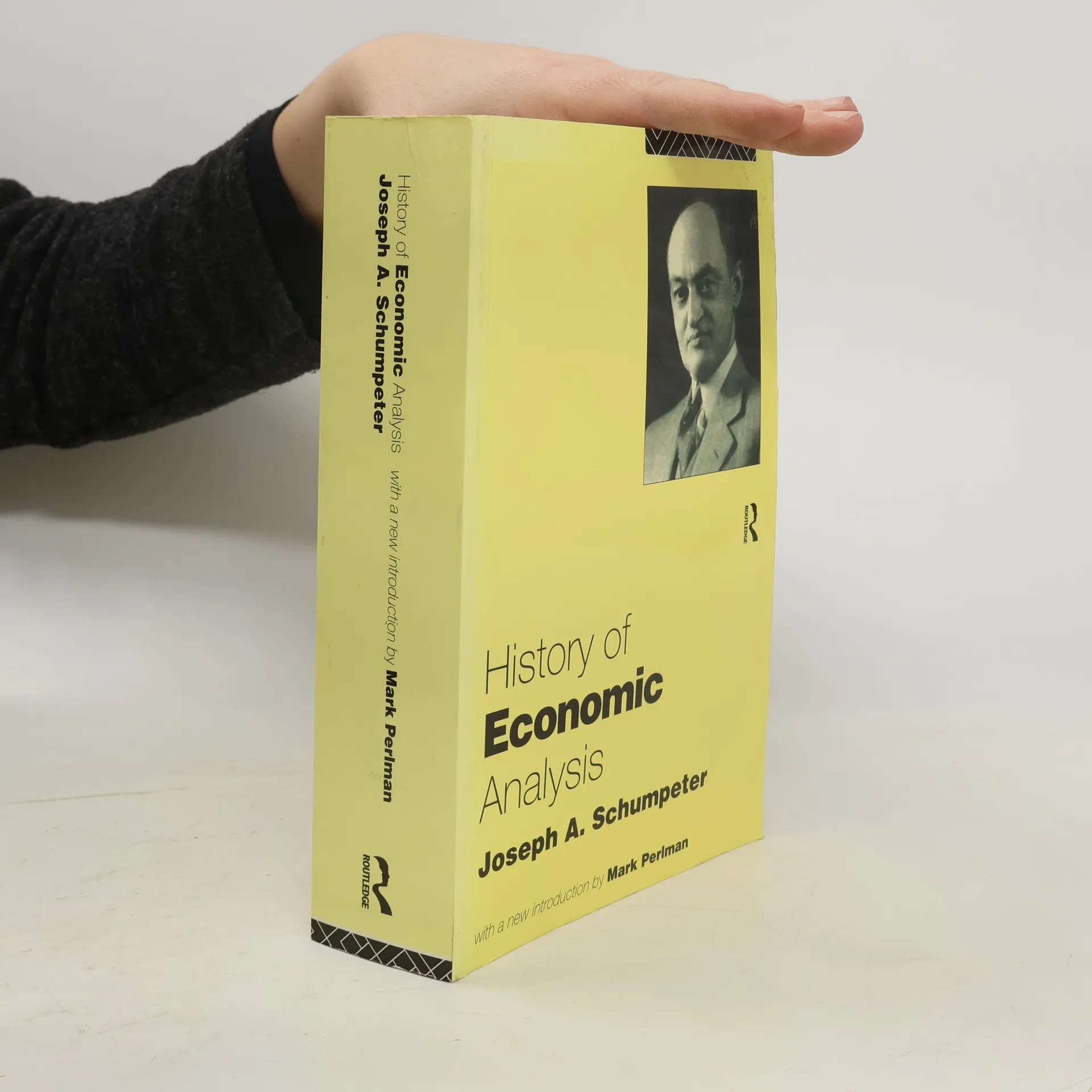
At the time of his death in 1950, Joseph Schumpeter was working on his monumantal History of Economic Analysis. Unprecedented in scope, the book was to provide a complete history of economic theory from Ancient Greece to the end of the second world war. A major contribution to the history of ideas as well as to economics, History of Economic Analysis rapidly gained a reputation as a unique and classic work. As well being an economist, Schumpeter was a gifted mathematician, historian, philosopher and psychologist and this is reflected in the multi-disciplinary nature of his great endeavour. Topics addressed include the techniques of economic analysis, contemporaneous developments in other sciences and the sociology of economics. This inclusiveness extends to the periods and individuals who figure in the book. As well as dealing with all of the major economists from Adam Smith to Maynard Keynes, the book considers the economic writings of Plato and Aristotle, of the Medieval Scholastics and of the major European economists. Throughout, Schumpeter perceived economics as a human science and this is reflected in a volume which is lucid and insightful throughout.



Zakup książki
History of Economic Analysis, Joseph A. Schumpeter
- Język

- Rok wydania
- 1994
- Oprawa
- (miękka)
Metody płatności
Brakuje nam tutaj Twojej recenzji.
- Tytuł
- History of Economic Analysis
- Język
- angielski
- Autorzy
- Joseph A. Schumpeter
- Wydawca
- Psychology Press
- Rok wydania
- 1994
- Oprawa
- miękka
- Liczba stron
- 1312
- ISBN10
- 0415108888
- ISBN13
- 9780415108881
- Seria
- Kategorie
- Ocena
- 4 z 5
- Opis
- At the time of his death in 1950, Joseph Schumpeter was working on his monumantal History of Economic Analysis. Unprecedented in scope, the book was to provide a complete history of economic theory from Ancient Greece to the end of the second world war. A major contribution to the history of ideas as well as to economics, History of Economic Analysis rapidly gained a reputation as a unique and classic work. As well being an economist, Schumpeter was a gifted mathematician, historian, philosopher and psychologist and this is reflected in the multi-disciplinary nature of his great endeavour. Topics addressed include the techniques of economic analysis, contemporaneous developments in other sciences and the sociology of economics. This inclusiveness extends to the periods and individuals who figure in the book. As well as dealing with all of the major economists from Adam Smith to Maynard Keynes, the book considers the economic writings of Plato and Aristotle, of the Medieval Scholastics and of the major European economists. Throughout, Schumpeter perceived economics as a human science and this is reflected in a volume which is lucid and insightful throughout.