

Więcej o książce
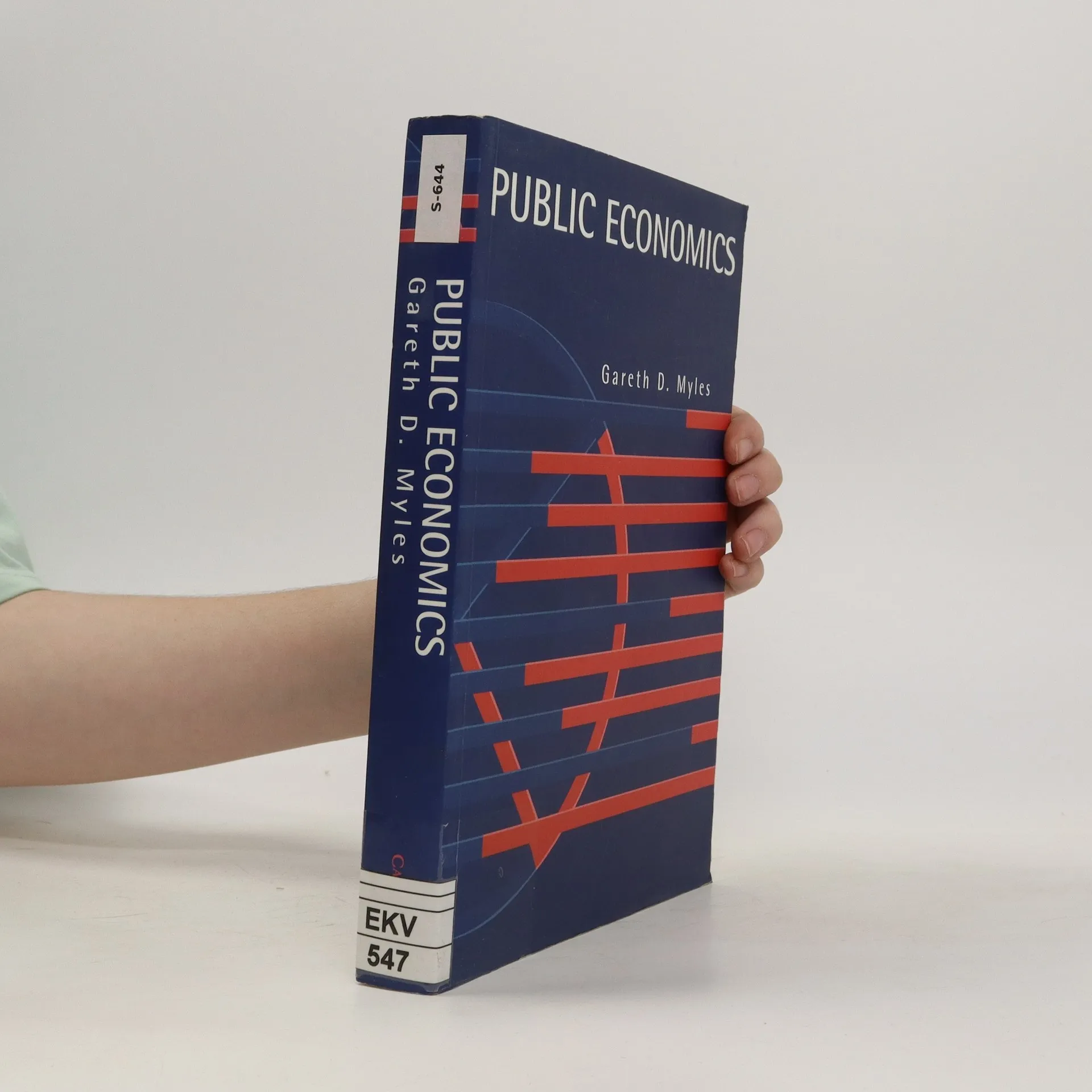
This up-to-date new textbook provides a thorough treatment of all the central topics in public economics. Aimed at senior undergraduate and graduate students, it will also be invaluable to professional economists and to those teaching in the field. The book is entirely self-contained, giving all the equilibrium theory and welfare economics needed to understand the analyses. The author covers the Arrow-Debreu economy, welfare economics and the measurement of inequality and povery which lay the foundations and emphasize the important role played by information. Within the competitive economy, he examines commodity taxation, income taxation and tax reform in a certain environment. He goes on to study the public economics of uncertainty, and then treats public goods, externalities, imperfect competition and tax evasion as departures from the standard competitive assumptions and looks at their implication for public economics derived. Finally, after treatment of the overlapping generations economy, he addresses intertemporal issues concerning social security and debts.


Zakup książki
Public Economics, Gareth D. Myles, Myles
- Język

- Rok wydania
- 1995
- Oprawa
- (miękka)
Metody płatności
Brakuje nam tutaj Twojej recenzji.
- Tytuł
- Public Economics
- Język
- angielski
- Autorzy
- Gareth D. Myles, Myles
- Wydawca
- Cambridge University Press
- Rok wydania
- 1995
- Oprawa
- miękka
- Liczba stron
- 564
- ISBN10
- 0521497698
- ISBN13
- 9780521497695
- Seria
- Tagi
- Biznes
- Ocena
- 2,25 z 5
- Opis
- This up-to-date new textbook provides a thorough treatment of all the central topics in public economics. Aimed at senior undergraduate and graduate students, it will also be invaluable to professional economists and to those teaching in the field. The book is entirely self-contained, giving all the equilibrium theory and welfare economics needed to understand the analyses. The author covers the Arrow-Debreu economy, welfare economics and the measurement of inequality and povery which lay the foundations and emphasize the important role played by information. Within the competitive economy, he examines commodity taxation, income taxation and tax reform in a certain environment. He goes on to study the public economics of uncertainty, and then treats public goods, externalities, imperfect competition and tax evasion as departures from the standard competitive assumptions and looks at their implication for public economics derived. Finally, after treatment of the overlapping generations economy, he addresses intertemporal issues concerning social security and debts.