

Więcej o książce
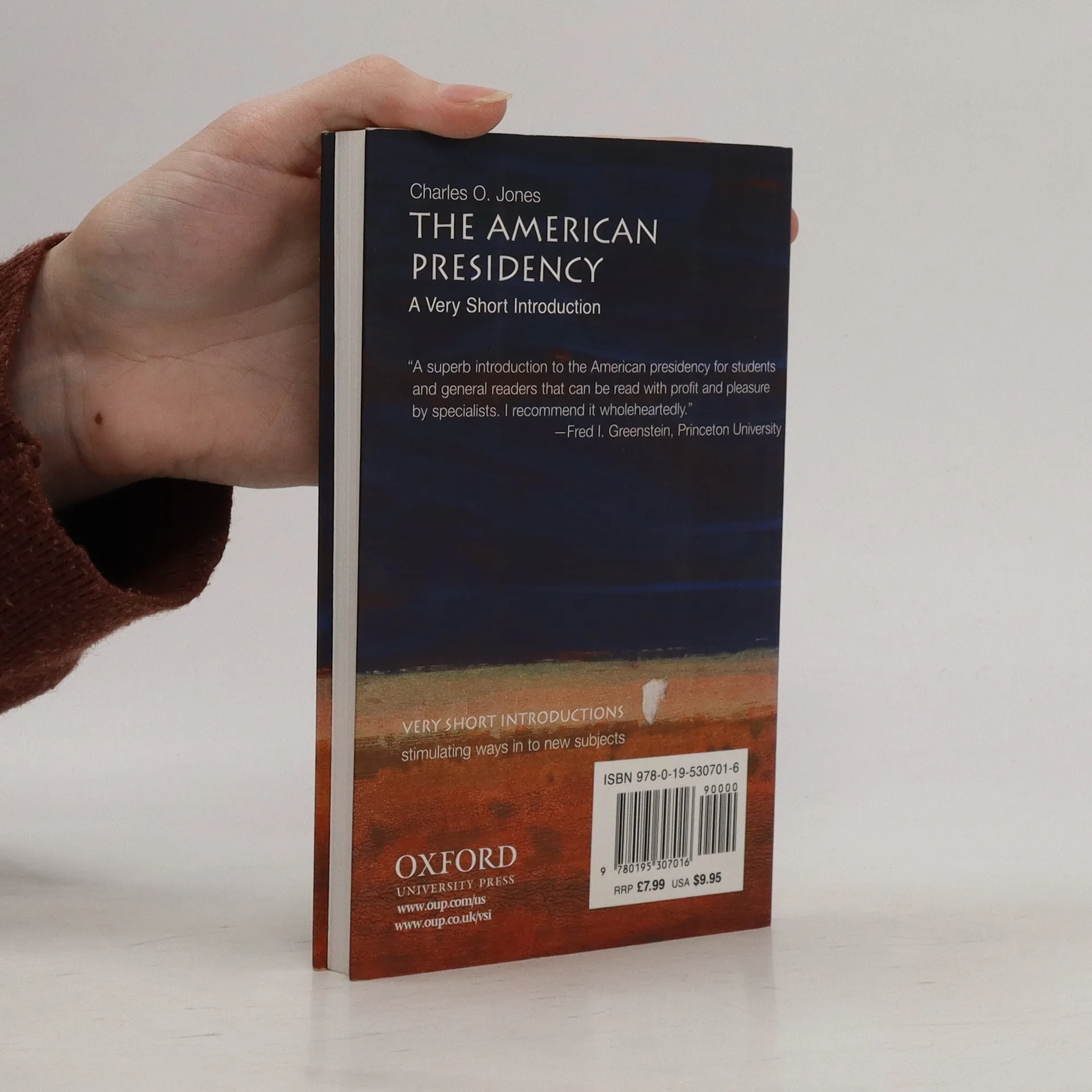
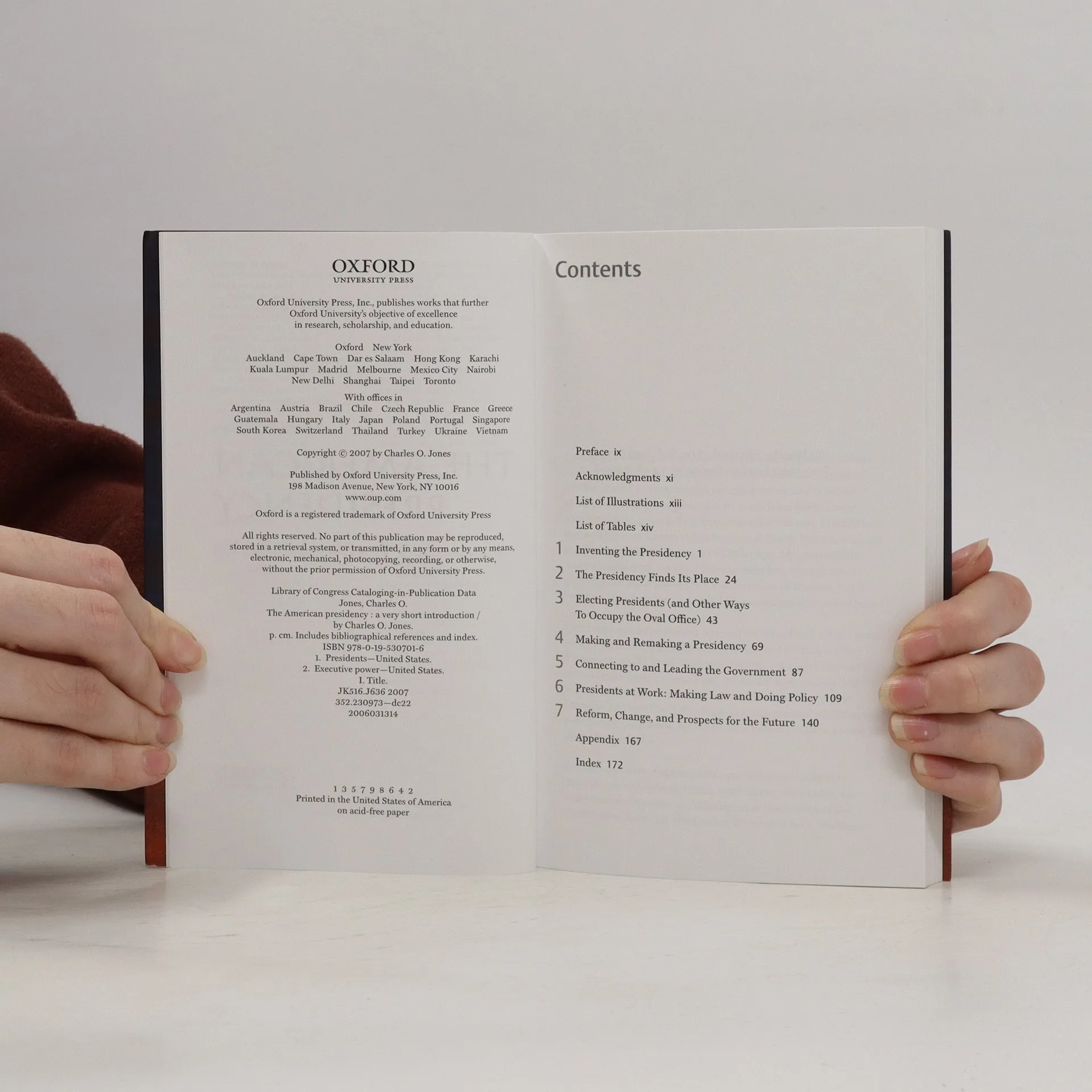
The expansion of executive powers in the war on terrorism has placed the presidency at the forefront of public debate. In this concise guide, Charles O. Jones offers essential background on the office of the chief executive. The survey reveals surprising insights, such as the Founders' choice of the term "president" to imply a light touch rather than a ruling authority. Initially, the Constitutional Convention envisioned a weak chief executive elected by Congress for a single seven-year term, which later evolved into independent elections and a clear separation of powers. Jones highlights how assertive leaders like Andrew Jackson, Theodore Roosevelt, and FDR strengthened presidential power, influenced by factors such as philosophy, historical legacies, congressional relations, and external events. He also discusses the rise of federal power and the growth of federal agencies, illustrating the president's role in this extensive bureaucracy. Additionally, he traces the evolution of the presidential selection process, from deadlocked conventions to the prominence of primaries post-World War II. Jones notes that over 200 years, the presidency has transformed from a singular figure to a complex enterprise involving many. He explores this remarkable evolution and its potential future trajectory.


Zakup książki
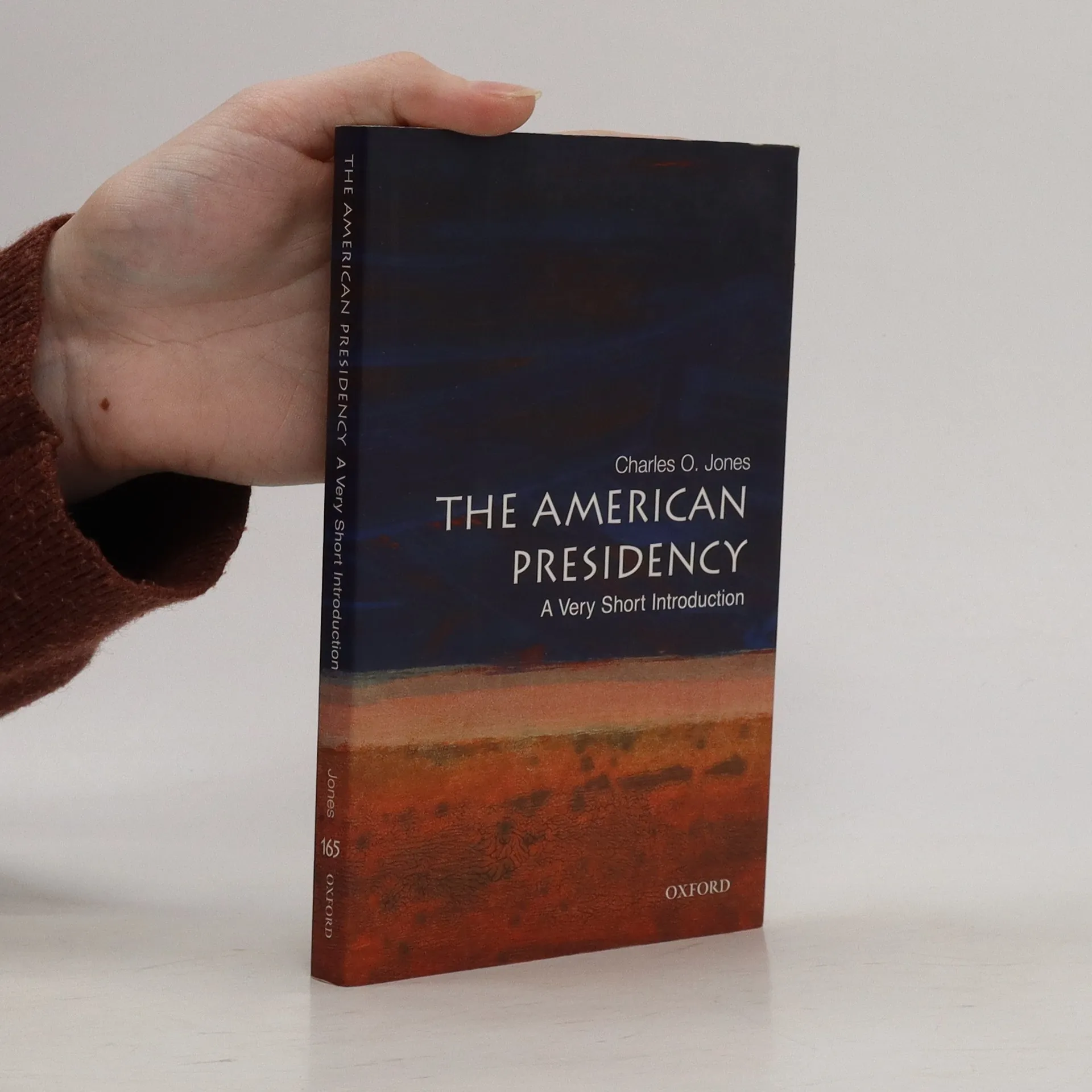
The American Presidency, Charles O. Jones
- Język

- Rok wydania
- 2007
- Oprawa
- (miękka)
Metody płatności
Brakuje nam tutaj Twojej recenzji.
- Tytuł
- The American Presidency
- Język
- angielski
- Autorzy
- Charles O. Jones
- Wydawca
- Oxford University Press
- Rok wydania
- 2007
- Oprawa
- miękka
- ISBN10
- 0195307011
- ISBN13
- 9780195307016
- Seria
- Kategorie
- Ocena
- 3,35 z 5
- Opis
- The expansion of executive powers in the war on terrorism has placed the presidency at the forefront of public debate. In this concise guide, Charles O. Jones offers essential background on the office of the chief executive. The survey reveals surprising insights, such as the Founders' choice of the term "president" to imply a light touch rather than a ruling authority. Initially, the Constitutional Convention envisioned a weak chief executive elected by Congress for a single seven-year term, which later evolved into independent elections and a clear separation of powers. Jones highlights how assertive leaders like Andrew Jackson, Theodore Roosevelt, and FDR strengthened presidential power, influenced by factors such as philosophy, historical legacies, congressional relations, and external events. He also discusses the rise of federal power and the growth of federal agencies, illustrating the president's role in this extensive bureaucracy. Additionally, he traces the evolution of the presidential selection process, from deadlocked conventions to the prominence of primaries post-World War II. Jones notes that over 200 years, the presidency has transformed from a singular figure to a complex enterprise involving many. He explores this remarkable evolution and its potential future trajectory.