



Parametry
- 906 stron
- 32 godziny czytania
Więcej o książce
More than "another biography of Bismarck," this is a political history of Germany during the crucial years between 1815 and 1871, assessing Bismarck's role in the events which the author feels paved the way for the catastrophes of the twentieth century. Most contemporary German scholars have exculpated Bismarck from all responsibility for later disasters, while his foreign critics have erred equally in their censures. Professor Pflanze seeks to measure more accurately the impact of the Junker statesman upon German historical development. Professor Pflanze provides a wide-ranging study of the interaction between the will of a political genius and the social, political, intellectual, and institutional forces with which he dealt. He analyzes Bismarck's political aims, the techniques of political strategy he employed, and the impact of both on Germany's political growth. The author views Bismarck as a conservative who employed revolutionary means to gain his ends. By stealing the cause of German nationalism from the liberals he converted it to conservative purposes. Through him the association was first established between German nationalism, Prussian militarism, and Hohenzollern authoritarianism.



Zakup książki
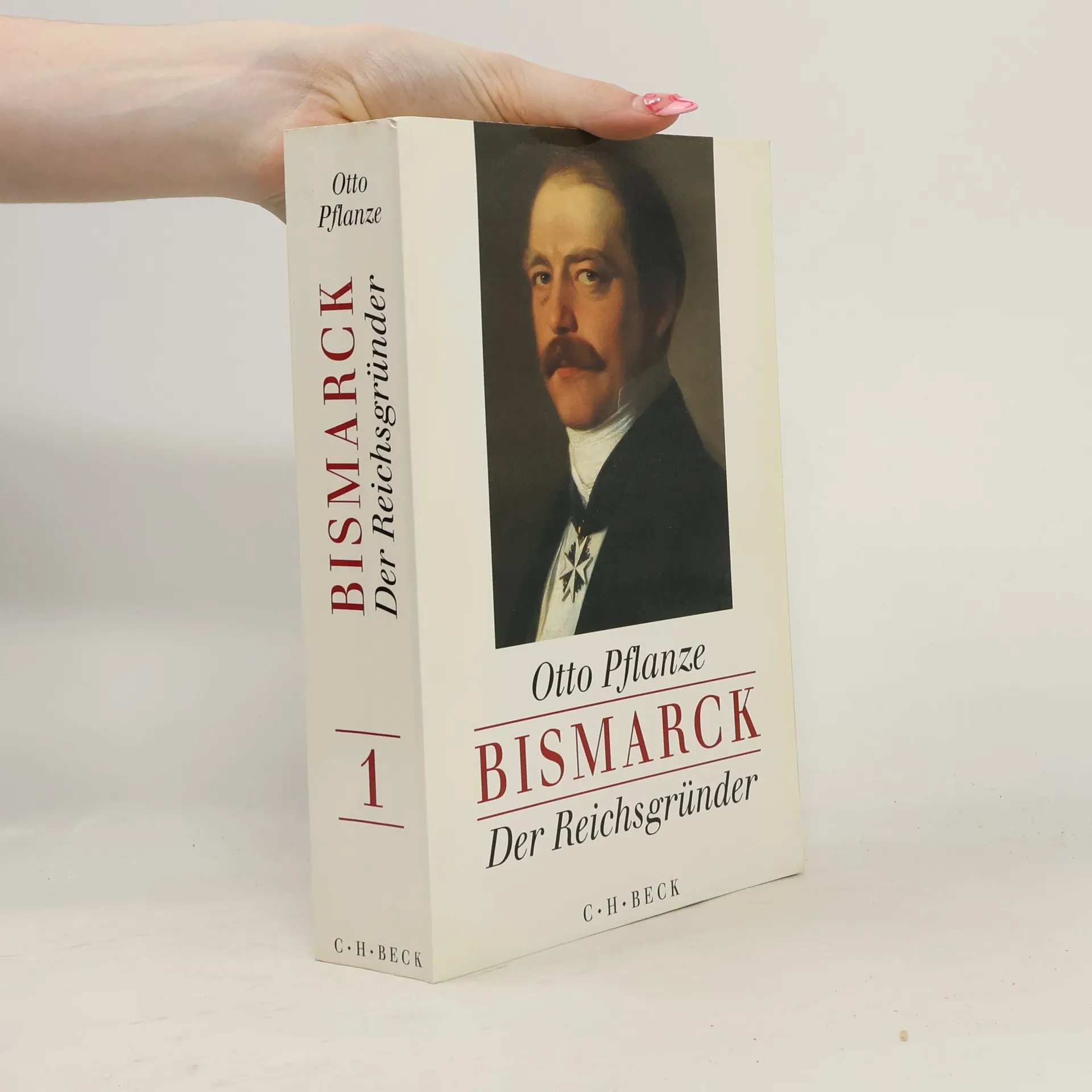
Bismarck. Der Reichsgründer, Peter Hahlbrock, Otto Pflanze
- Język

- Rok wydania
- 2001
- Oprawa
- (miękka)
Metody płatności
Brakuje nam tutaj Twojej recenzji.
- Tytuł
- Bismarck. Der Reichsgründer
- Język
- niemiecki
- Autorzy
- Peter Hahlbrock, Otto Pflanze
- Wydawca
- Beck
- Rok wydania
- 2001
- Oprawa
- miękka
- Liczba stron
- 906
- ISBN10
- 3406482066
- ISBN13
- 9783406482069
- Kategorie
- Ocena
- 3,9 z 5
- Opis
- More than "another biography of Bismarck," this is a political history of Germany during the crucial years between 1815 and 1871, assessing Bismarck's role in the events which the author feels paved the way for the catastrophes of the twentieth century. Most contemporary German scholars have exculpated Bismarck from all responsibility for later disasters, while his foreign critics have erred equally in their censures. Professor Pflanze seeks to measure more accurately the impact of the Junker statesman upon German historical development. Professor Pflanze provides a wide-ranging study of the interaction between the will of a political genius and the social, political, intellectual, and institutional forces with which he dealt. He analyzes Bismarck's political aims, the techniques of political strategy he employed, and the impact of both on Germany's political growth. The author views Bismarck as a conservative who employed revolutionary means to gain his ends. By stealing the cause of German nationalism from the liberals he converted it to conservative purposes. Through him the association was first established between German nationalism, Prussian militarism, and Hohenzollern authoritarianism.