

Parametry
- 433 strony
- 16 godzin czytania
Więcej o książce
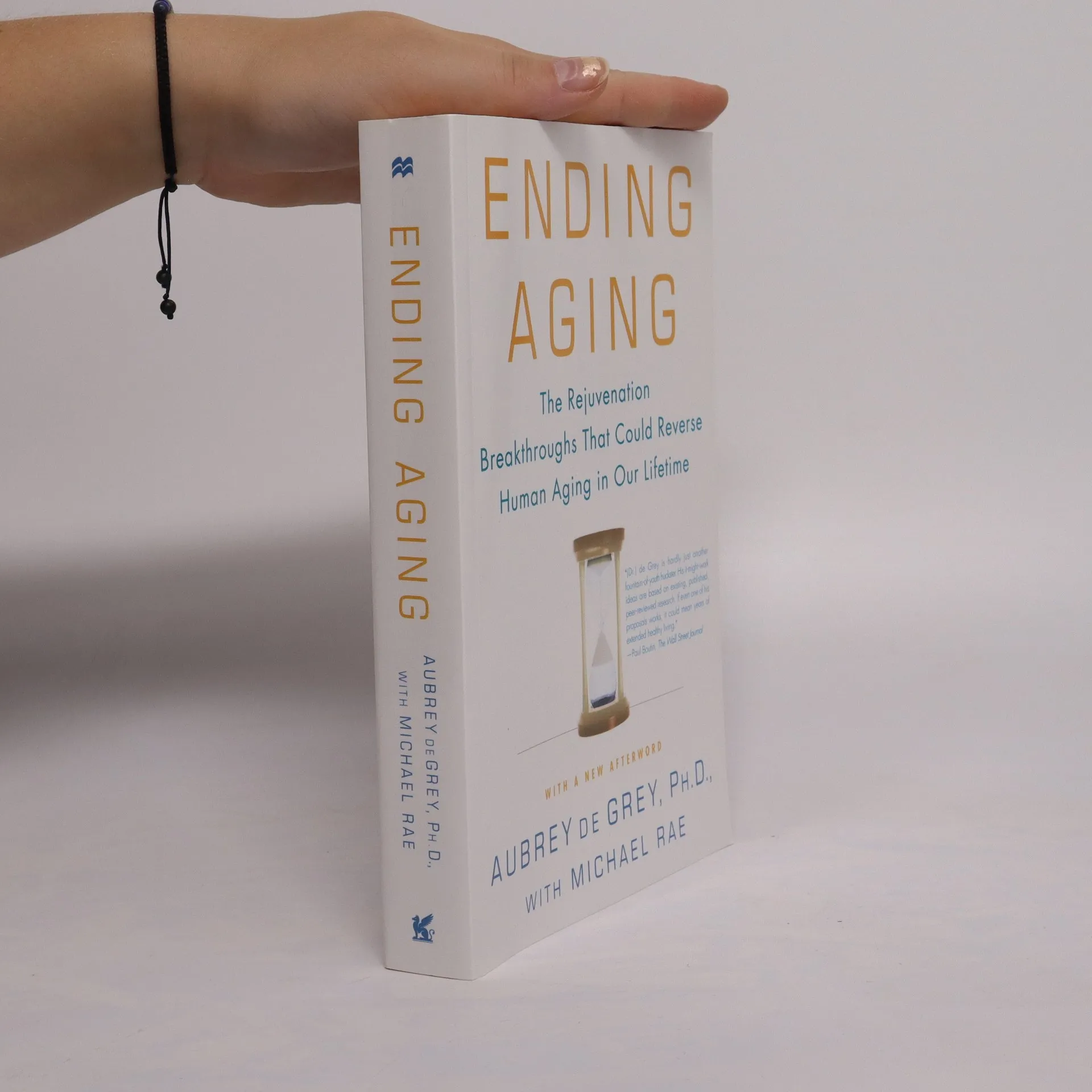
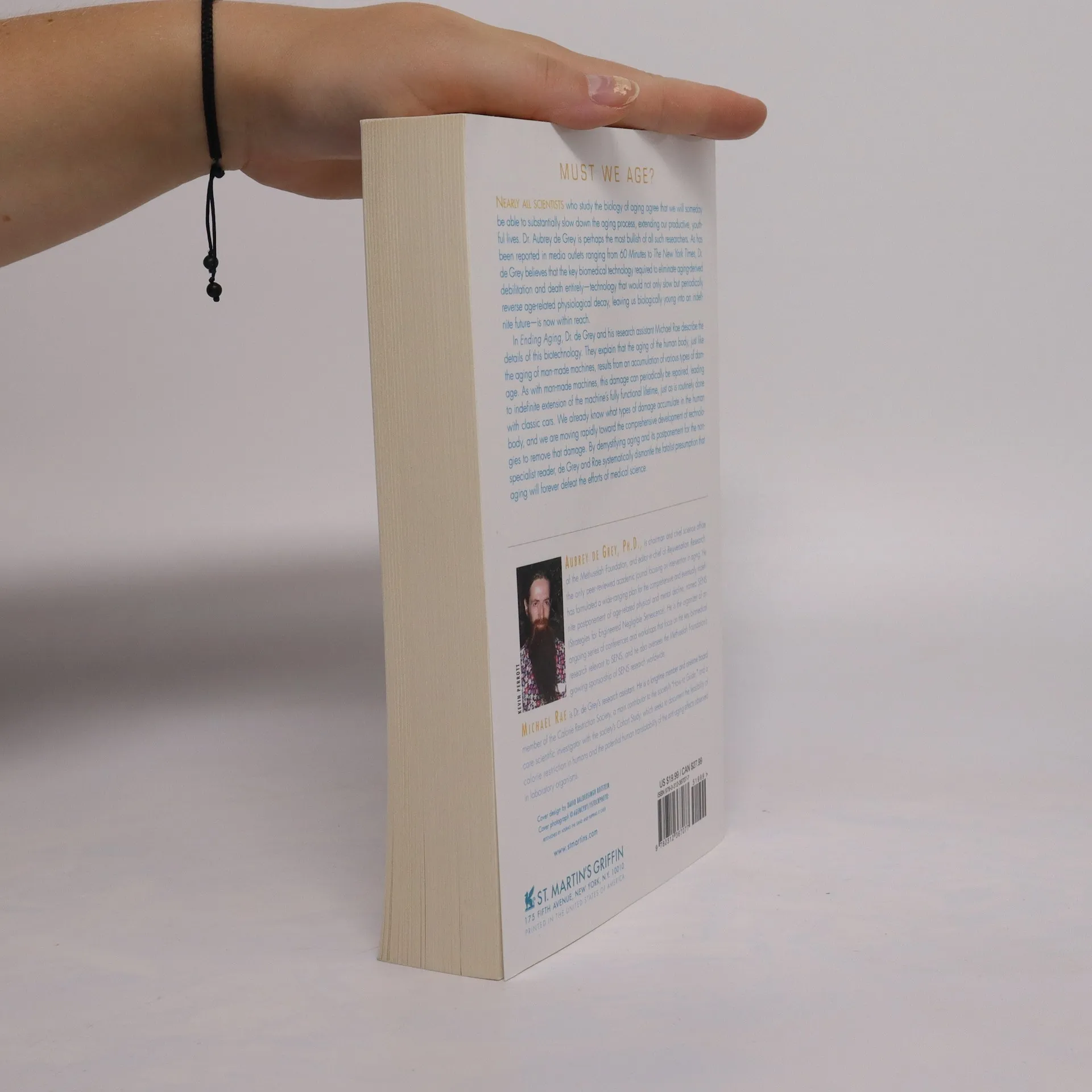
With a New Afterword Must We Age? Nearly all scientists studying the biology of aging agree that we will eventually be able to slow down the aging process, extending our productive lives. Dr. Aubrey de Grey is among the most optimistic researchers, asserting that the biomedical technology needed to eliminate aging-related decline and death is within reach. He believes this technology could not only slow aging but also periodically reverse age-related physiological decay, allowing us to remain biologically youthful indefinitely. In collaboration with research assistant Michael Rae, Dr. de Grey details this biotechnology, explaining that aging, like the wear of machines, results from accumulated damage. Just as machines can be repaired to extend their functional lifetimes, the same can be done for the human body. We are already aware of the types of damage that accumulate as we age and are rapidly advancing toward developing technologies to repair this damage. By clarifying the processes of aging and its potential postponement for general readers, de Grey and Rae challenge the fatalistic belief that aging will always outpace medical science.

Zakup książki
Ending Aging, Aubrey de Grey, Michael Rae
- Język

- Rok wydania
- 2008
- Oprawa
- (miękka)
Metody płatności
Brakuje nam tutaj Twojej recenzji.
- Tytuł
- Ending Aging
- Język
- angielski
- Autorzy
- Aubrey de Grey, Michael Rae
- Wydawca
- St. Martin's Griffin
- Rok wydania
- 2008
- Oprawa
- miękka
- Liczba stron
- 433
- ISBN10
- 0312367074
- ISBN13
- 9780312367077
- Seria
- Kategorie
- Oryginalna nazwa
- Ending aging
- Ocena
- 4,1 z 5
- Opis
- With a New Afterword Must We Age? Nearly all scientists studying the biology of aging agree that we will eventually be able to slow down the aging process, extending our productive lives. Dr. Aubrey de Grey is among the most optimistic researchers, asserting that the biomedical technology needed to eliminate aging-related decline and death is within reach. He believes this technology could not only slow aging but also periodically reverse age-related physiological decay, allowing us to remain biologically youthful indefinitely. In collaboration with research assistant Michael Rae, Dr. de Grey details this biotechnology, explaining that aging, like the wear of machines, results from accumulated damage. Just as machines can be repaired to extend their functional lifetimes, the same can be done for the human body. We are already aware of the types of damage that accumulate as we age and are rapidly advancing toward developing technologies to repair this damage. By clarifying the processes of aging and its potential postponement for general readers, de Grey and Rae challenge the fatalistic belief that aging will always outpace medical science.