


Więcej o książce
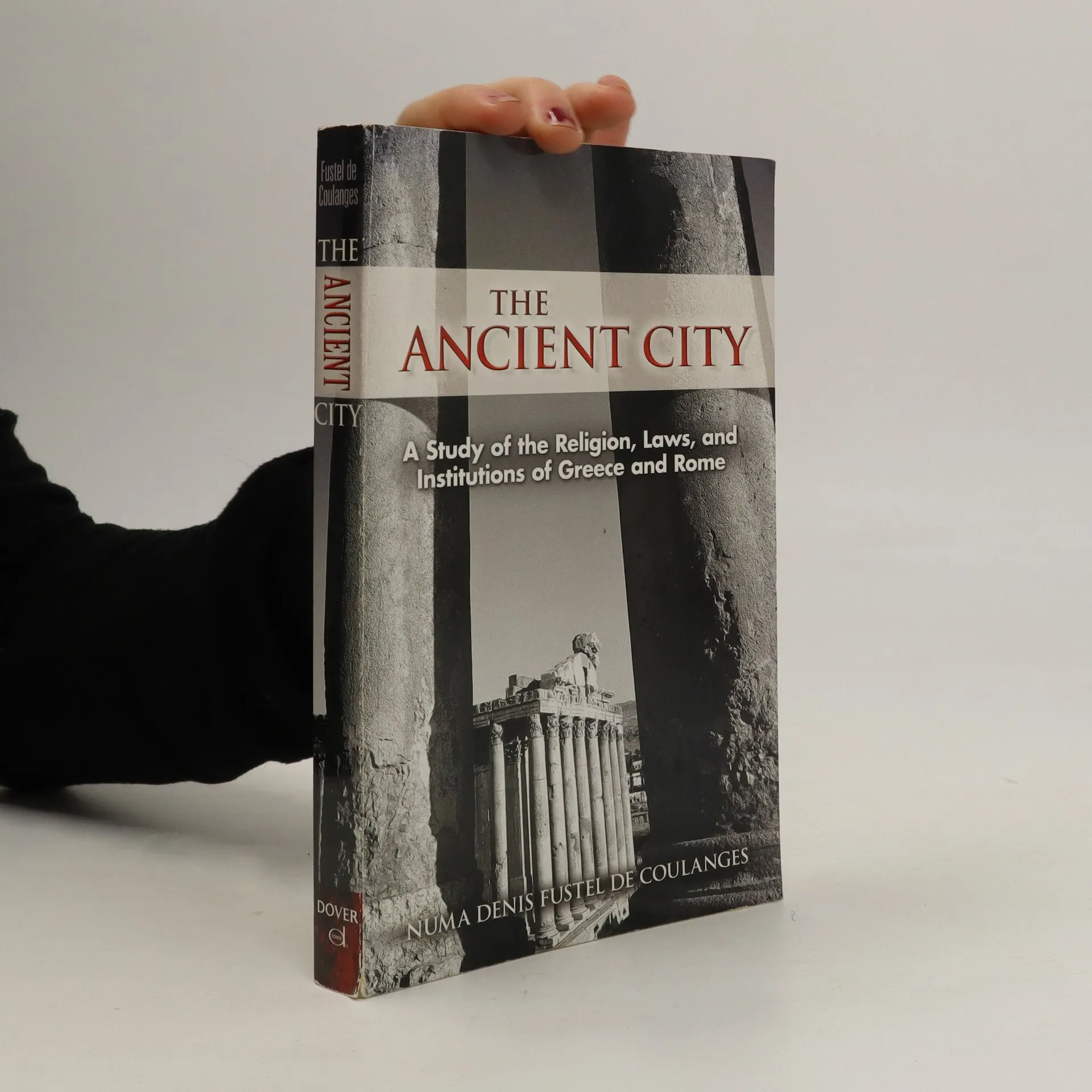
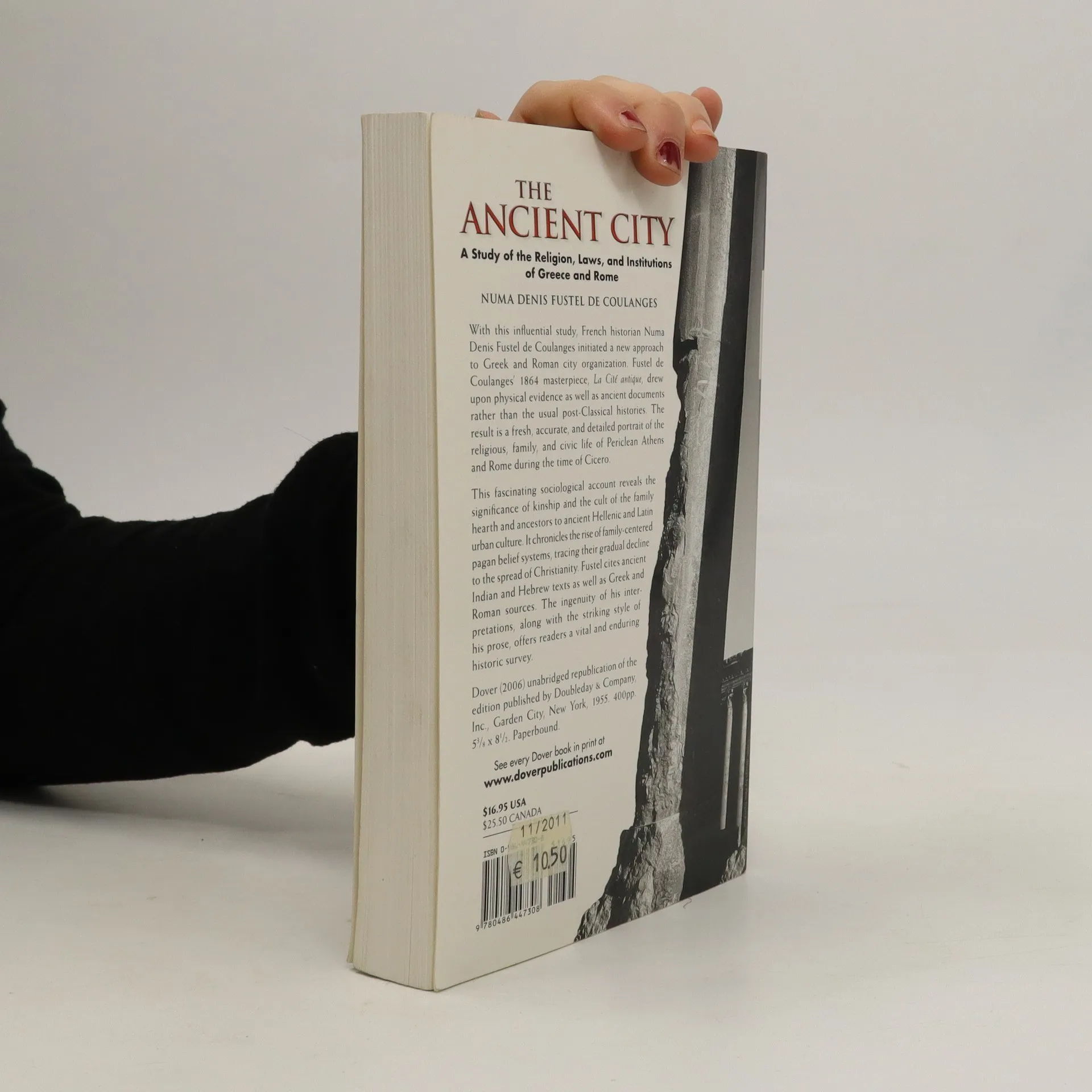
With this influential study, French historian Numa Denis Fustel de Coulanges initiated a new approach to Greek and Roman city organization. Fustel de Coulanges' 1864 masterpiece, La Cité antique, drew upon physical evidence as well as ancient documents rather than the usual post-Classical histories. The result is a fresh, accurate, and detailed portrait of the religious, family, and civic life of Periclean Athens and Rome during the time of Cicero. This fascinating sociological account reveals the significance of kinship and the cult of the family hearth and ancestors to ancient Hellenic and Latin urban culture. It chronicles the rise of family-centered pagan belief systems, tracing their gradual decline to the spread of Christianity. Fustel cites ancient Indian and Hebrew texts as well as Greek and Roman sources. The ingenuity of his interpretations, along with his striking prose style, offer readers a vital and enduring historic survey.


Zakup książki
The Ancient City, Numa Denis Fustel de Coulanges
- Język

- Rok wydania
- 2006
- Oprawa
- (miękka)
Metody płatności
Brakuje nam tutaj Twojej recenzji.
- Tytuł
- The Ancient City
- Język
- angielski
- Wydawca
- Courier Corporation
- Rok wydania
- 2006
- Oprawa
- miękka
- ISBN10
- 0486447308
- ISBN13
- 9780486447308
- Seria
- Pierwsze wydanie
- 1864
- Oryginalna nazwa
- La cité antique
- Ocena
- 4,3 z 5
- Opis
- With this influential study, French historian Numa Denis Fustel de Coulanges initiated a new approach to Greek and Roman city organization. Fustel de Coulanges' 1864 masterpiece, La Cité antique, drew upon physical evidence as well as ancient documents rather than the usual post-Classical histories. The result is a fresh, accurate, and detailed portrait of the religious, family, and civic life of Periclean Athens and Rome during the time of Cicero. This fascinating sociological account reveals the significance of kinship and the cult of the family hearth and ancestors to ancient Hellenic and Latin urban culture. It chronicles the rise of family-centered pagan belief systems, tracing their gradual decline to the spread of Christianity. Fustel cites ancient Indian and Hebrew texts as well as Greek and Roman sources. The ingenuity of his interpretations, along with his striking prose style, offer readers a vital and enduring historic survey.