

Więcej o książce
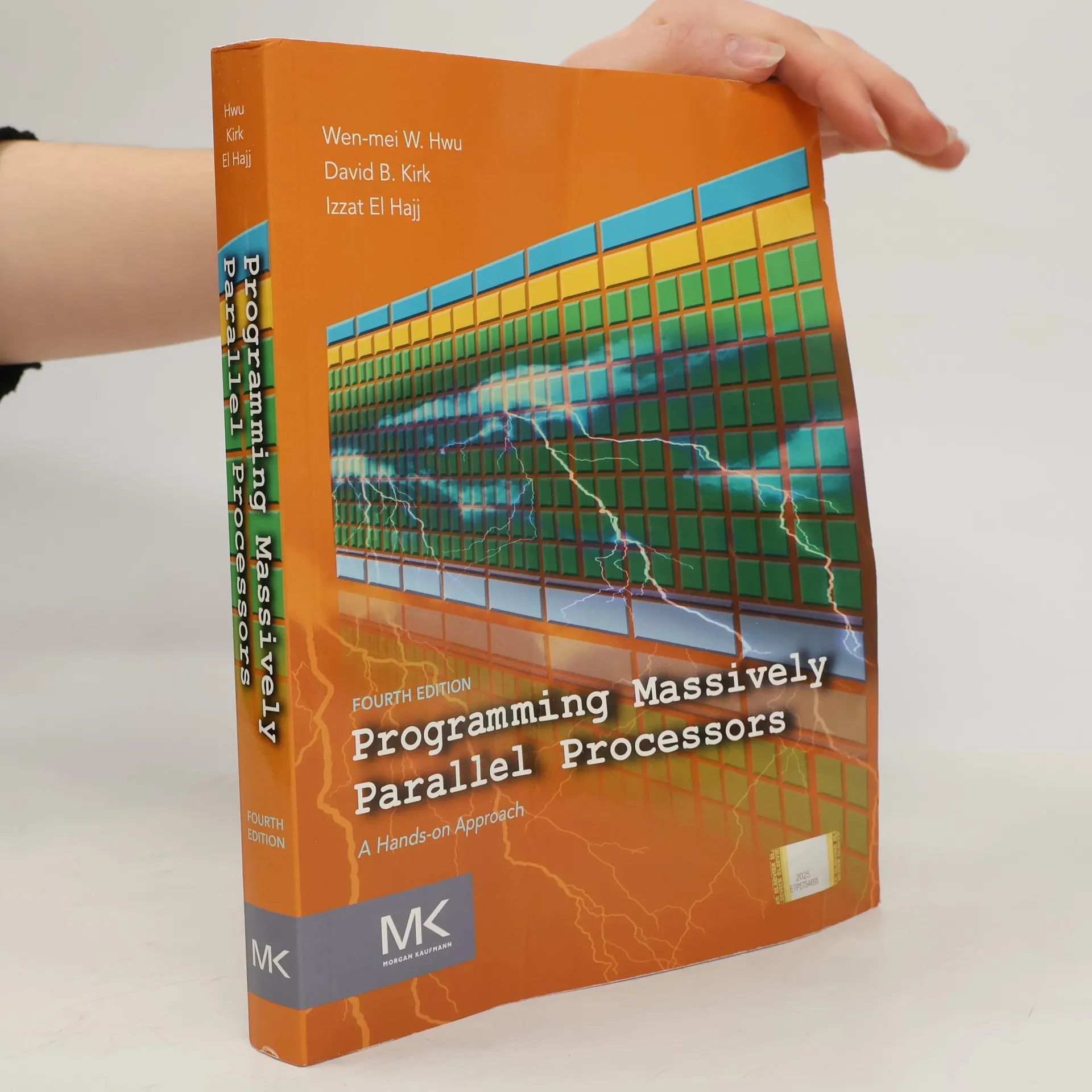
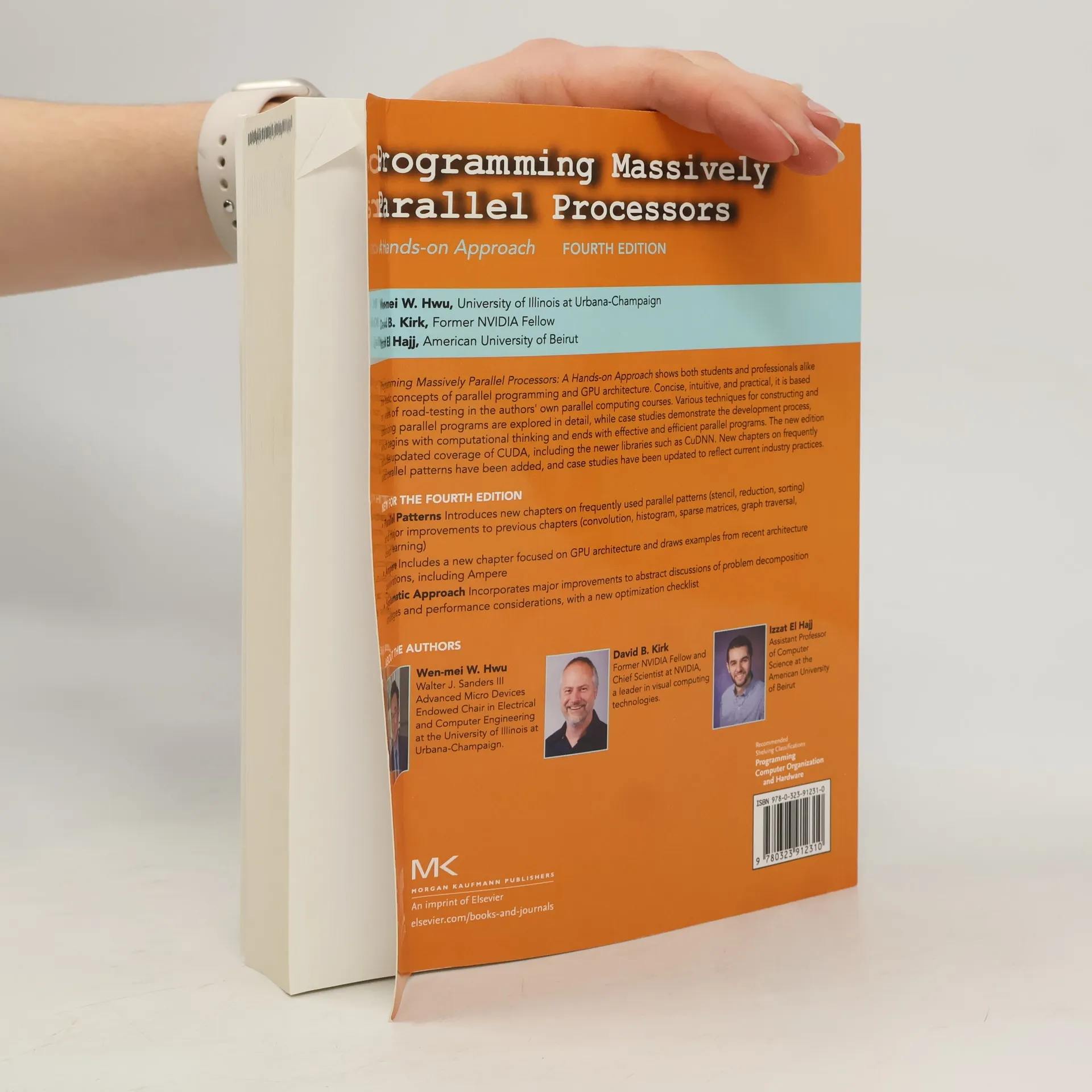
Programming Massively Parallel A Hands-on Approach shows both students and professionals alike the basic concepts of parallel programming and GPU architecture. Concise, intuitive, and practical, it is based on years of road-testing in the authors' own parallel computing courses. Various techniques for constructing and optimizing parallel programs are explored in detail, while case studies demonstrate the development process, which begins with computational thinking and ends with effective and efficient parallel programs. The new edition includes updated coverage of CUDA, including the newer libraries such as CuDNN. New chapters on frequently used parallel patterns have been added, and case studies have been updated to reflect current industry practices.



Zakup książki
Programming Massively Parallel Processors, Wen-mei W. Hwu, David B. Kirk, Izzat El Hajj
- Język

- Rok wydania
- 2022
- Oprawa
- (miękka)
Metody płatności
Brakuje nam tutaj Twojej recenzji.
- Tytuł
- Programming Massively Parallel Processors
- Podtytuł
- A Hands-on Approach - Fourth Edition
- Język
- angielski
- Autorzy
- Wen-mei W. Hwu, David B. Kirk, Izzat El Hajj
- Wydawca
- Morgan Kaufmann
- Rok wydania
- 2022
- Oprawa
- miękka
- Liczba stron
- 580
- ISBN10
- 0323912311
- ISBN13
- 9780323912310
- Seria
- Kategorie
- Tagi
- Podręczniki, Nauka, Technologia
- Ocena
- 3,75 z 5
- Opis
- Programming Massively Parallel A Hands-on Approach shows both students and professionals alike the basic concepts of parallel programming and GPU architecture. Concise, intuitive, and practical, it is based on years of road-testing in the authors' own parallel computing courses. Various techniques for constructing and optimizing parallel programs are explored in detail, while case studies demonstrate the development process, which begins with computational thinking and ends with effective and efficient parallel programs. The new edition includes updated coverage of CUDA, including the newer libraries such as CuDNN. New chapters on frequently used parallel patterns have been added, and case studies have been updated to reflect current industry practices.