


Więcej o książce
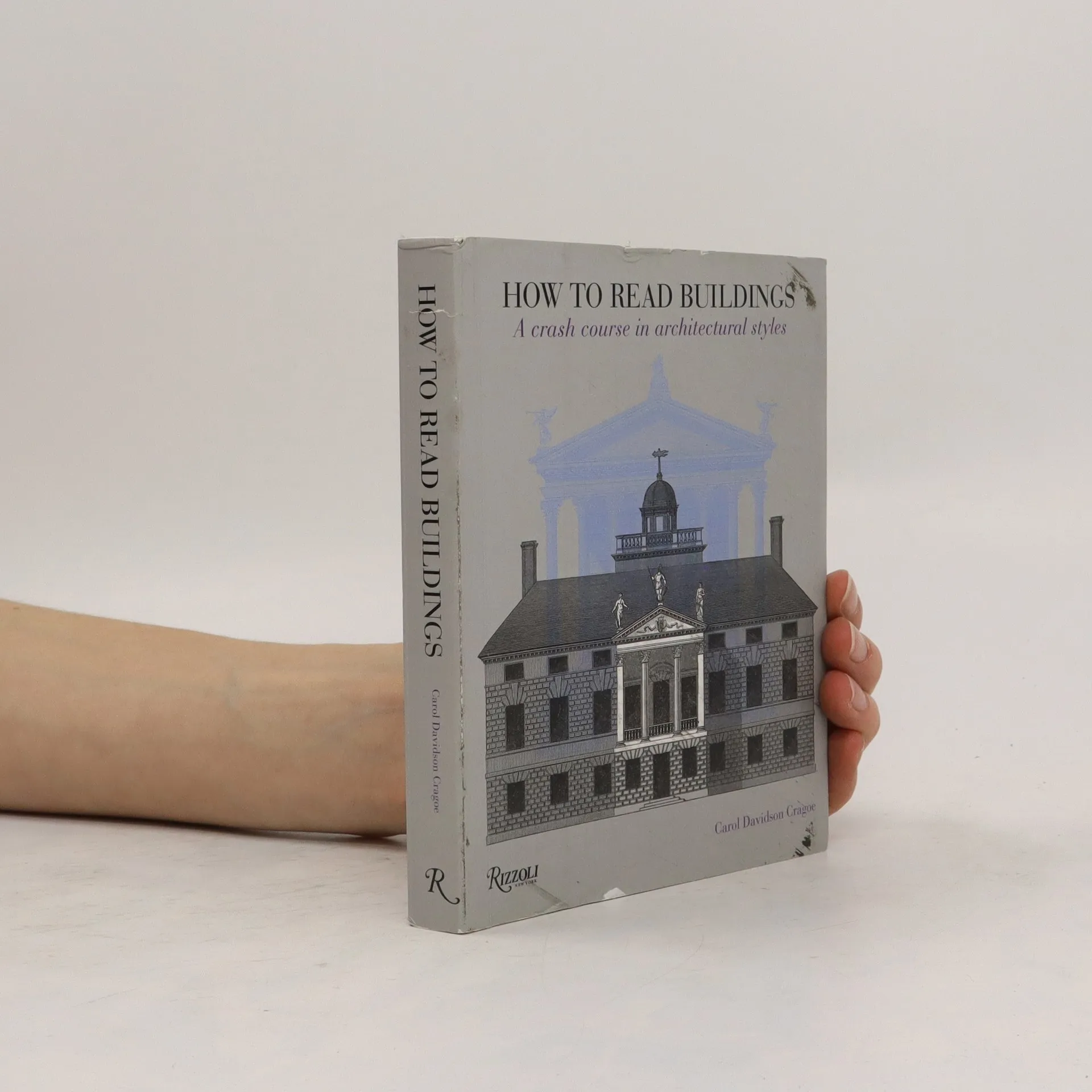
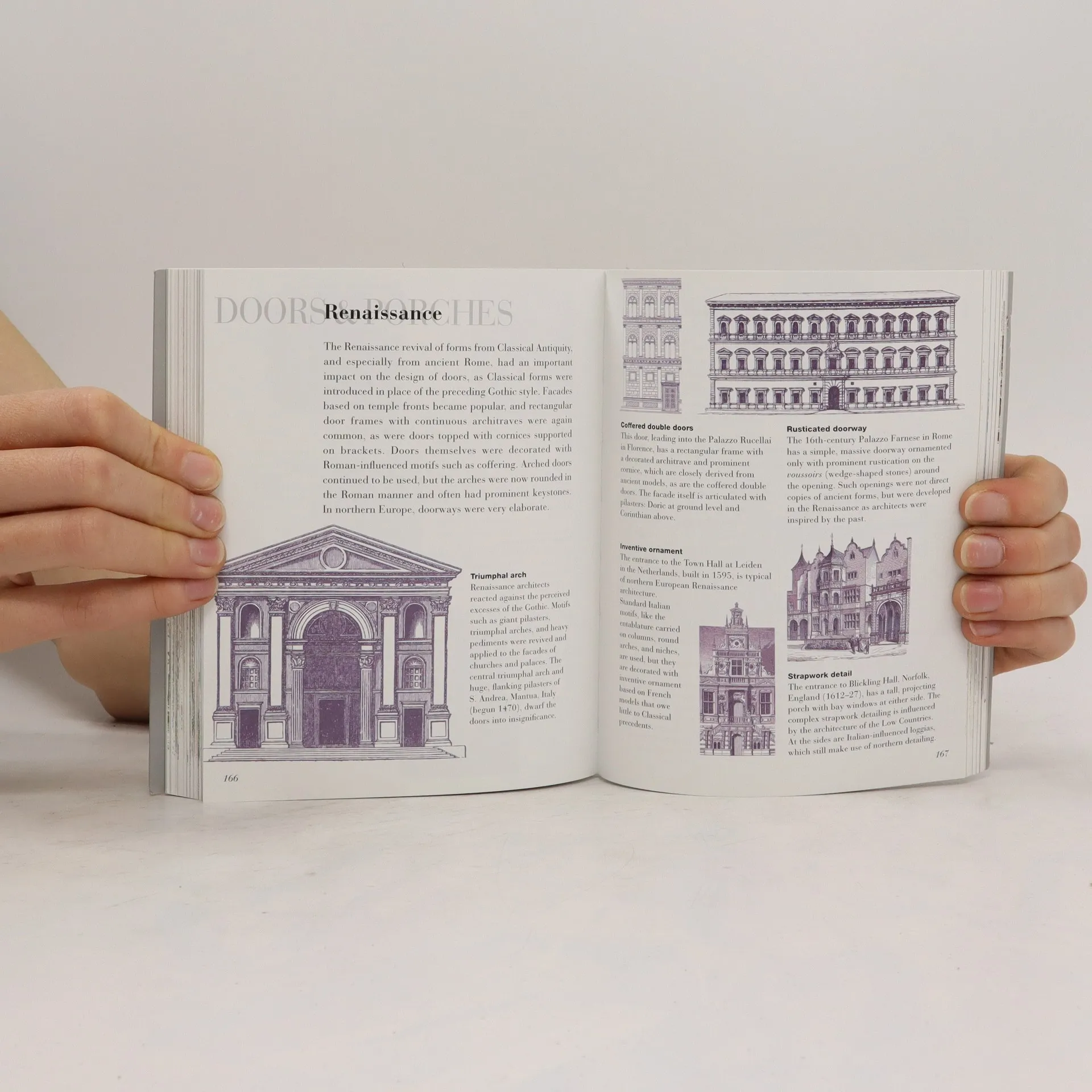
This practical primer is a handbook for decoding a building’s style, history, and evolution. Every building contains clues embedded in its design that identify not only its architectural style but also the story of who designed it, who it was built for, and why. Organized by architectural element (roofs, doors, windows, columns, domes, towers, arches, etc.), the book is roughly chronological within each section, examining the elements across history, through different architectural styles, and by geographical distribution. Additional chapters offer overviews of how architecture has been affected by geography, history, and religion, along with an illustrated timeline of architectural elements. Also included is a chapter on applied ornament and a handy introduction to naming each part of a building. All entries are accompanied by examples in the forms of period engravings, line drawings, and pictures. The extended captions make the book invaluable for anyone who has ever pondered the meaning or importance of a hipped roof, rounded doorway, or classical pediment.





Zakup książki
How to Read Buildings, Carol Davidson Cragoe
- Język

- Rok wydania
- 2008
- Oprawa
- (miękka)
Metody płatności
Brakuje nam tutaj Twojej recenzji.
- Tytuł
- How to Read Buildings
- Język
- angielski
- Autorzy
- Carol Davidson Cragoe
- Wydawca
- Rizzoli Publications
- Rok wydania
- 2008
- Oprawa
- miękka
- Liczba stron
- 256
- ISBN10
- 0847831124
- ISBN13
- 9780847831128
- Seria
- Kategorie
- Oryginalna nazwa
- How to read buildings
- Ocena
- 3,95 z 5
- Opis
- This practical primer is a handbook for decoding a building’s style, history, and evolution. Every building contains clues embedded in its design that identify not only its architectural style but also the story of who designed it, who it was built for, and why. Organized by architectural element (roofs, doors, windows, columns, domes, towers, arches, etc.), the book is roughly chronological within each section, examining the elements across history, through different architectural styles, and by geographical distribution. Additional chapters offer overviews of how architecture has been affected by geography, history, and religion, along with an illustrated timeline of architectural elements. Also included is a chapter on applied ornament and a handy introduction to naming each part of a building. All entries are accompanied by examples in the forms of period engravings, line drawings, and pictures. The extended captions make the book invaluable for anyone who has ever pondered the meaning or importance of a hipped roof, rounded doorway, or classical pediment.