

Więcej o książce
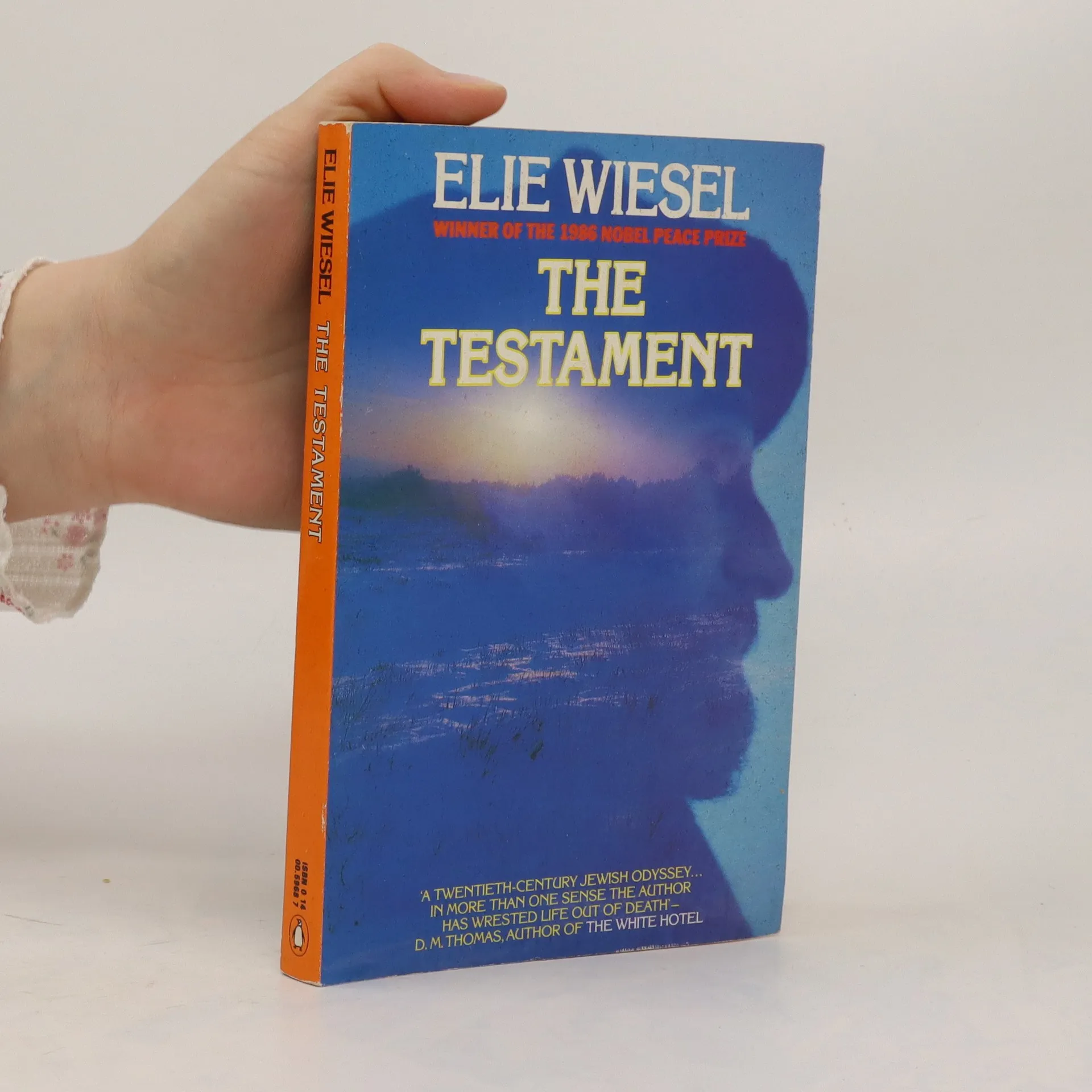
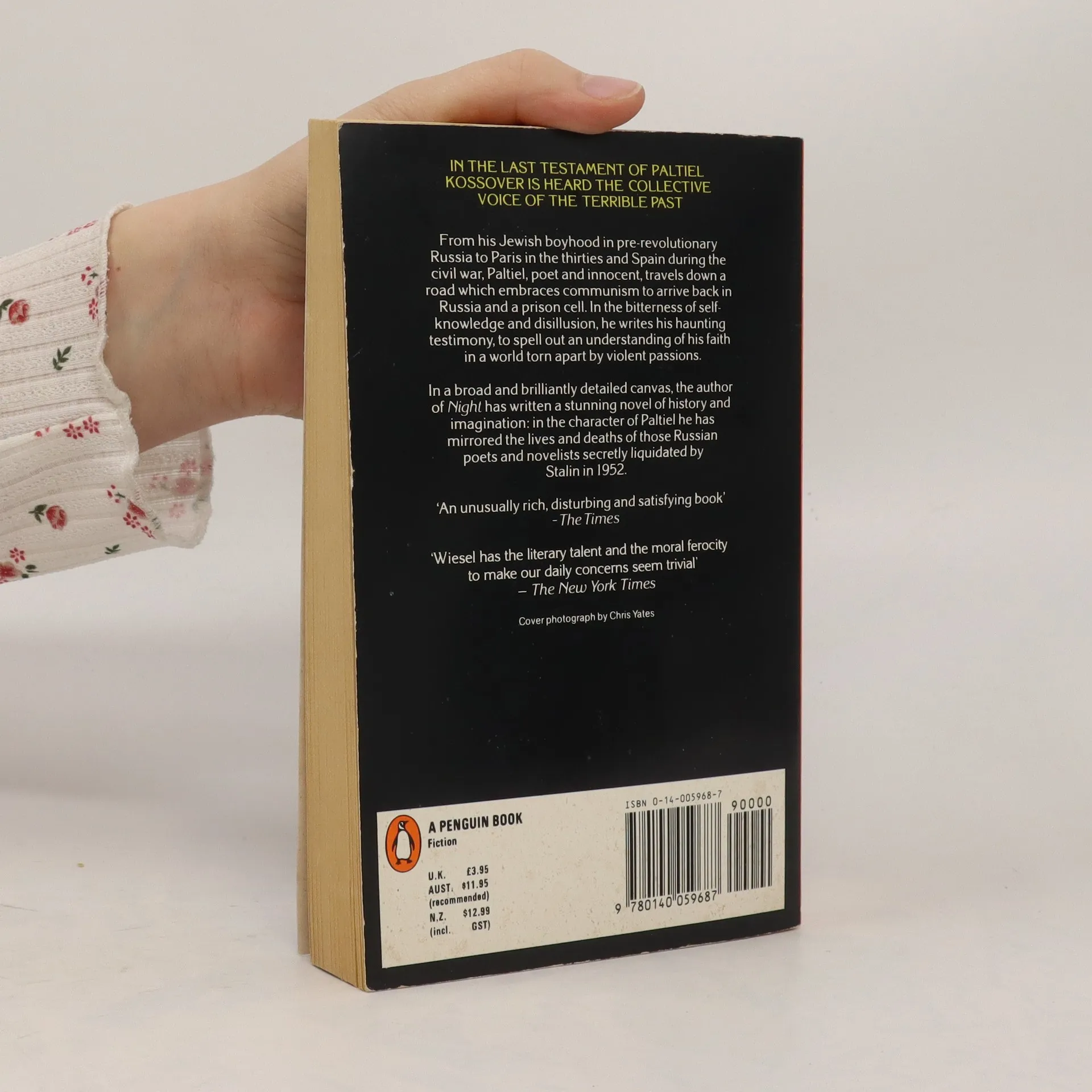
On August 12, 1952, Russia's greatest Jewish writers were secretly executed by Stalin. In this remarkable blend of history and imagination, Paltiel Kossover meets the same fate but, unlike his real-life counterparts, he is permitted to leave a written testament. From a Jewish boyhood in pre-revolutionary Russia, Paltiel traveled down a road that embraced Communism, only to return to Russia and discover a Communist Party that had become his mortal enemy. Two decades later, Paltiel's son, Grisha, reads this precious record of his father's life and finds that it illuminates the shadowed planes of his own. Passionate and fierce, this story of a father's legacy to his son revisits some of the most dramatic events of our century, and confirms yet again Elie Wiesel's stature as "a writer of the highest moral imagination" ("San Francisco Chronicle").



Zakup książki
The Testament, Elie Wiesel
- Język

- Rok wydania
- 1986
- Oprawa
- (miękka)
Metody płatności
Brakuje nam tutaj Twojej recenzji.
- Tytuł
- The Testament
- Język
- angielski
- Autorzy
- Elie Wiesel
- Wydawca
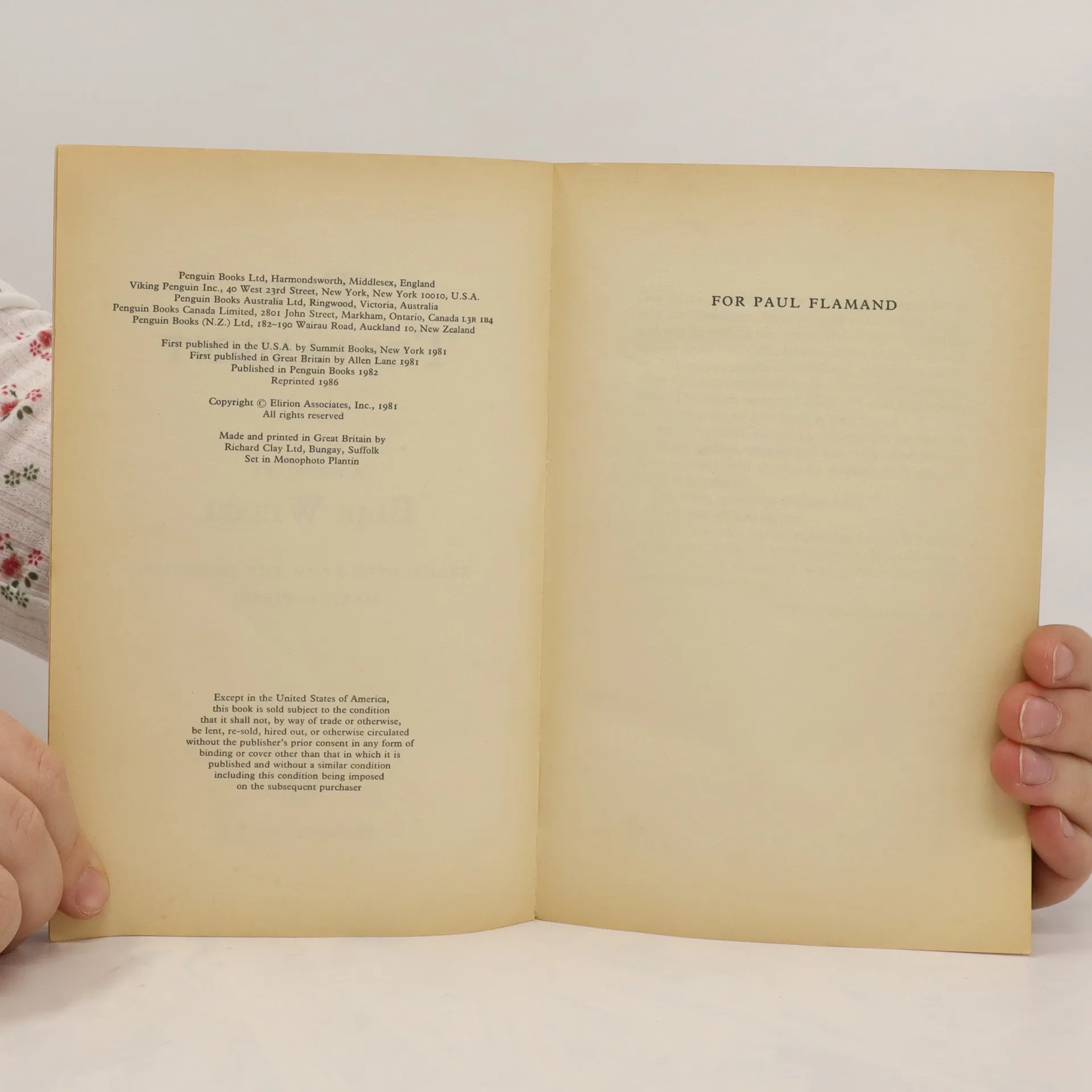
- Penguin
- Rok wydania
- 1986
- Oprawa
- miękka
- Liczba stron
- 304
- ISBN10
- 0140059687
- ISBN13
- 9780140059687
- Seria
- Kategorie
- Ocena
- 4 z 5
- Opis
- On August 12, 1952, Russia's greatest Jewish writers were secretly executed by Stalin. In this remarkable blend of history and imagination, Paltiel Kossover meets the same fate but, unlike his real-life counterparts, he is permitted to leave a written testament. From a Jewish boyhood in pre-revolutionary Russia, Paltiel traveled down a road that embraced Communism, only to return to Russia and discover a Communist Party that had become his mortal enemy. Two decades later, Paltiel's son, Grisha, reads this precious record of his father's life and finds that it illuminates the shadowed planes of his own. Passionate and fierce, this story of a father's legacy to his son revisits some of the most dramatic events of our century, and confirms yet again Elie Wiesel's stature as "a writer of the highest moral imagination" ("San Francisco Chronicle").