


Parametry
- 400 stron
- 14 godzin czytania
Więcej o książce
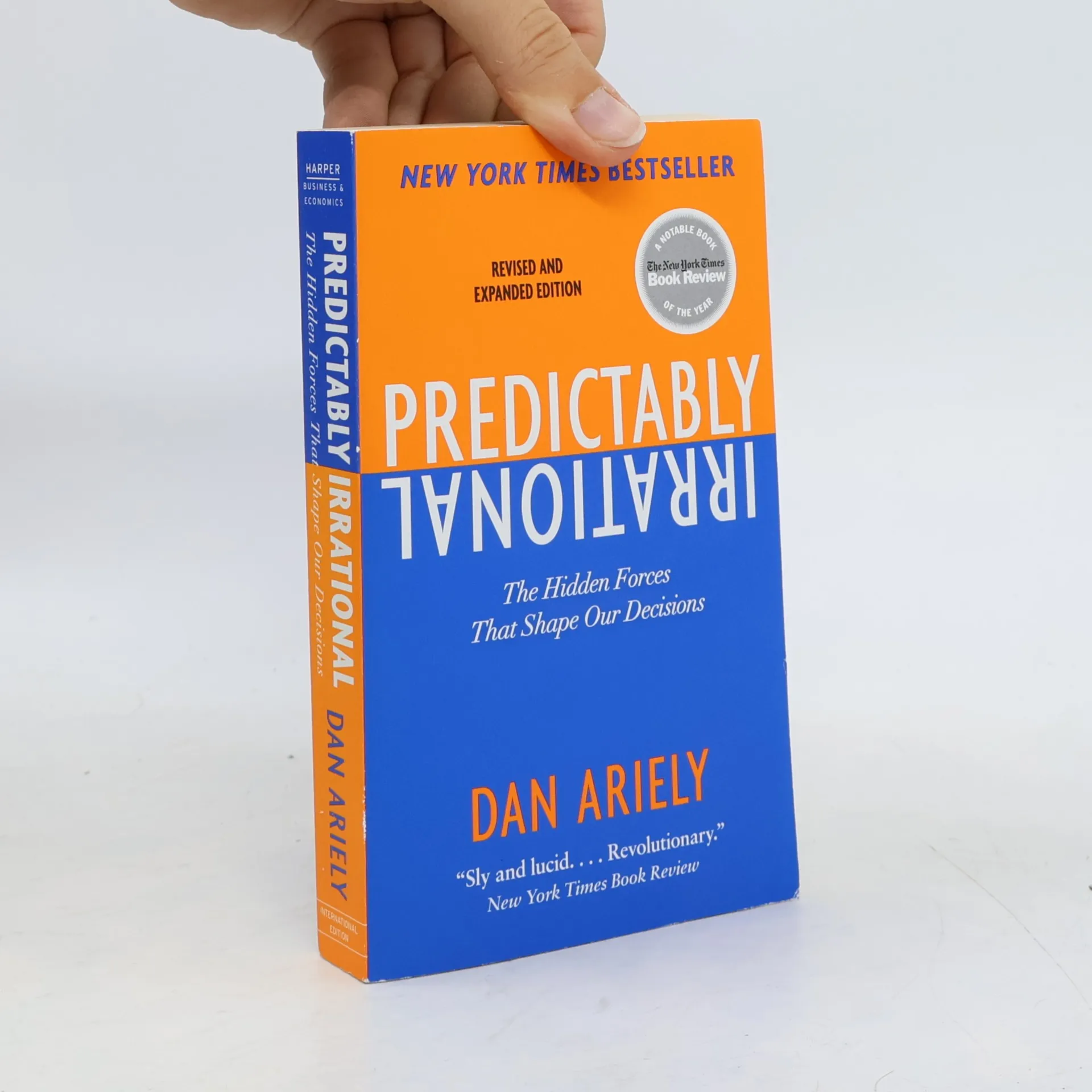
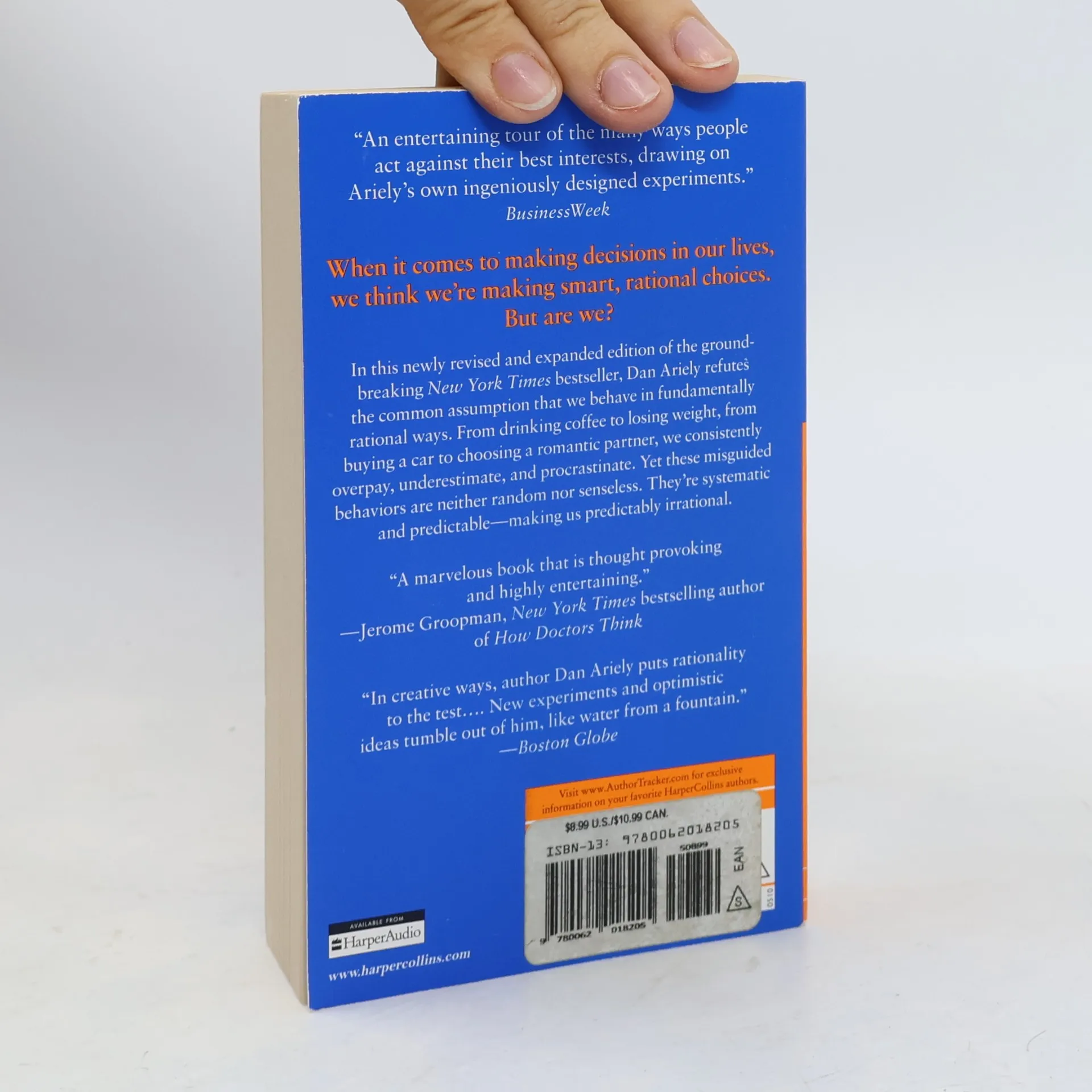
Why do our headaches persist after we take a one-cent aspirin but disappear when we take a fifty-cent aspirin? Why do we splurge on a lavish meal but cut coupons to save twenty-five cents on a can of soup? When it comes to making decisions in our lives, we think we're making smart, rational choices. But are we? In this newly revised and expanded edition of the groundbreaking New York Times bestseller, Dan Ariely refutes the common assumption that we behave in fundamentally rational ways. From drinking coffee to losing weight, from buying a car to choosing a romantic partner, we consistently overpay, underestimate, and procrastinate. Yet these misguided behaviors are neither random nor senseless. They're systematic and predictable—making us predictably irrational.




Zakup książki
Predictably irrational, Dan Ariely
- Język

- Rok wydania
- 2010
- Oprawa
- (miękka),
- Stan książki
- Dobry
- Cena
- 21,26 zł
Metody płatności
Brakuje nam tutaj Twojej recenzji.
- Tytuł
- Predictably irrational
- Podtytuł
- The hidden forces that shape our decisions
- Język
- angielski
- Autorzy
- Dan Ariely
- Wydawca
- Harper
- Rok wydania
- 2010
- Oprawa
- miękka
- Liczba stron
- 400
- ISBN10
- 0062018205
- ISBN13
- 9780062018205
- Seria
- Kategorie
- Tagi
- Biznes, Tematyka psychologiczna, Nauka, Prezenty dla kobiet, Publikacje popularnonaukowe, Życiowa mądrość, Zachowanie, etologia, Podejmowanie decyzji, Intuicja, Racjonalność, Ekonomia behawioralna
- Pierwsze wydanie
- 2008
- Oryginalna nazwa
- Predictably Irrational
- Ocena
- 4,05 z 5
- Opis
- Why do our headaches persist after we take a one-cent aspirin but disappear when we take a fifty-cent aspirin? Why do we splurge on a lavish meal but cut coupons to save twenty-five cents on a can of soup? When it comes to making decisions in our lives, we think we're making smart, rational choices. But are we? In this newly revised and expanded edition of the groundbreaking New York Times bestseller, Dan Ariely refutes the common assumption that we behave in fundamentally rational ways. From drinking coffee to losing weight, from buying a car to choosing a romantic partner, we consistently overpay, underestimate, and procrastinate. Yet these misguided behaviors are neither random nor senseless. They're systematic and predictable—making us predictably irrational.