


Więcej o książce
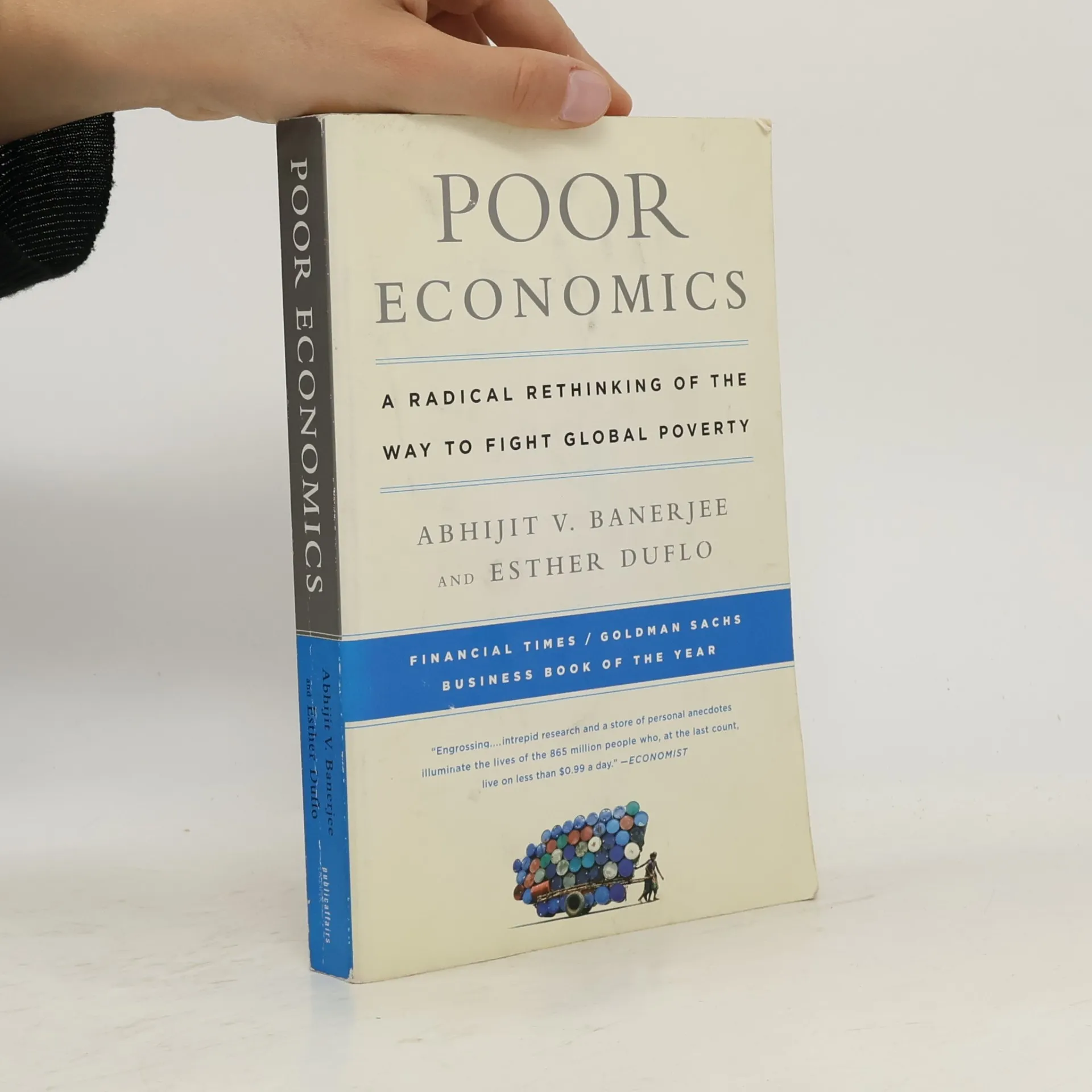
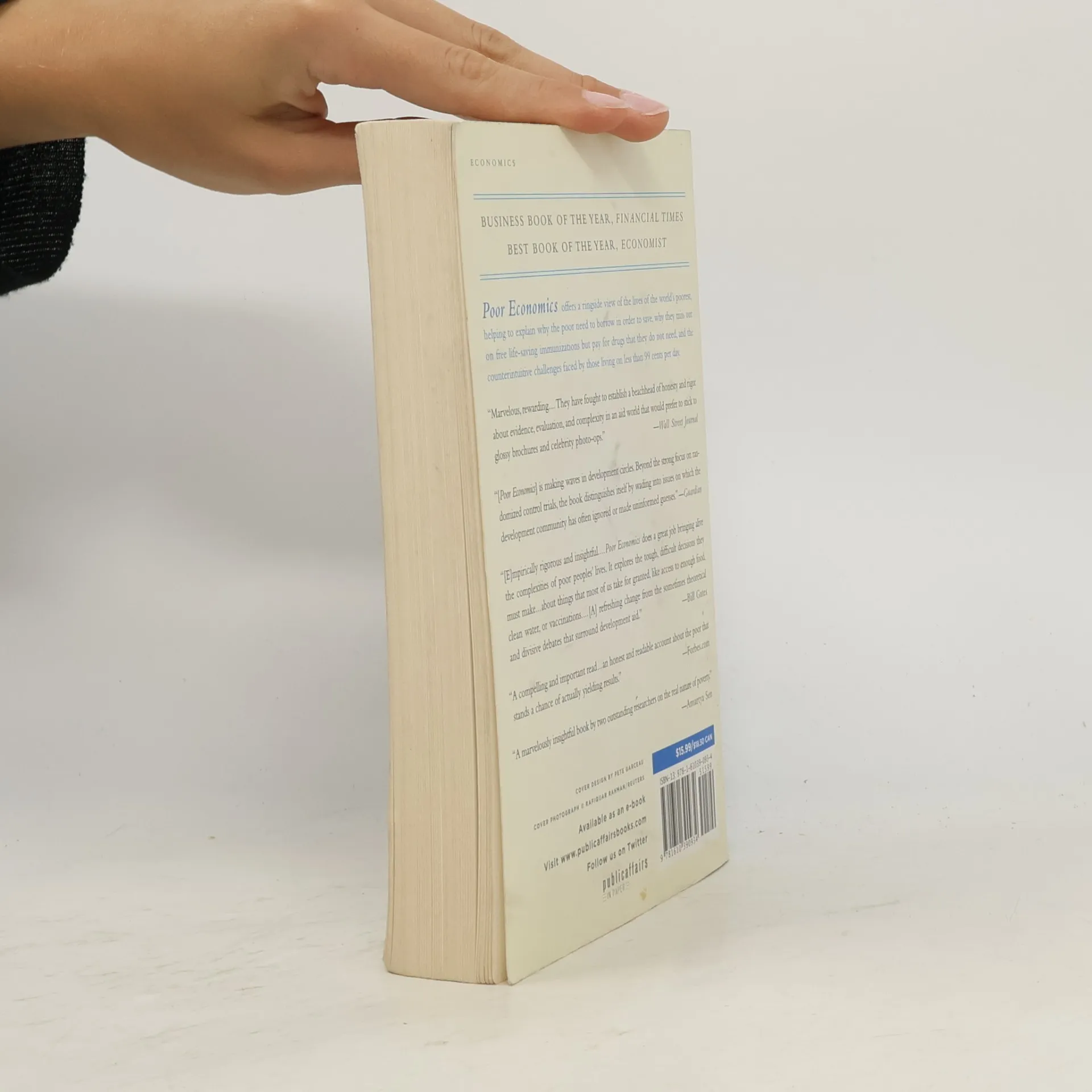
Why do the poor borrow to save? Why do they miss out on free life-saving immunizations, but pay for unnecessary drugs? In Poor Economics, Abhijit V. Banerjee and Esther Duflo, two practical visionaries working toward ending world poverty, answer these questions from the ground. In a book the Wall Street Journal called “marvelous, rewarding,” the authors tell how the stress of living on less than 99 cents per day encourages the poor to make questionable decisions that feed—not fight—poverty. The result is a radical rethinking of the economics of poverty that offers a ringside view of the lives of the world's poorest, and shows that creating a world without poverty begins with understanding the daily decisions facing the poor.


Zakup książki
Poor economics : a Radical Rethinking of the Way to Fight Global Poverty, Esther Duflo
- Język

- Rok wydania
- 2012
- Oprawa
- (miękka),
- Stan książki
- Dobry
- Cena
- 42,70 zł
Metody płatności
Brakuje nam tutaj Twojej recenzji.
- Tytuł
- Poor economics : a Radical Rethinking of the Way to Fight Global Poverty
- Język
- angielski
- Autorzy
- Esther Duflo
- Wydawca
- PublicAffairs
- Rok wydania
- 2012
- Oprawa
- miękka
- Liczba stron
- 303
- ISBN10
- 1610390938
- ISBN13
- 9781610390934
- Seria
- Kategorie
- Ocena
- 4,3 z 5
- Opis
- Why do the poor borrow to save? Why do they miss out on free life-saving immunizations, but pay for unnecessary drugs? In Poor Economics, Abhijit V. Banerjee and Esther Duflo, two practical visionaries working toward ending world poverty, answer these questions from the ground. In a book the Wall Street Journal called “marvelous, rewarding,” the authors tell how the stress of living on less than 99 cents per day encourages the poor to make questionable decisions that feed—not fight—poverty. The result is a radical rethinking of the economics of poverty that offers a ringside view of the lives of the world's poorest, and shows that creating a world without poverty begins with understanding the daily decisions facing the poor.