



Więcej o książce
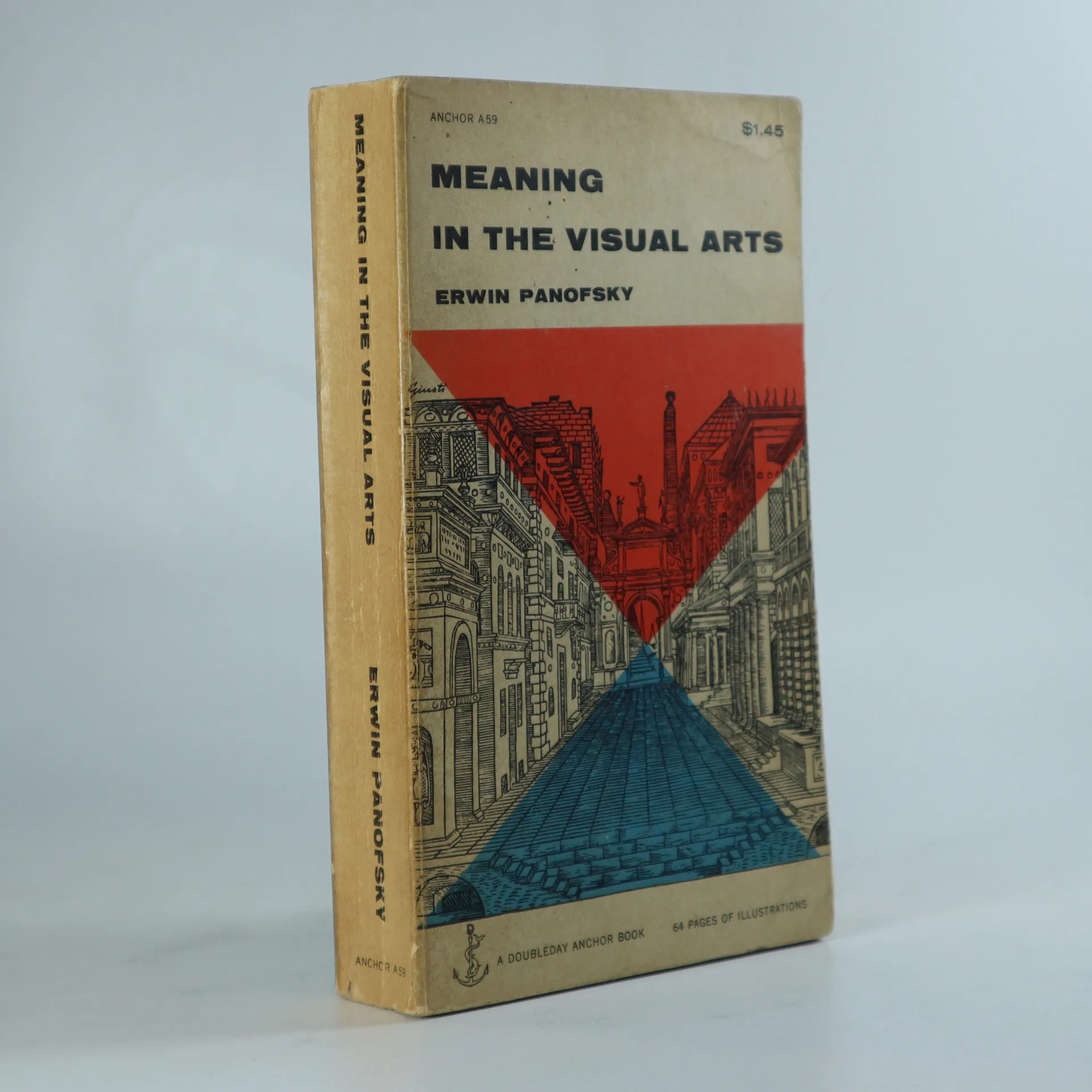
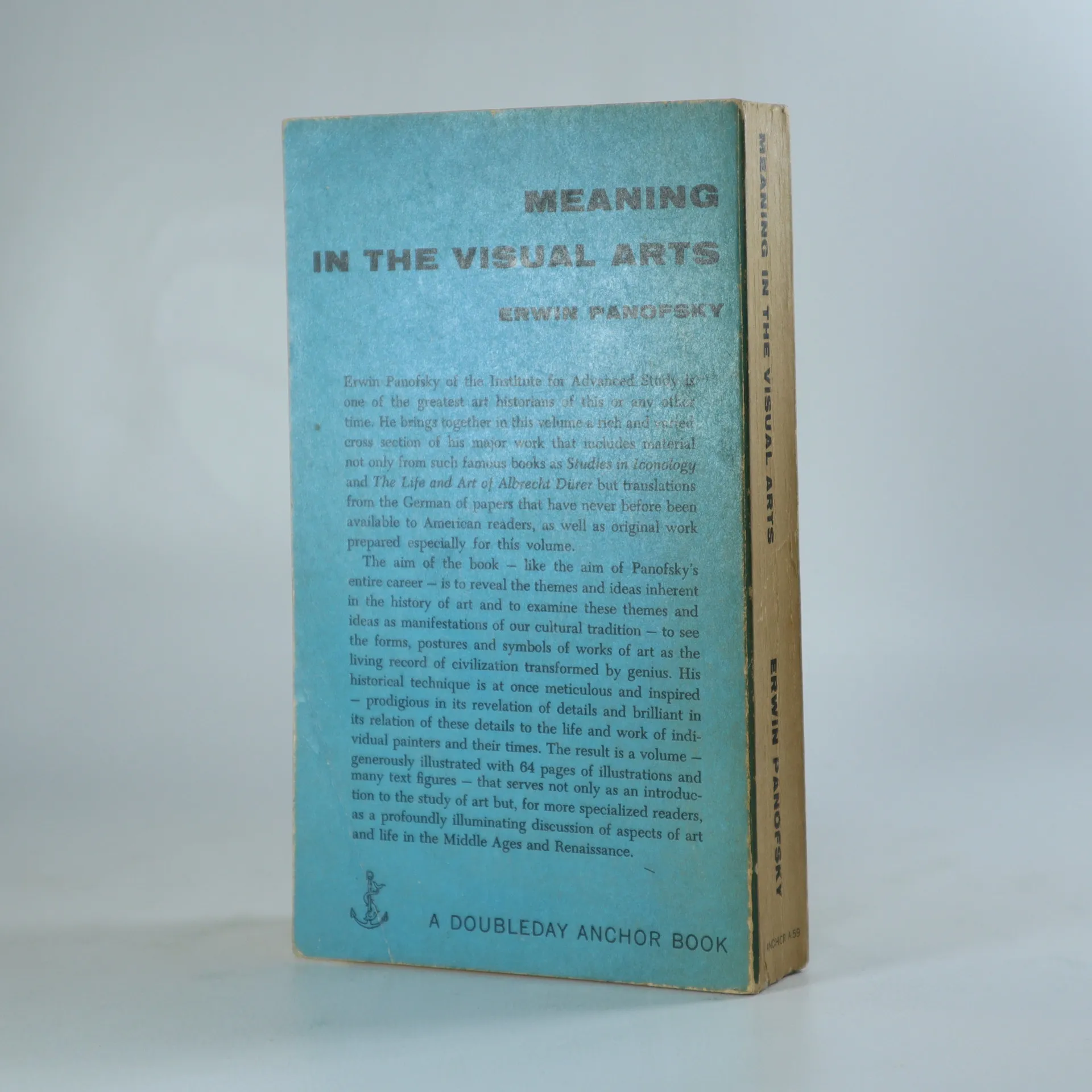
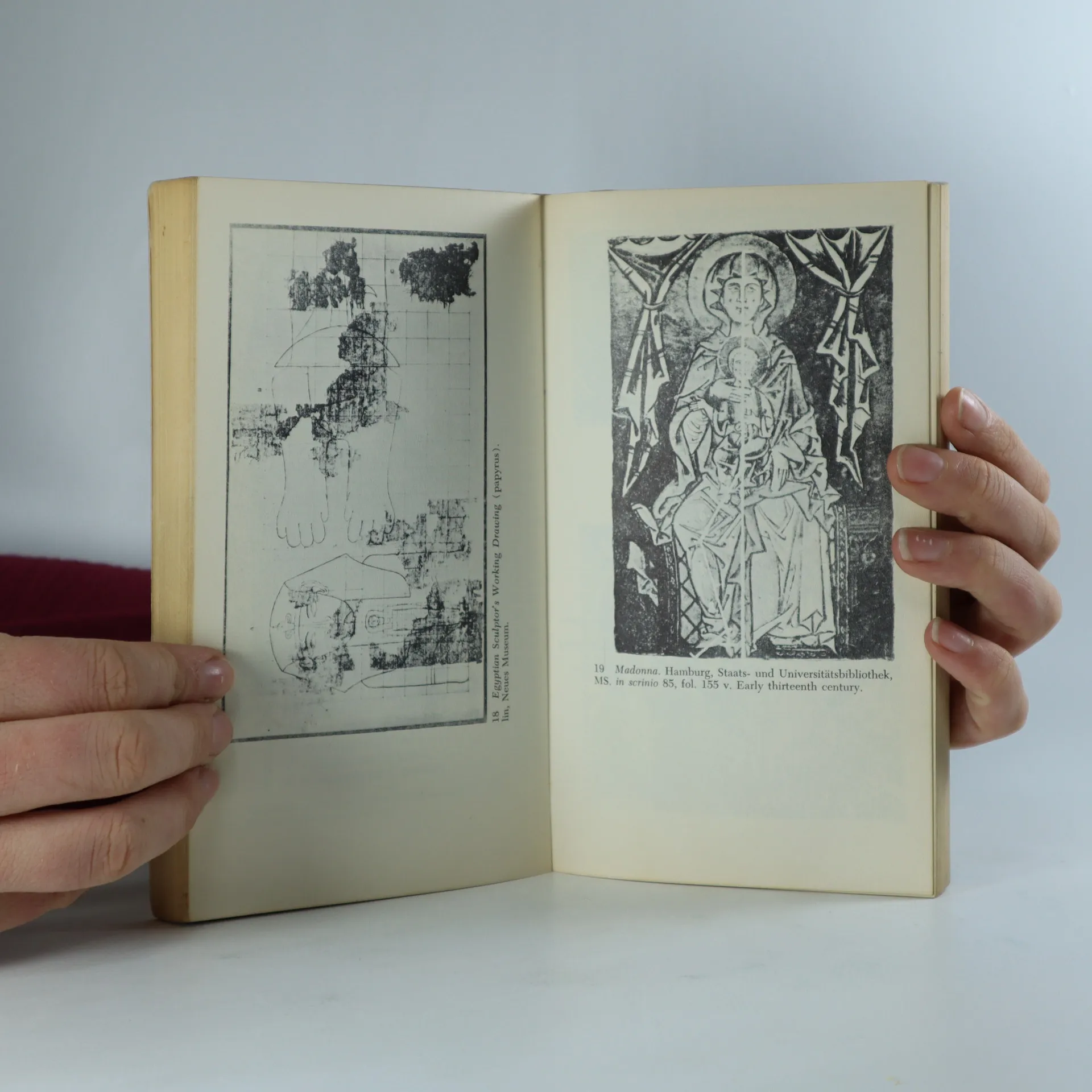
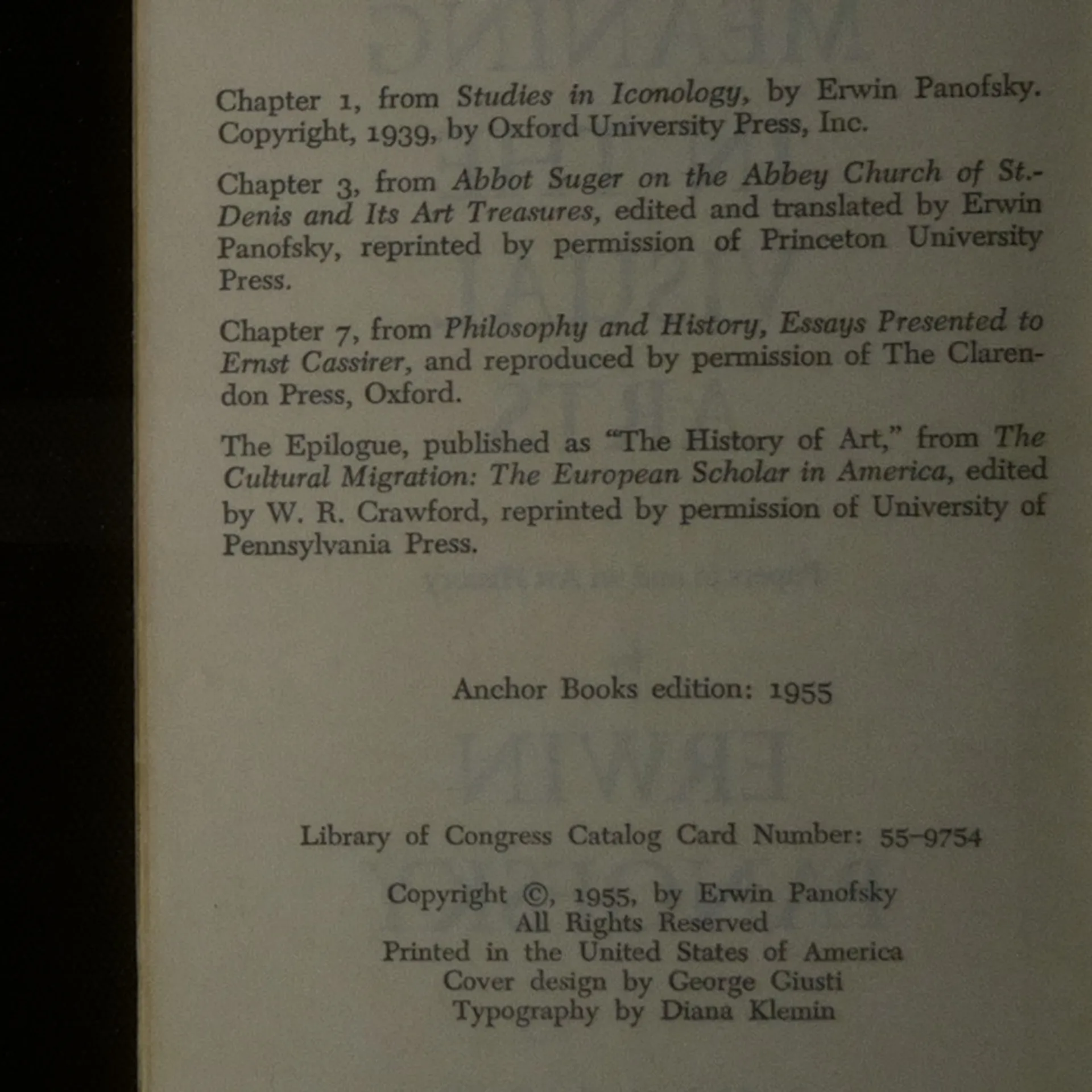
The book by the distinguished German-American art historian Erwin Panofsky includes seven essays, along with an introduction and epilogue. In the instructive "Iconography and Iconology," Panofsky introduces the main principles of his groundbreaking art historical method, known as iconology, which reveals the "inner meaning or content" of artworks through the study of their iconographic themes. He examines how significant trends in human thought have been expressed through specific themes and concepts under varying historical conditions. Panofsky further applies this iconological method in studies on the ideological creator of Gothic style, Abbot Suger, Titian's "Allegory of Wisdom," and Poussin's "Et in Arcadia ego." Additional works in this volume address the history of theories of human proportions, the relationship between the Italian Renaissance and Gothic style, and Dürer's connection to classical antiquity. The significance of Panofsky's contributions to the development of modern art history is explored in a postscript. The book is accompanied by 104 black-and-white photographs.


Zakup książki
Meaning in the visual arts, Erwin Panofsky
- Język

- Rok wydania
- 1955
Metody płatności
Brakuje nam tutaj Twojej recenzji.
- Tytuł
- Meaning in the visual arts
- Język
- angielski
- Autorzy
- Erwin Panofsky
- Wydawca
- Doubleday
- Rok wydania
- 1955
- Seria
- Kategorie
- Tagi
- Tematy historyczne, Tematyka filozoficzna, Sztuka, Historia sztuki, Teorie naukowe, Estetyka, Nauki humanistyczne, Teoria sztuki
- Pierwsze wydanie
- 1955
- Oryginalna nazwa
- Meaning in the Visual Arts
- Ocena
- 4,4 z 5
- Opis
- The book by the distinguished German-American art historian Erwin Panofsky includes seven essays, along with an introduction and epilogue. In the instructive "Iconography and Iconology," Panofsky introduces the main principles of his groundbreaking art historical method, known as iconology, which reveals the "inner meaning or content" of artworks through the study of their iconographic themes. He examines how significant trends in human thought have been expressed through specific themes and concepts under varying historical conditions. Panofsky further applies this iconological method in studies on the ideological creator of Gothic style, Abbot Suger, Titian's "Allegory of Wisdom," and Poussin's "Et in Arcadia ego." Additional works in this volume address the history of theories of human proportions, the relationship between the Italian Renaissance and Gothic style, and Dürer's connection to classical antiquity. The significance of Panofsky's contributions to the development of modern art history is explored in a postscript. The book is accompanied by 104 black-and-white photographs.