


Więcej o książce
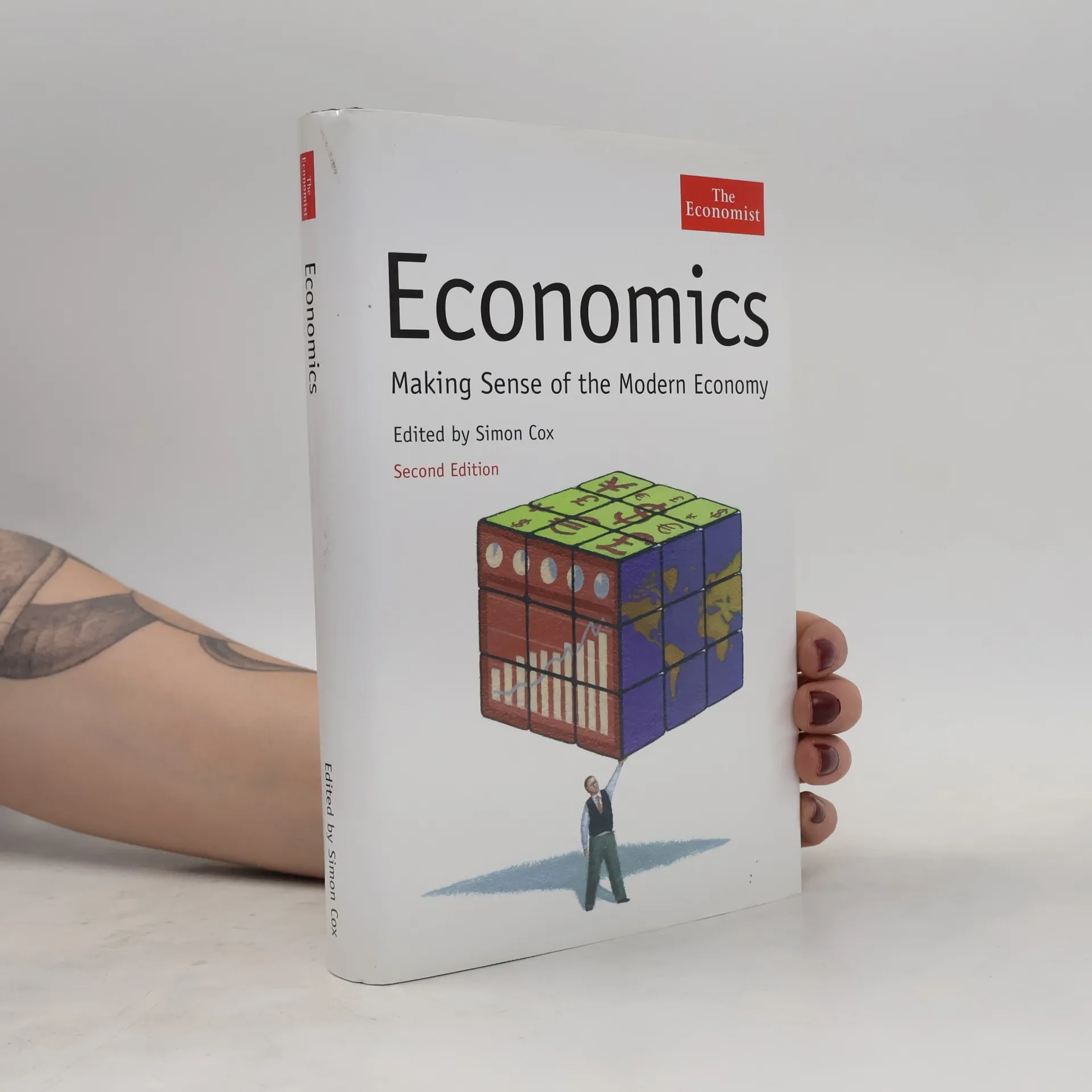
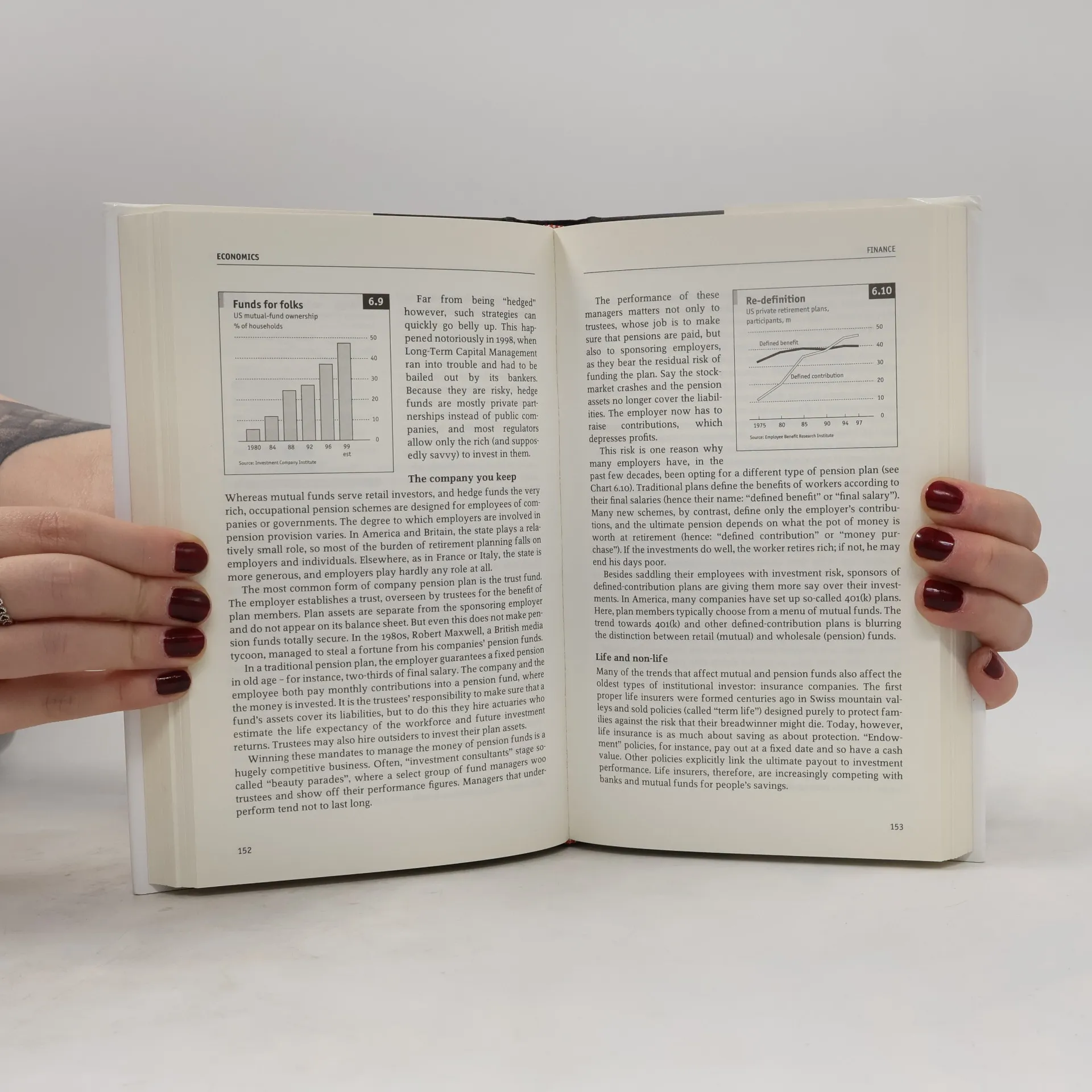
Written in the accessible, intelligent, jargon-free style for which The Economist is famous, this book is aimed at anyone – from students to presidents – who wants to make sense of the modern economy and grasp how economic theory works in practice. The laws of economics do not change from week to week. If you have ever wondered why America's trade deficit attracts so much fuss, why central bankers enjoy so much deference, whether stockbrokers earn their commissions, or why we cannot share unemployment by sharing work out more evenly, the articles in this book provide answers based on economic principles of lasting relevance. Part one of the book looks at globalisation. Part two track the fortunes of the world economy - America's recovery and its imbalances; China's rise; and the brighter signs for the Japanese and German economies after years of underachievement. Part three examines the "capital" in capitalism - what finance does for the economy; how money and credit are created, regulated and circulated; and capial flows across national borders. Part four explores how economics is applied and misapplied - what the market can achieve and how it can fail.


Zakup książki
Economics. Making Sense of the Modern Economy, Simon Cox
- Język

- Rok wydania
- 2006
- Oprawa
- (twarda),
- Stan książki
- Dobry
- Cena
- 28,35 zł
Metody płatności
Brakuje nam tutaj Twojej recenzji.
- Tytuł
- Economics. Making Sense of the Modern Economy
- Język
- angielski
- Autorzy
- Simon Cox
- Rok wydania
- 2006
- Oprawa
- twarda
- Liczba stron
- 326
- ISBN10
- 1861975457
- ISBN13
- 9781861975454
- Seria
- Ocena
- 3,5 z 5
- Opis
- Written in the accessible, intelligent, jargon-free style for which The Economist is famous, this book is aimed at anyone – from students to presidents – who wants to make sense of the modern economy and grasp how economic theory works in practice. The laws of economics do not change from week to week. If you have ever wondered why America's trade deficit attracts so much fuss, why central bankers enjoy so much deference, whether stockbrokers earn their commissions, or why we cannot share unemployment by sharing work out more evenly, the articles in this book provide answers based on economic principles of lasting relevance. Part one of the book looks at globalisation. Part two track the fortunes of the world economy - America's recovery and its imbalances; China's rise; and the brighter signs for the Japanese and German economies after years of underachievement. Part three examines the "capital" in capitalism - what finance does for the economy; how money and credit are created, regulated and circulated; and capial flows across national borders. Part four explores how economics is applied and misapplied - what the market can achieve and how it can fail.