

Ocena książki
Więcej o książce
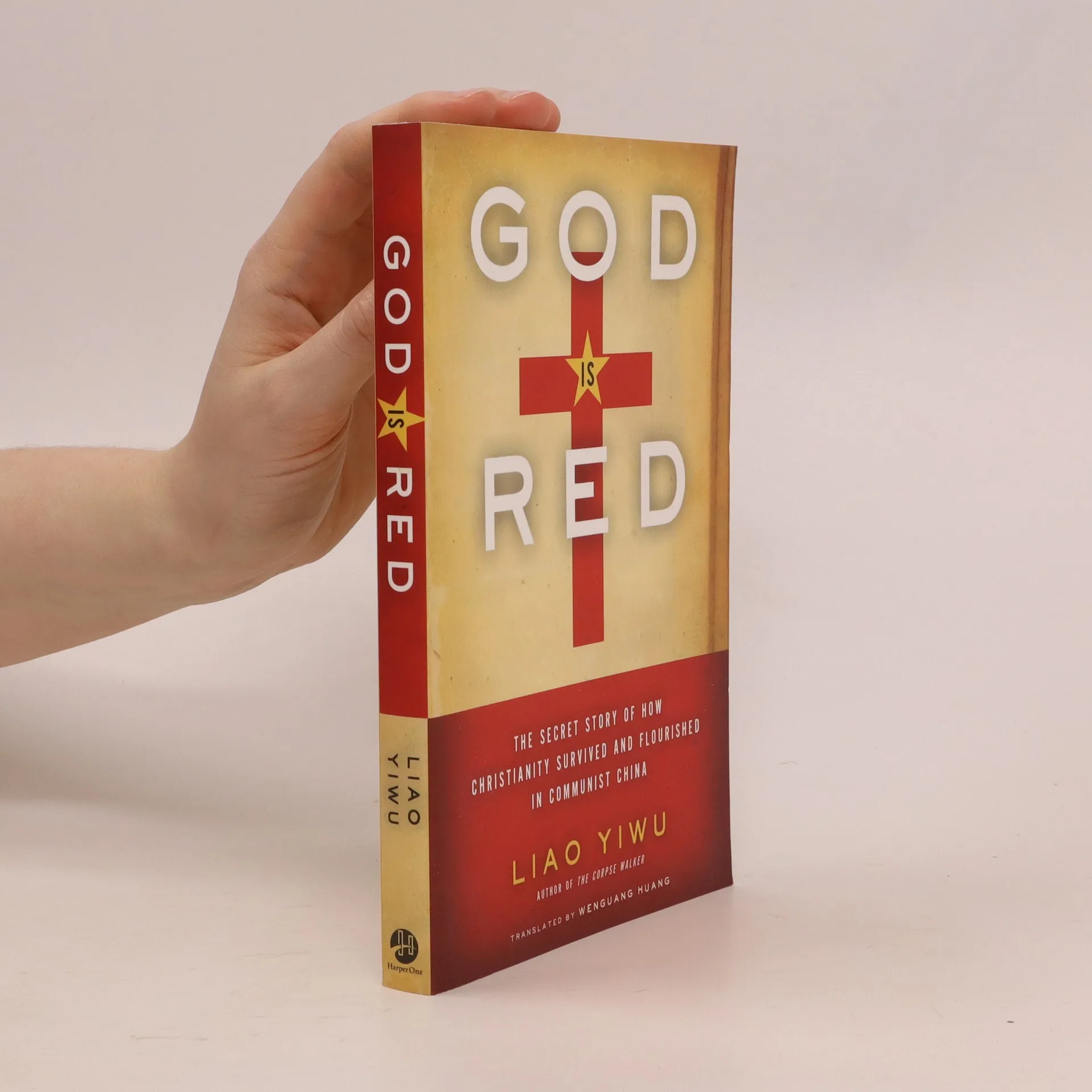
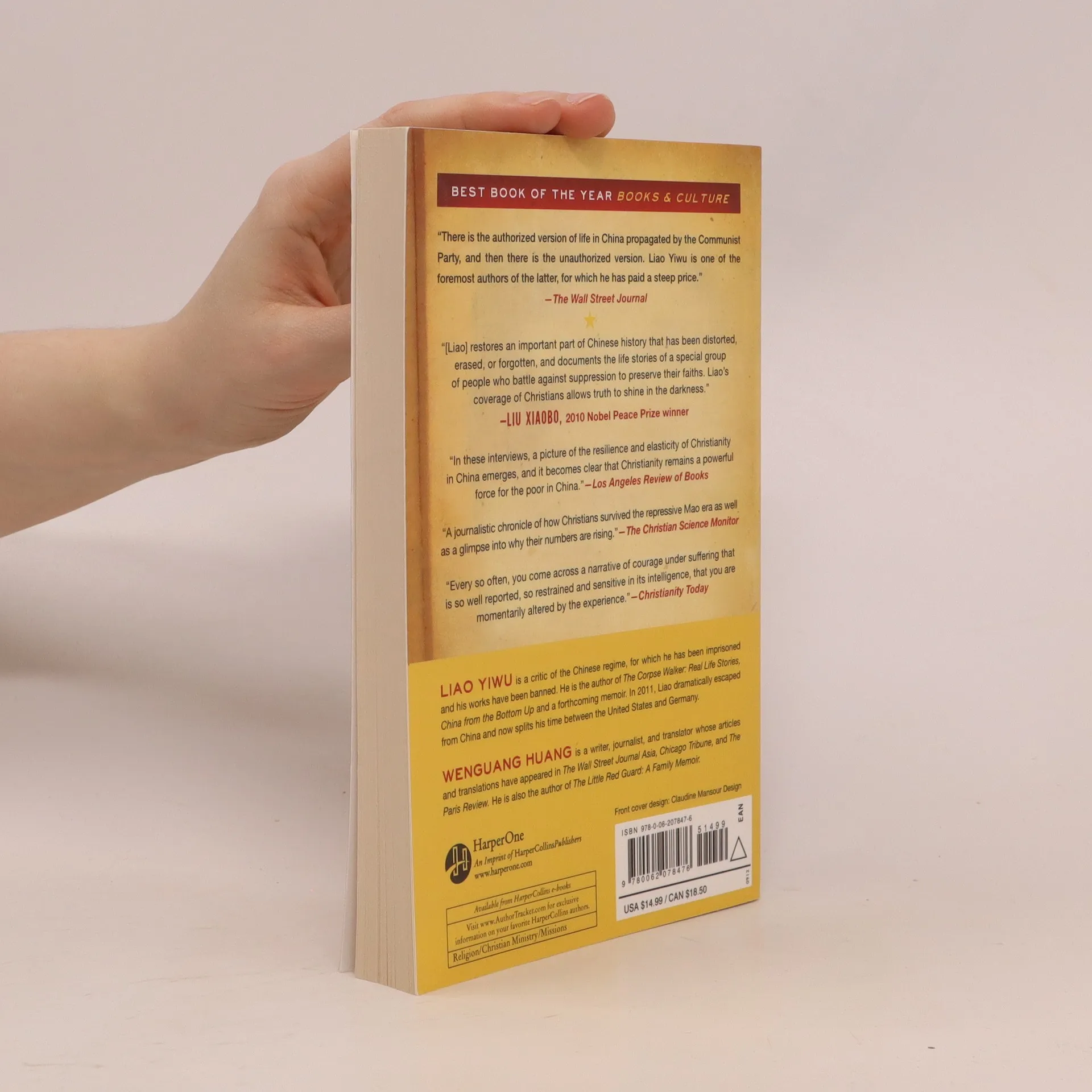
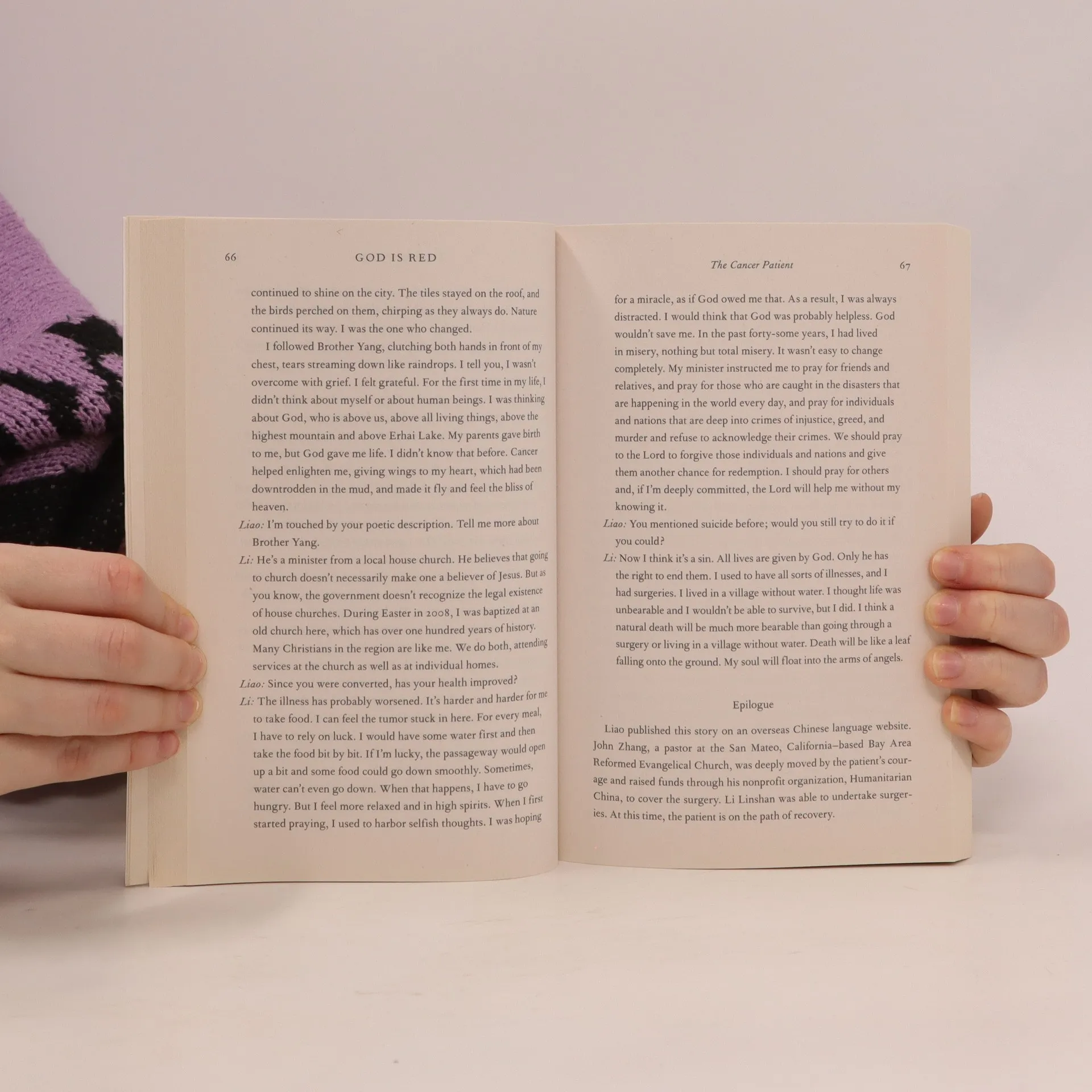
When journalist Liao Yiwu discovered a vibrant Christian community in secular China, he initially knew little about Christianity, having been taught that religion was evil and its followers deluded. However, as a writer whose work faced bans and imprisonment, Liao felt a connection with Chinese Christians, who share a steadfast commitment to freedom of expression and meaning in a chaotic society. Determined to preserve the memory of his nation's past and present, he sought to document the untold stories of courageous believers whose faith remained unbroken by a totalitarian regime. Among them is a centenarian nun who endured beatings, famine, and decades of labor while advocating for the return of church land seized by the government. Another is a surgeon who left a prestigious Communist hospital role to provide free medical care to villagers in remote southwestern China. Liao also highlights a Protestant minister, now honored in Westminster Abbey, who was executed during the Cultural Revolution for being an "incorrigible counterrevolutionary." This inspiring narrative showcases a resilient church flourishing despite oppression, serving as a powerful discourse on politics and spirituality, and paying tribute to China's brave shepherds of faith who demonstrate that a totalitarian government cannot control the human spirit.

Zakup książki
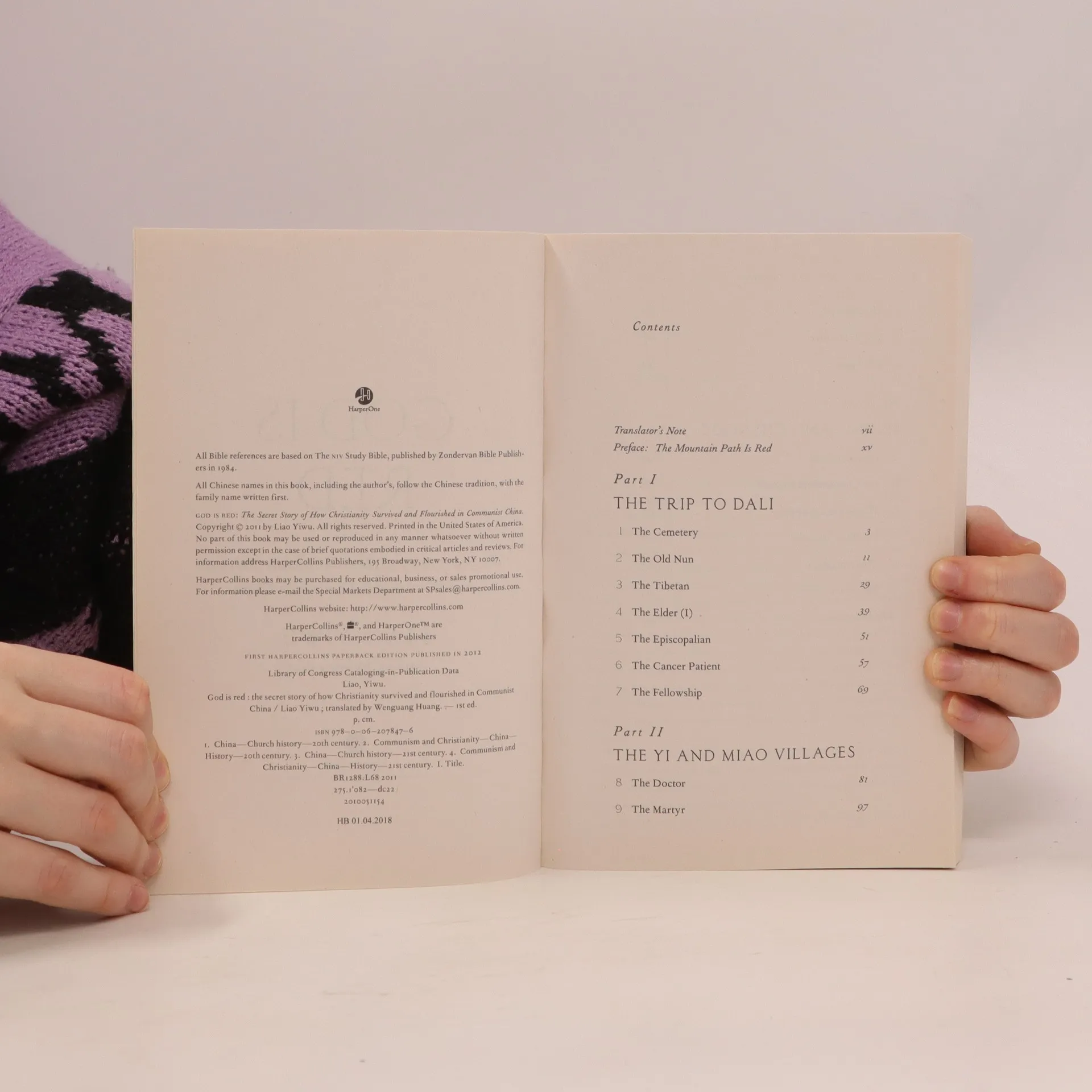
God is red : the secret story of how Christianity survived and flourished in Communist China, Liao I. Wu
- Język

- Rok wydania
- 2011
- Oprawa
- (miękka)
Metody płatności
Brakuje nam tutaj Twojej recenzji.
- Tytuł
- God is red : the secret story of how Christianity survived and flourished in Communist China
- Język
- angielski
- Autorzy
- Liao I. Wu
- Wydawca
- HarperOne
- Rok wydania
- 2011
- Oprawa
- miękka
- Liczba stron
- 256
- ISBN10
- 006207847X
- ISBN13
- 9780062078476
- Seria
- Kategorie
- Ocena
- 4,1 z 5
- Opis
- When journalist Liao Yiwu discovered a vibrant Christian community in secular China, he initially knew little about Christianity, having been taught that religion was evil and its followers deluded. However, as a writer whose work faced bans and imprisonment, Liao felt a connection with Chinese Christians, who share a steadfast commitment to freedom of expression and meaning in a chaotic society. Determined to preserve the memory of his nation's past and present, he sought to document the untold stories of courageous believers whose faith remained unbroken by a totalitarian regime. Among them is a centenarian nun who endured beatings, famine, and decades of labor while advocating for the return of church land seized by the government. Another is a surgeon who left a prestigious Communist hospital role to provide free medical care to villagers in remote southwestern China. Liao also highlights a Protestant minister, now honored in Westminster Abbey, who was executed during the Cultural Revolution for being an "incorrigible counterrevolutionary." This inspiring narrative showcases a resilient church flourishing despite oppression, serving as a powerful discourse on politics and spirituality, and paying tribute to China's brave shepherds of faith who demonstrate that a totalitarian government cannot control the human spirit.