



Więcej o książce
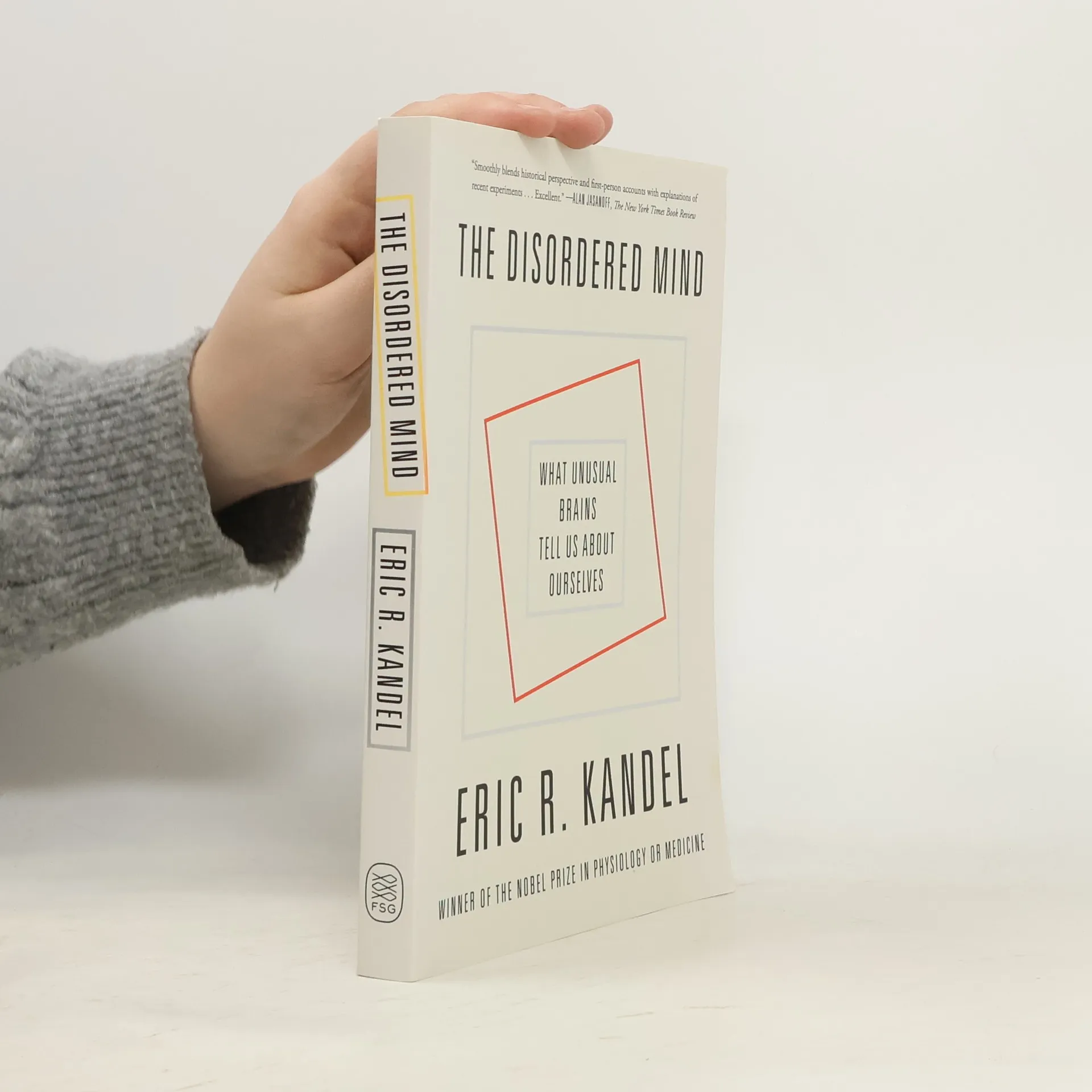
Eric R. Kandel, a Nobel Prize winner for his groundbreaking research on memory storage, is a pioneer in modern brain science. His work has transformed our understanding of learning and memory, bridging the gap between the sciences and the arts. In his new book, Kandel offers a unique exploration of the brain, addressing the complex question of how our individual sense of self arises from the brain's physical structure. The brain's 86 billion neurons communicate through precise connections, but these can sometimes be disrupted, leading to disorders such as autism, depression, schizophrenia, Parkinson's, addiction, and PTSD. While these disruptions cause significant suffering, they also provide insights into the brain's role in shaping fundamental human experiences. For instance, studies of autism shed light on our social instincts, while research on depression reveals important aspects of emotions and self-integrity. Additionally, innovative work on addiction has changed our understanding of pleasure and willpower. By examining these disruptions and their treatments, we can enhance our comprehension of thought, feeling, behavior, memory, and creativity, ultimately addressing the profound question of how consciousness arises from billions of neurons.




Zakup książki
DISORDERED MIND, Eric Kandel
- Język

- Rok wydania
- 2019
- Oprawa
- (miękka)
Metody płatności
Brakuje nam tutaj Twojej recenzji.
- Tytuł
- DISORDERED MIND
- Język
- angielski
- Autorzy
- Eric Kandel
- Wydawca
- Macmillan USA
- Rok wydania
- 2019
- Oprawa
- miękka
- Liczba stron
- 304
- ISBN10
- 0374538441
- ISBN13
- 9780374538446
- Seria
- Ocena
- 4 z 5
- Opis
- Eric R. Kandel, a Nobel Prize winner for his groundbreaking research on memory storage, is a pioneer in modern brain science. His work has transformed our understanding of learning and memory, bridging the gap between the sciences and the arts. In his new book, Kandel offers a unique exploration of the brain, addressing the complex question of how our individual sense of self arises from the brain's physical structure. The brain's 86 billion neurons communicate through precise connections, but these can sometimes be disrupted, leading to disorders such as autism, depression, schizophrenia, Parkinson's, addiction, and PTSD. While these disruptions cause significant suffering, they also provide insights into the brain's role in shaping fundamental human experiences. For instance, studies of autism shed light on our social instincts, while research on depression reveals important aspects of emotions and self-integrity. Additionally, innovative work on addiction has changed our understanding of pleasure and willpower. By examining these disruptions and their treatments, we can enhance our comprehension of thought, feeling, behavior, memory, and creativity, ultimately addressing the profound question of how consciousness arises from billions of neurons.