

Więcej o książce
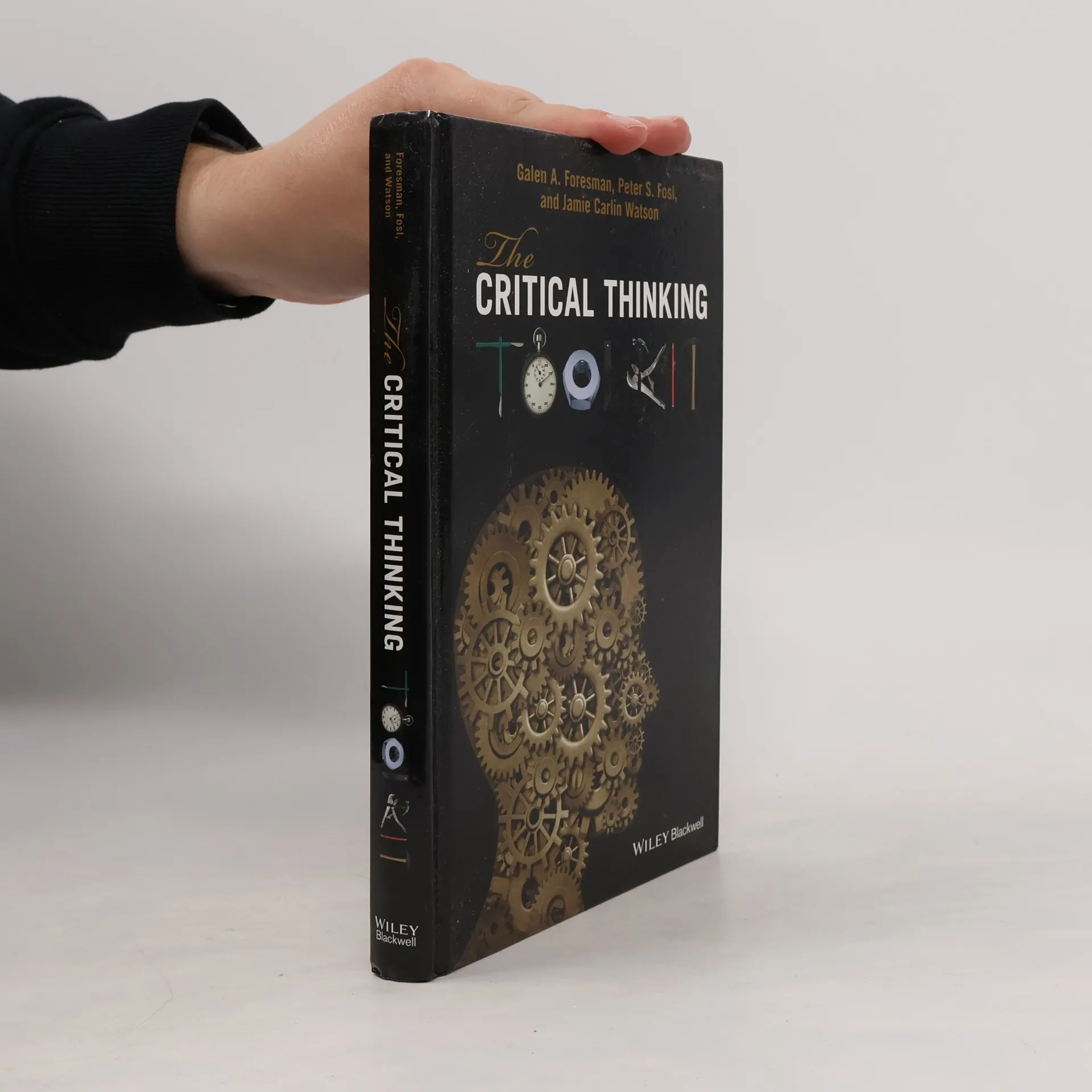
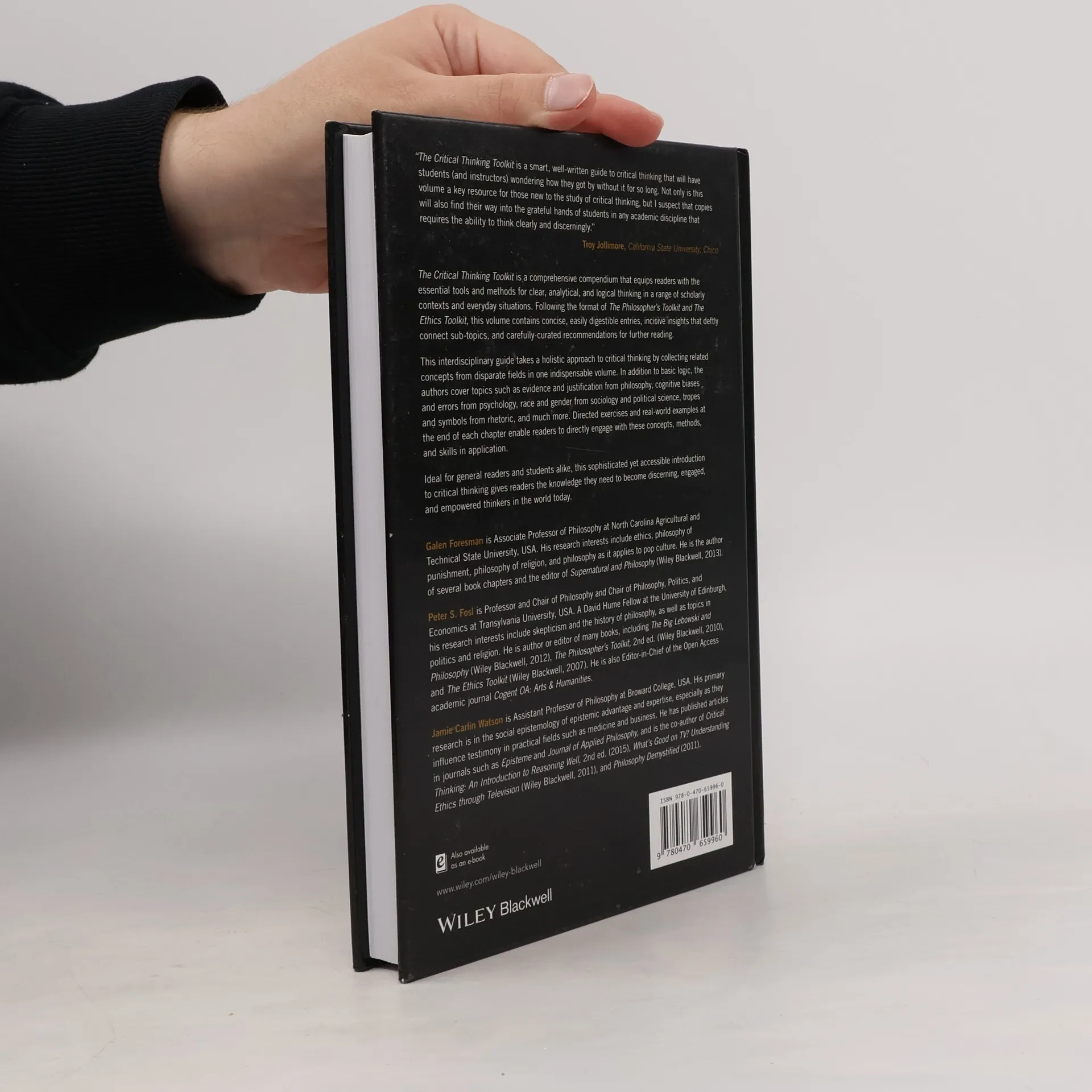
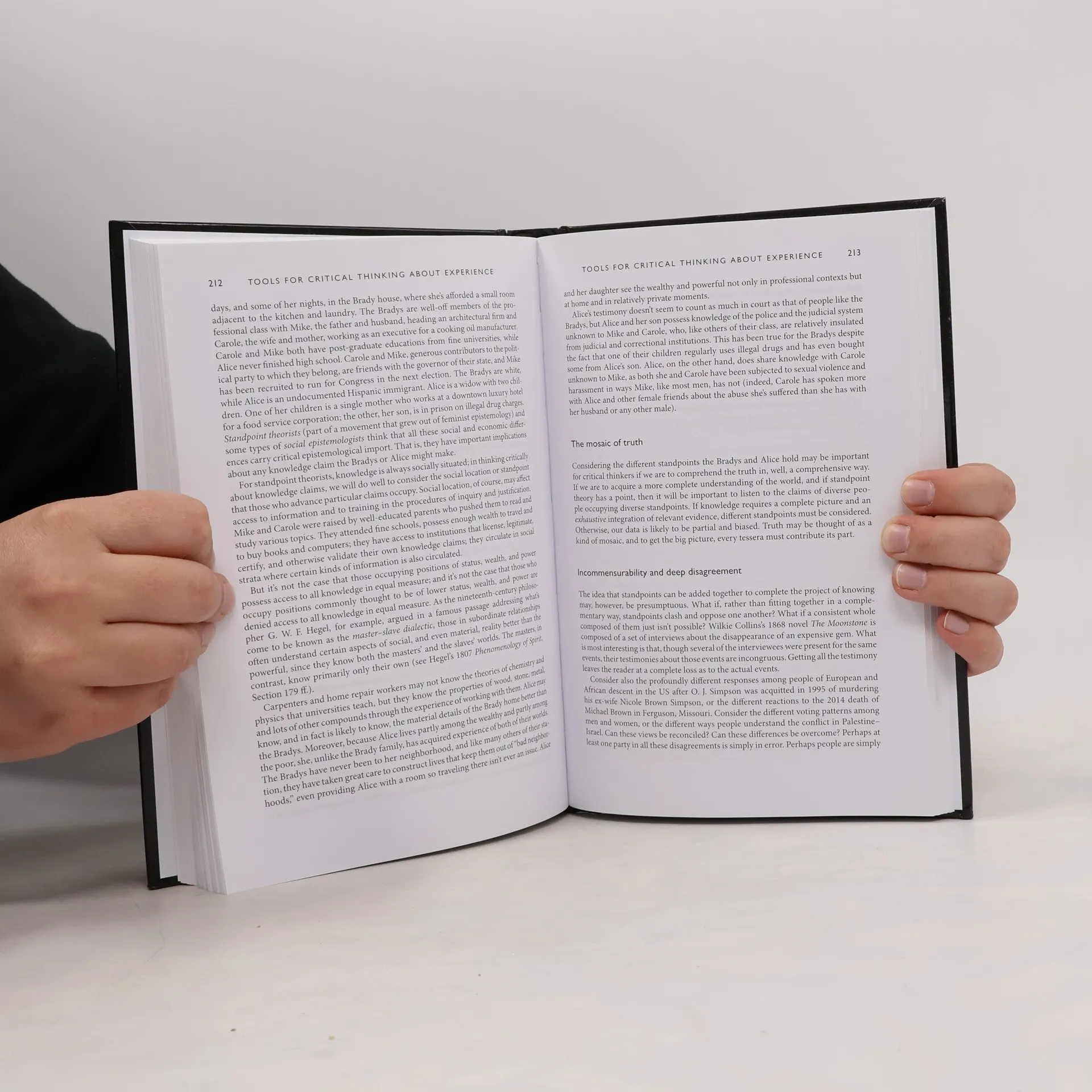
The Critical Thinking Toolkit is a comprehensive compendium that equips readers with the essential knowledge and methods for clear, analytical, logical thinking and critique in a range of scholarly contexts and everyday situations.Takes an expansive approach to critical thinking by exploring concepts from other disciplines, including evidence and justification from philosophy, cognitive biases and errors from psychology, race and gender from sociology and political science, and tropes and symbols from rhetoric Follows the proven format of The Philosopher's Toolkit and The Ethics Toolkit with concise, easily digestible entries, "see also" recommendations that connect topics, and recommended reading lists Allows readers to apply new critical thinking and reasoning skills with exercises and real life examples at the end of each chapter Written in an accessible way, it leads readers through terrain too often cluttered with jargon Ideal for beginning to advanced students, as well as general readers, looking for a sophisticated yet accessible introduction to critical thinking


Zakup książki
The Critical Thinking Toolkit, Galen A. Foresman, Peter S. Fosl, Jamie C. Watson, Robert Arp
- Język

- Rok wydania
- 2016
- Oprawa
- (twarda),
- Stan książki
- Dobry
- Cena
- 67,71 zł
Metody płatności
Brakuje nam tutaj Twojej recenzji.
- Tytuł
- The Critical Thinking Toolkit
- Język
- angielski
- Wydawca
- Wiley-Blackwell
- Rok wydania
- 2016
- Oprawa
- twarda
- Liczba stron
- 384
- ISBN10
- 0470659963
- ISBN13
- 9780470659960
- Seria
- Ocena
- 4,35 z 5
- Opis
- The Critical Thinking Toolkit is a comprehensive compendium that equips readers with the essential knowledge and methods for clear, analytical, logical thinking and critique in a range of scholarly contexts and everyday situations.Takes an expansive approach to critical thinking by exploring concepts from other disciplines, including evidence and justification from philosophy, cognitive biases and errors from psychology, race and gender from sociology and political science, and tropes and symbols from rhetoric Follows the proven format of The Philosopher's Toolkit and The Ethics Toolkit with concise, easily digestible entries, "see also" recommendations that connect topics, and recommended reading lists Allows readers to apply new critical thinking and reasoning skills with exercises and real life examples at the end of each chapter Written in an accessible way, it leads readers through terrain too often cluttered with jargon Ideal for beginning to advanced students, as well as general readers, looking for a sophisticated yet accessible introduction to critical thinking