




Więcej o książce
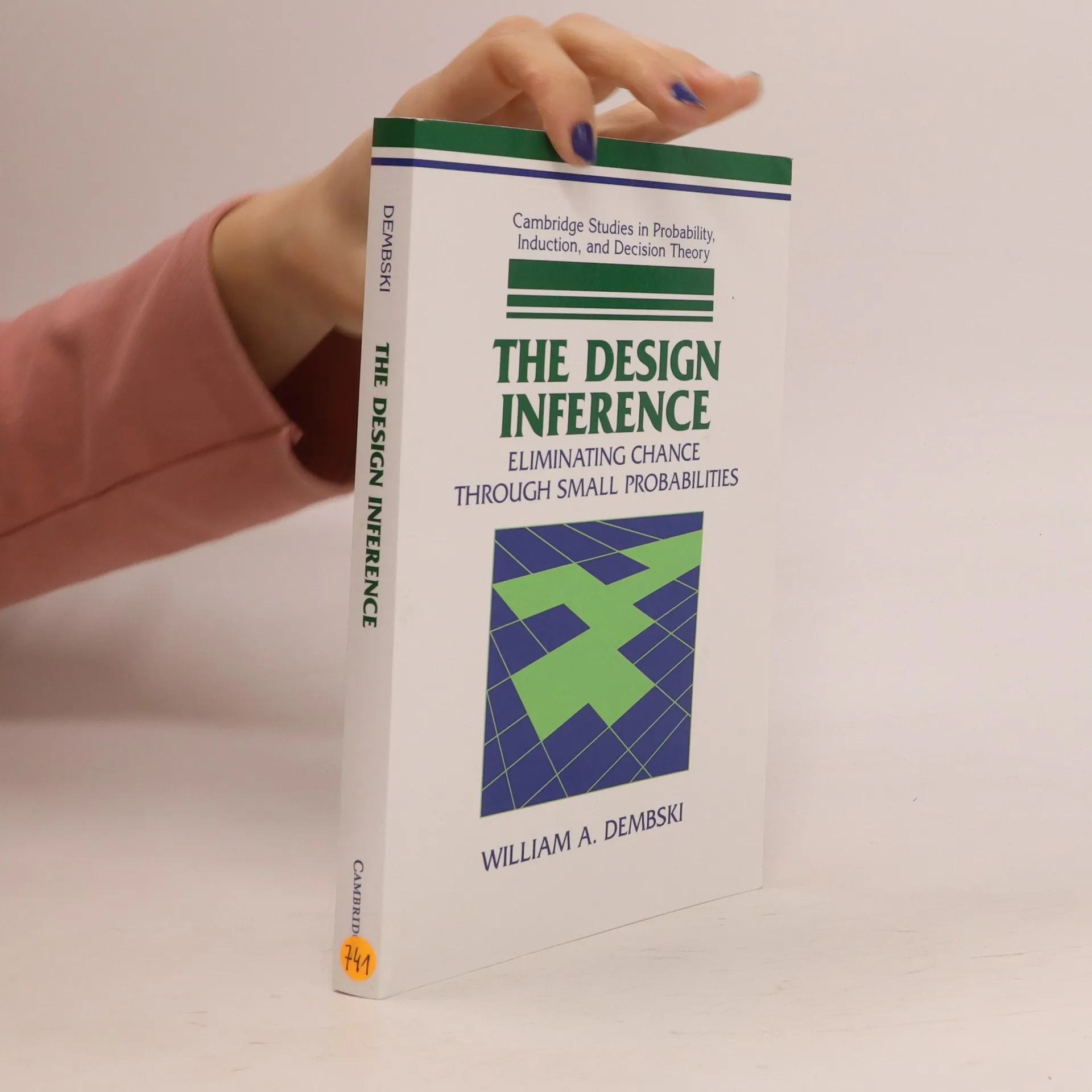
How can we identify events due to intelligent causes and distinguish them from events due to undirected natural causes? If we lack a causal theory how can we determine whether an intelligent cause acted? This book presents a reliable method for detecting intelligent causes: the design inference. The design inference uncovers intelligent causes by isolating the key trademark of intelligent causes: specified events of small probability. Design inferences can be found in a range of scientific pursuits from forensic science to research into the origins of life to the search for extraterrestrial intelligence. This challenging and provocative book will be read with particular interest by philosophers of science and religion, other philosophers concerned with epistemology and logic, probability and complexity theorists, and statisticians.


Zakup książki
The Design Inference, William A. Dembski
- Język

- Rok wydania
- 2005
- Oprawa
- (miękka)
Metody płatności
Brakuje nam tutaj Twojej recenzji.
- Tytuł
- The Design Inference
- Język
- angielski
- Autorzy
- William A. Dembski
- Wydawca
- Cambridge University Press
- Rok wydania
- 2005
- Oprawa
- miękka
- Liczba stron
- 262
- ISBN10
- 0521678676
- ISBN13
- 9780521678674
- Kategorie
- Ocena
- 3,6 z 5
- Opis
- How can we identify events due to intelligent causes and distinguish them from events due to undirected natural causes? If we lack a causal theory how can we determine whether an intelligent cause acted? This book presents a reliable method for detecting intelligent causes: the design inference. The design inference uncovers intelligent causes by isolating the key trademark of intelligent causes: specified events of small probability. Design inferences can be found in a range of scientific pursuits from forensic science to research into the origins of life to the search for extraterrestrial intelligence. This challenging and provocative book will be read with particular interest by philosophers of science and religion, other philosophers concerned with epistemology and logic, probability and complexity theorists, and statisticians.