

Parametry
- 272 strony
- 10 godzin czytania
Więcej o książce
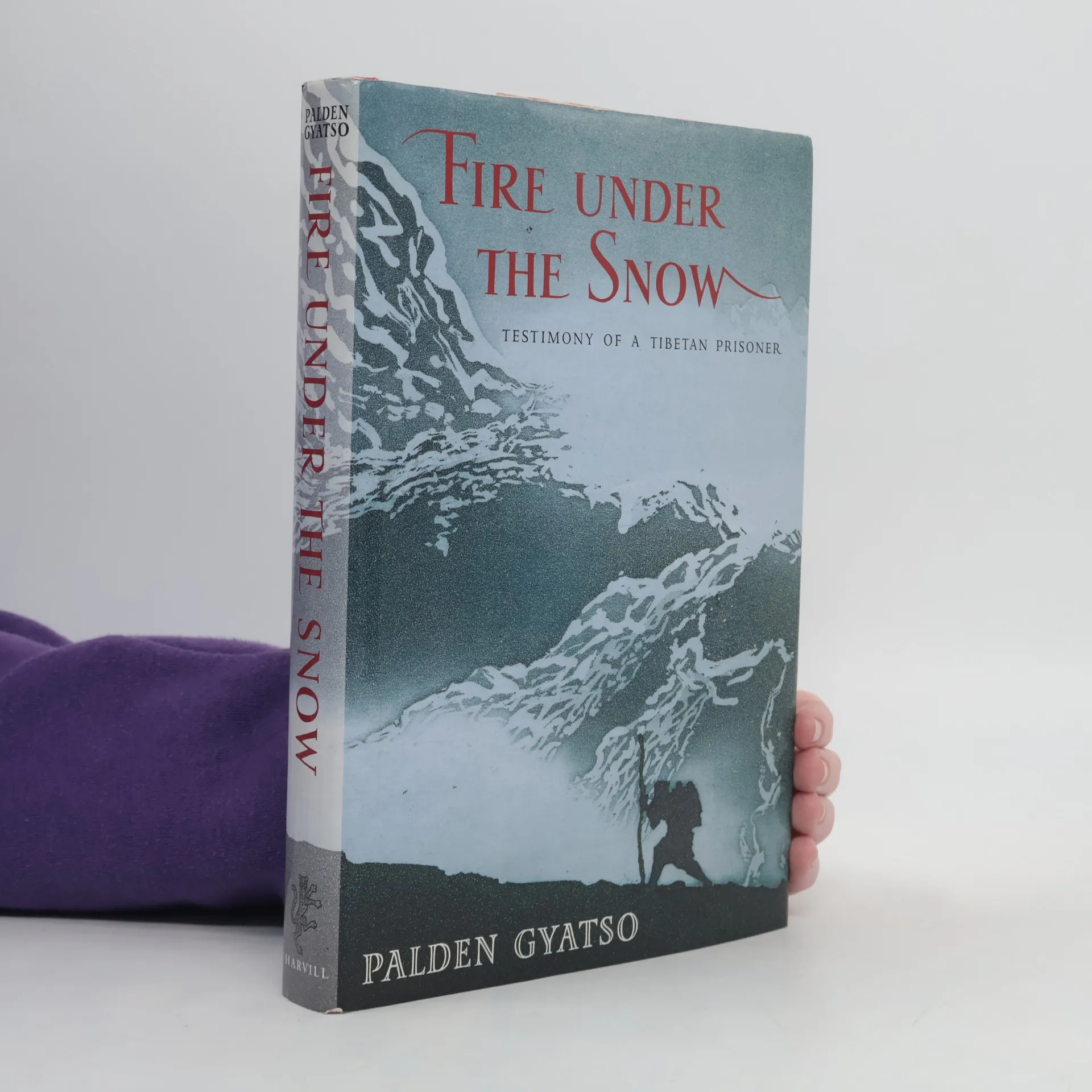
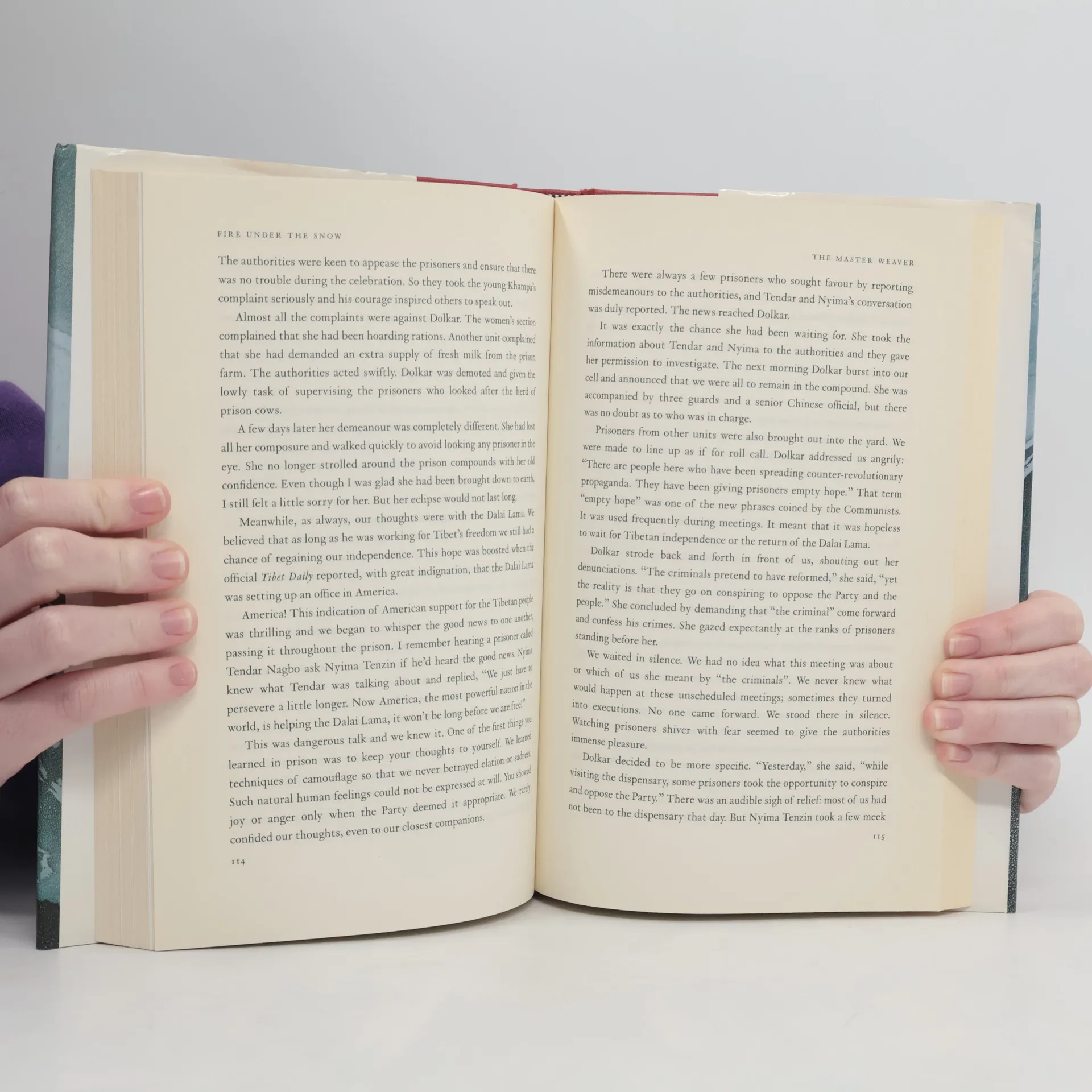
If you've ever wondered what it's like to walk in the shoes of a Tibetan monk, you're in for a shocker. Palden Gyatso followed his heart into the monastery at the age of 10 to study under his uncle, also a monk. By his mid-20s, when he should have been preparing for a higher degree, he instead found himself behind the bars of a Chinese communist prison. For the next 30 years, he would endure interrogations, deprivation, starvation, beatings, and psychological torture. When he was finally released in 1992, he fled the country, managing to smuggle out not only the names of his fellow prisoners but Chinese instruments of torture to show the world. With the help of translator Tsering Shakya, Palden Gyatso has crafted his story into a fluid yet surprisingly dispassionate account of his time in prison. Still, it is almost impossible not to be swept along on waves of pity, horror, and compassion as he suffers unspeakably at the hands of his tormentors. To understand the plight of one Tibetan monk is to step behind the eyes of an entire people. --Brian Bruya





Zakup książki
Fire Under the Snow, Palden Gyatso
- Język

- Rok wydania
- 1997
- Oprawa
- (twarda)
Metody płatności
Brakuje nam tutaj Twojej recenzji.
- Tytuł
- Fire Under the Snow
- Podtytuł
- Testimony of a Tibetan Prisoner
- Język
- angielski
- Autorzy
- Palden Gyatso
- Wydawca
- Harvill Press
- Rok wydania
- 1997
- Oprawa
- twarda
- Liczba stron
- 272
- ISBN10
- 1860461166
- ISBN13
- 9781860461163
- Seria
- Kategorie
- Tagi
- Tematy historyczne, Tematy religijne, Azja, Przemoc, Przemoc & Nadużycia, Więzienie, Rewolucja, Okrucieństwo & Terror, Tybet, Dyktatura
- Ocena
- 4,4 z 5
- Opis
- If you've ever wondered what it's like to walk in the shoes of a Tibetan monk, you're in for a shocker. Palden Gyatso followed his heart into the monastery at the age of 10 to study under his uncle, also a monk. By his mid-20s, when he should have been preparing for a higher degree, he instead found himself behind the bars of a Chinese communist prison. For the next 30 years, he would endure interrogations, deprivation, starvation, beatings, and psychological torture. When he was finally released in 1992, he fled the country, managing to smuggle out not only the names of his fellow prisoners but Chinese instruments of torture to show the world. With the help of translator Tsering Shakya, Palden Gyatso has crafted his story into a fluid yet surprisingly dispassionate account of his time in prison. Still, it is almost impossible not to be swept along on waves of pity, horror, and compassion as he suffers unspeakably at the hands of his tormentors. To understand the plight of one Tibetan monk is to step behind the eyes of an entire people. --Brian Bruya