

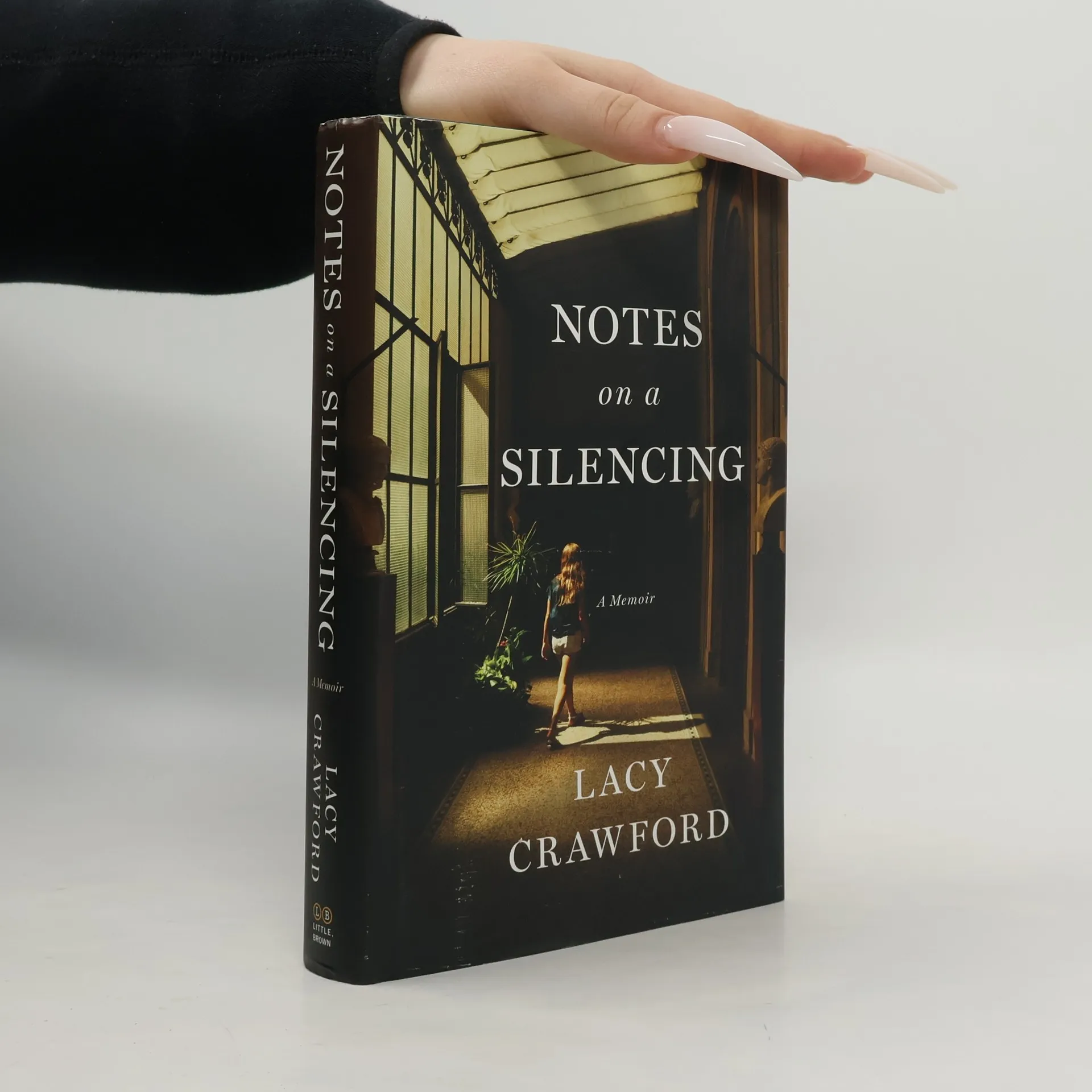
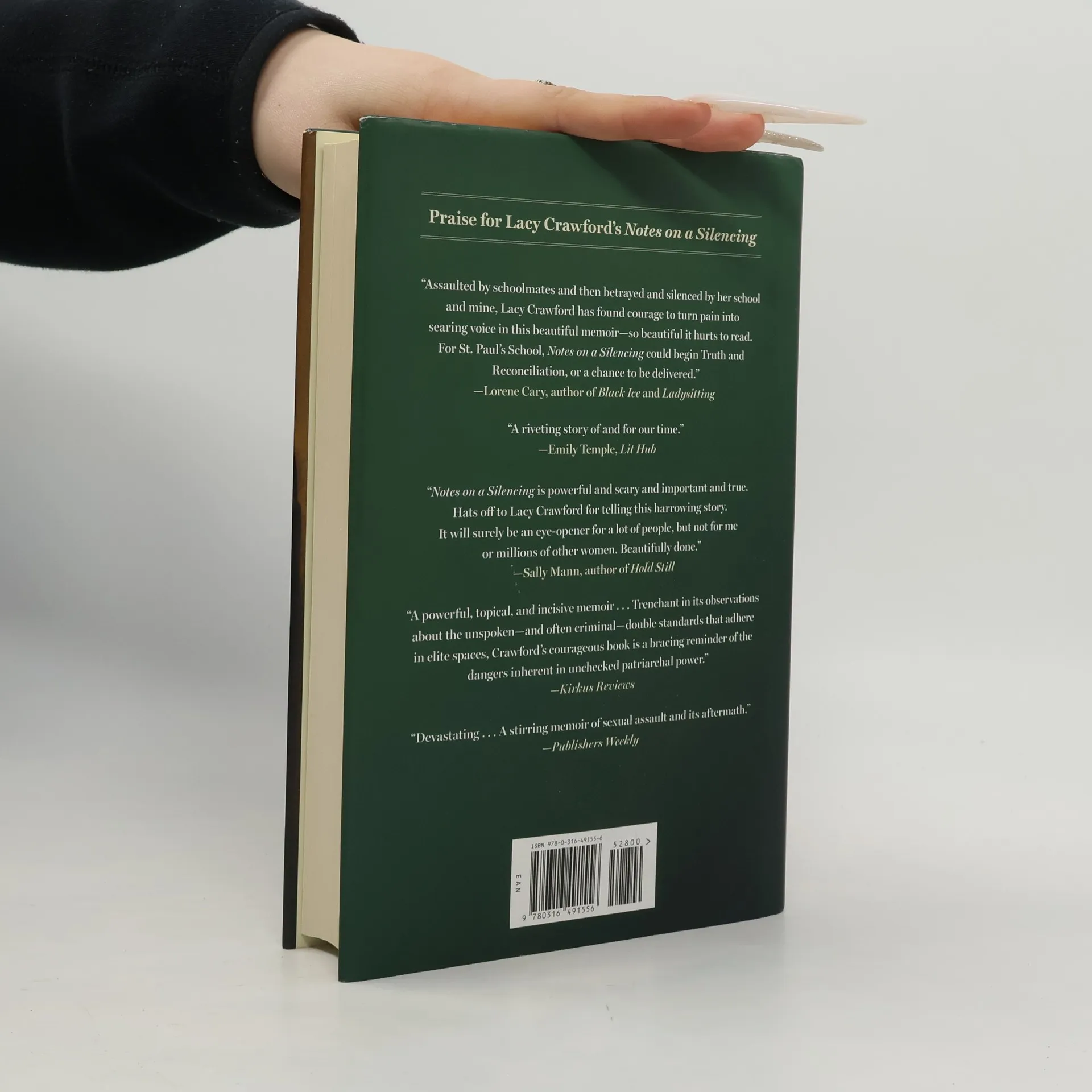

Parametry
- 400 stron
- 14 godzin czytania
Więcej o książce
When the elite St. Paul's School faced a state investigation into sexual abuse allegations, Lacy Crawford thought she had left her own traumatic experience behind. However, prompted by detectives seeking victims, she decided to come forward. As her criminal case file was reopened, she discovered evidence that validated her memories, revealing the innocent, hardworking girl she once was—a chorister and debater, the daughter of a priest—alongside the senior athletes who assaulted her and the faculty who chose to ignore the abuse. Now a wife, mother, and writer, Crawford learned that police had found significant proof of an institutional effort to silence victims, with unnamed forces still attempting to obstruct her case. The slander and neglect she faced as a student were not mere figments of trauma but actions from a school prioritizing its reputation over the well-being of a child. This realization propelled Crawford into a profound investigation into how gender, privilege, and power influenced her experiences at one of America's prestigious institutions. Her journey delves into the complexities of shame, guilt, and the dynamics of voice and silence in society. This insightful memoir raises a crucial question: what narrative will ultimately lead to justice for survivors?


Zakup książki
Notes on a Silencing, Lacy Crawford
- Język

- Rok wydania
- 2020
- Oprawa
- (twarda)
Metody płatności
Brakuje nam tutaj Twojej recenzji.
- Tytuł
- Notes on a Silencing
- Język
- angielski
- Autorzy
- Lacy Crawford
- Wydawca
- Little, Brown and Company
- Rok wydania
- 2020
- Oprawa
- twarda
- Liczba stron
- 400
- ISBN10
- 0316491551
- ISBN13
- 9780316491556
- Seria
- Kategorie
- Ocena
- 4,25 z 5
- Opis
- When the elite St. Paul's School faced a state investigation into sexual abuse allegations, Lacy Crawford thought she had left her own traumatic experience behind. However, prompted by detectives seeking victims, she decided to come forward. As her criminal case file was reopened, she discovered evidence that validated her memories, revealing the innocent, hardworking girl she once was—a chorister and debater, the daughter of a priest—alongside the senior athletes who assaulted her and the faculty who chose to ignore the abuse. Now a wife, mother, and writer, Crawford learned that police had found significant proof of an institutional effort to silence victims, with unnamed forces still attempting to obstruct her case. The slander and neglect she faced as a student were not mere figments of trauma but actions from a school prioritizing its reputation over the well-being of a child. This realization propelled Crawford into a profound investigation into how gender, privilege, and power influenced her experiences at one of America's prestigious institutions. Her journey delves into the complexities of shame, guilt, and the dynamics of voice and silence in society. This insightful memoir raises a crucial question: what narrative will ultimately lead to justice for survivors?