

Parametry
- 440 stron
- 16 godzin czytania
Więcej o książce
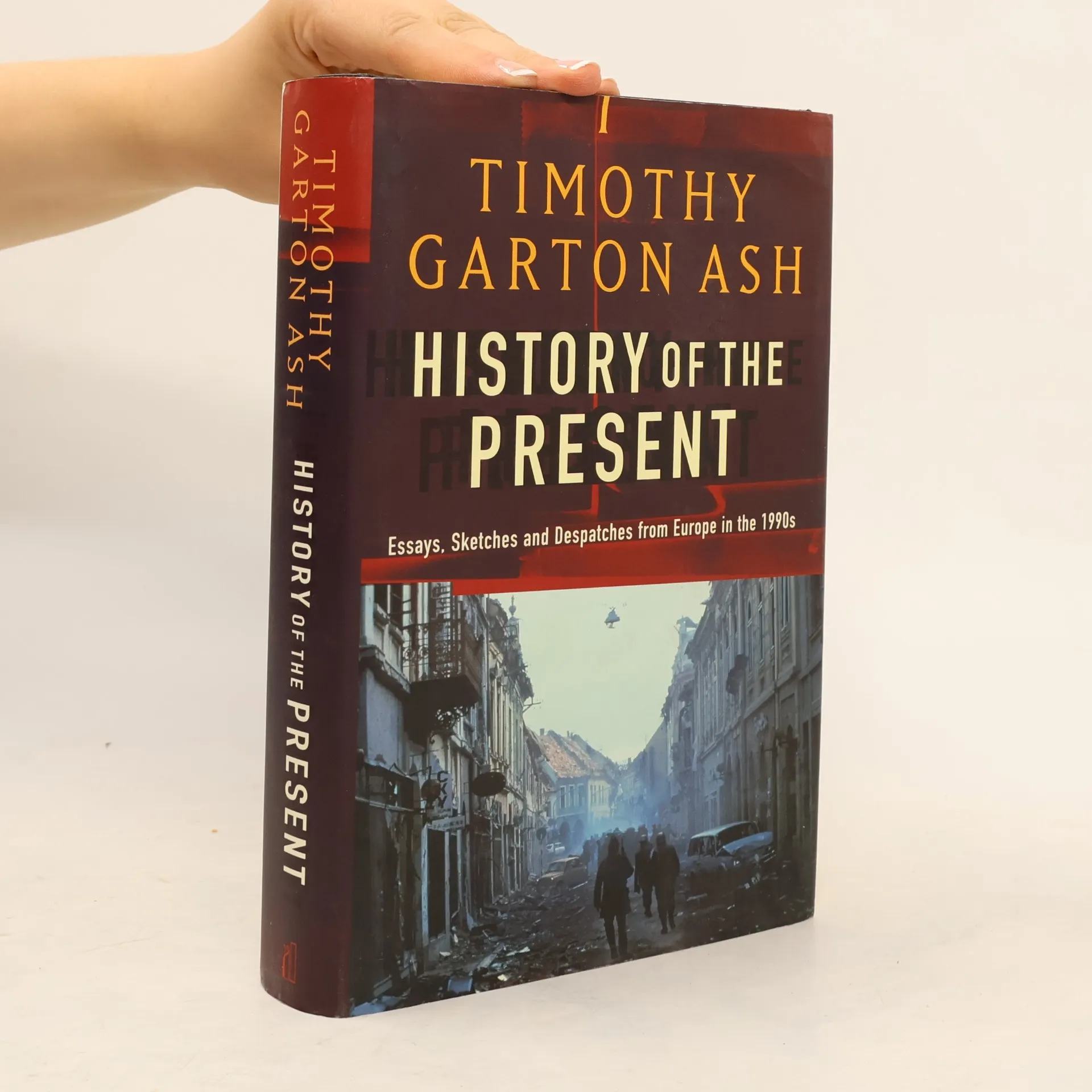
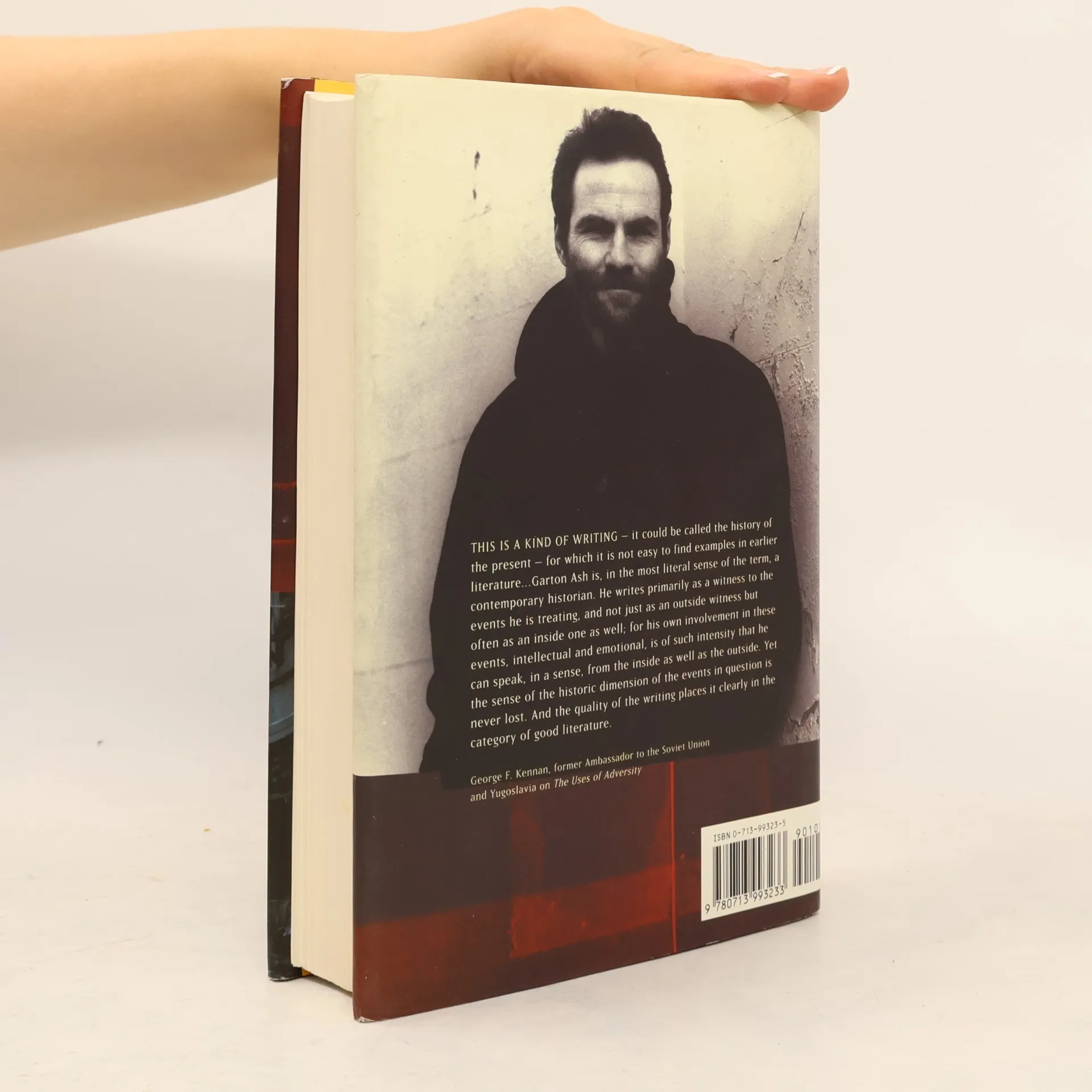
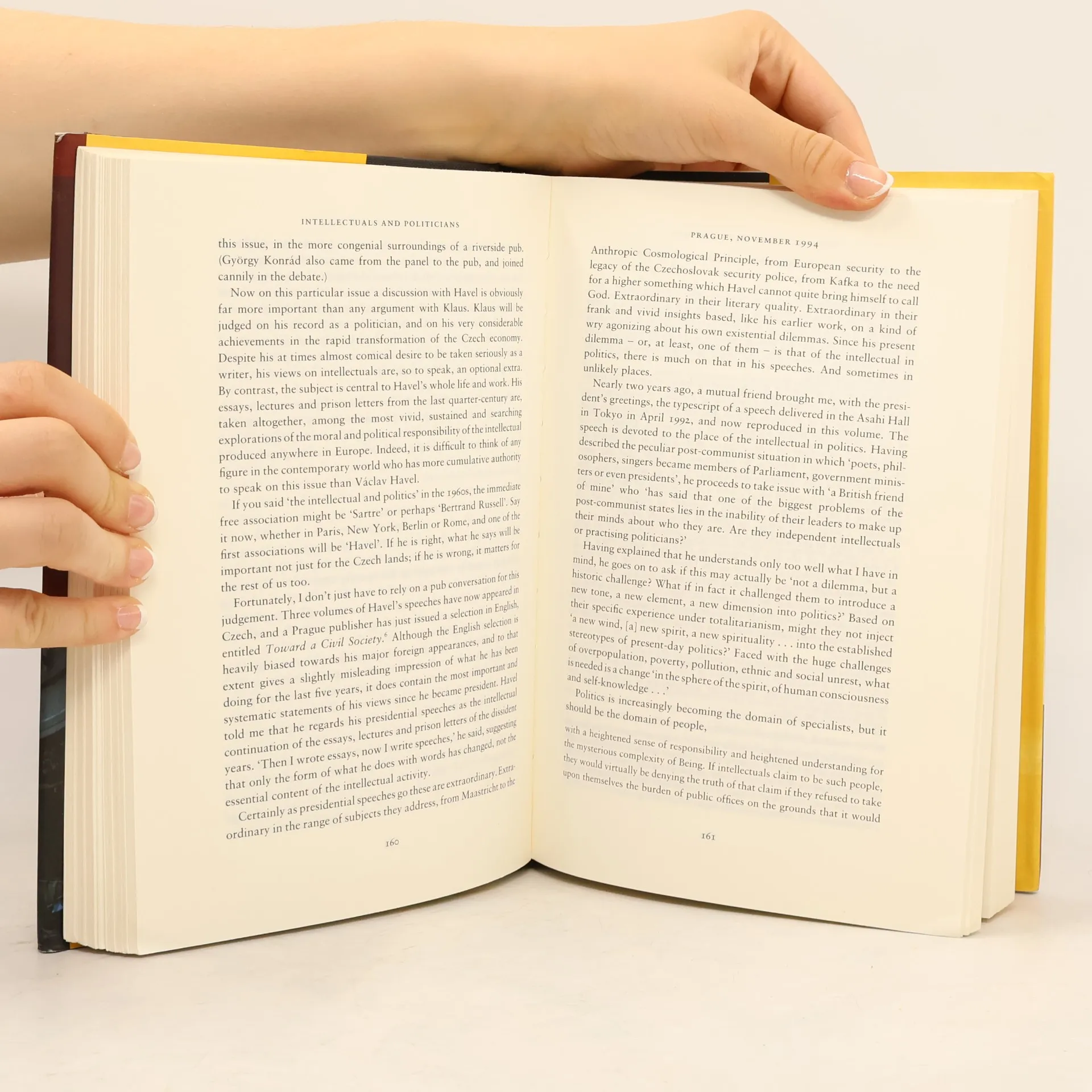
"The 1990s. An extraordinary decade in Europe. At its beginning the old order collapsed with the Berlin Wall. Everything seemed possible." "Timothy Garton Ash chronicles this best and worst of decades in a kaleidoscope of essays, sketches and despatches written as history was being made. He joins the East Germans for their decisive vote for unification and visits their former leader in prison. He accompanies the Poles on their roller-conster ride from dictatorship to democracy. He walks in mass demonstrations in Belgrade and travels through the killing fields of Kosovo. He uncover the motives for monetary union in Parts and Bonn." "Occasionally, he even becomes an actor in the drama he describes: debating Germany with Margaret Thatcher at Chequers or the role of the Intellectual with Vaclav Havel in Prague. In his introduction, he argues that we shouldn't wait until the archives are opened before starting to write the history of our own times. Then he shows how it can be done."--Jacket




Zakup książki
History of the present, Timothy Garton Ash
- Język

- Rok wydania
- 1999
- Oprawa
- (twarda),
- Stan książki
- Dobry
- Cena
- 21,17 zł
Metody płatności
Brakuje nam tutaj Twojej recenzji.
- Tytuł
- History of the present
- Język
- angielski
- Autorzy
- Timothy Garton Ash
- Wydawca
- Allen Lane
- Rok wydania
- 1999
- Oprawa
- twarda
- Liczba stron
- 440
- ISBN10
- 0713993235
- ISBN13
- 9780713993233
- Seria
- Kategorie
- Tagi
- Tematy historyczne, Polityka, Literatura brytyjska, Historia Europy, Dziennikarstwo & Publicystyka
- Oryginalna nazwa
- History of the present
- Ocena
- 3,6 z 5
- Opis
- "The 1990s. An extraordinary decade in Europe. At its beginning the old order collapsed with the Berlin Wall. Everything seemed possible." "Timothy Garton Ash chronicles this best and worst of decades in a kaleidoscope of essays, sketches and despatches written as history was being made. He joins the East Germans for their decisive vote for unification and visits their former leader in prison. He accompanies the Poles on their roller-conster ride from dictatorship to democracy. He walks in mass demonstrations in Belgrade and travels through the killing fields of Kosovo. He uncover the motives for monetary union in Parts and Bonn." "Occasionally, he even becomes an actor in the drama he describes: debating Germany with Margaret Thatcher at Chequers or the role of the Intellectual with Vaclav Havel in Prague. In his introduction, he argues that we shouldn't wait until the archives are opened before starting to write the history of our own times. Then he shows how it can be done."--Jacket