

Więcej o książce
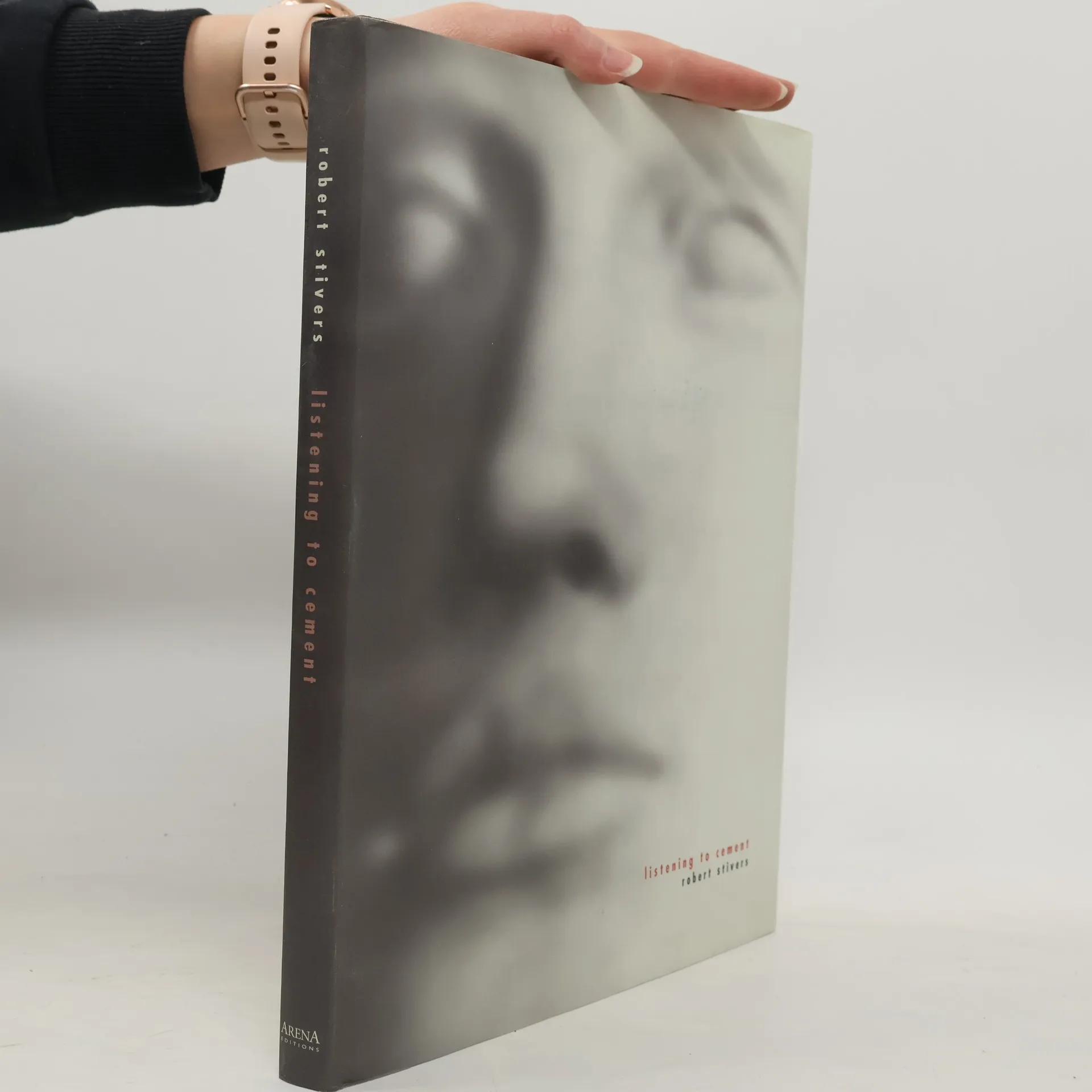
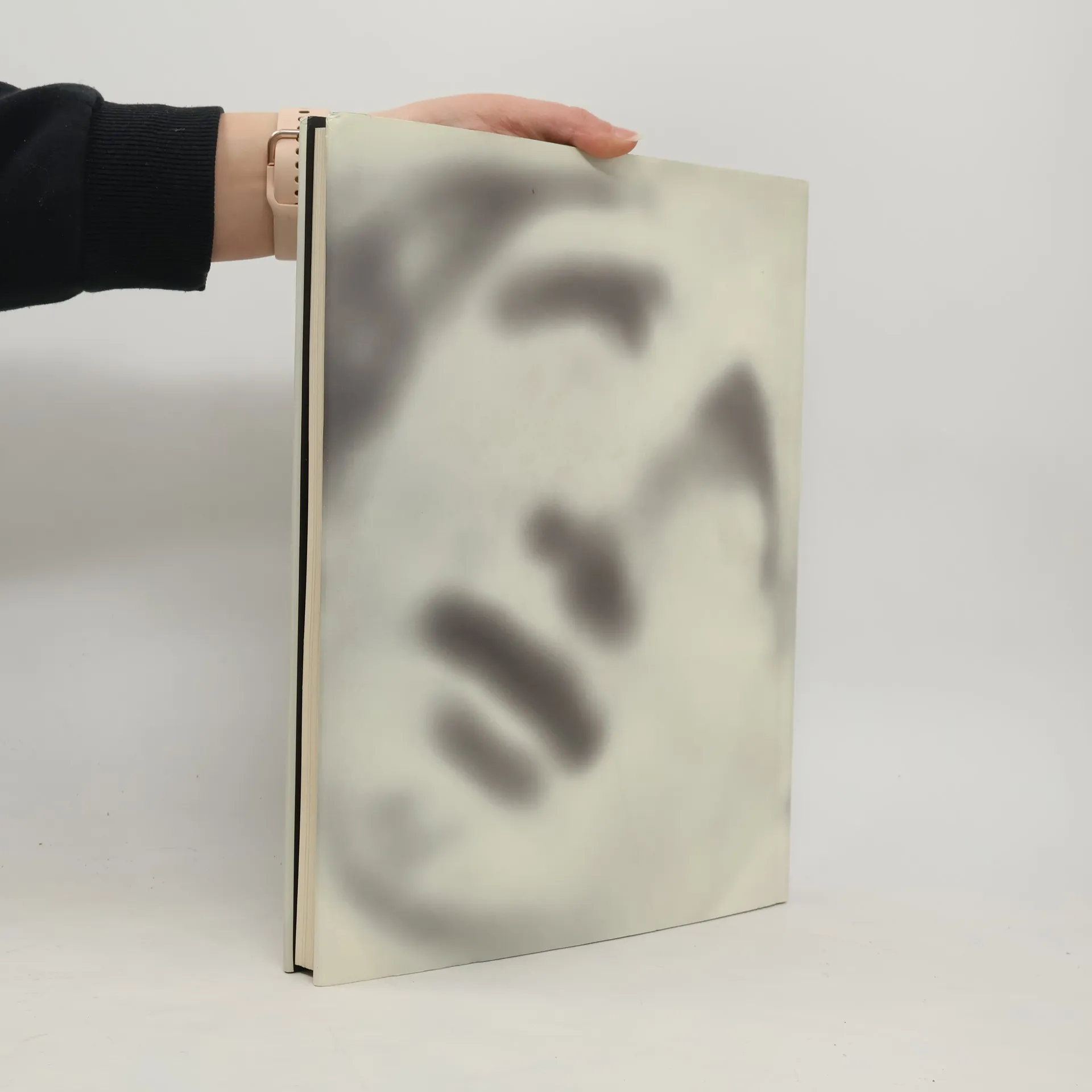
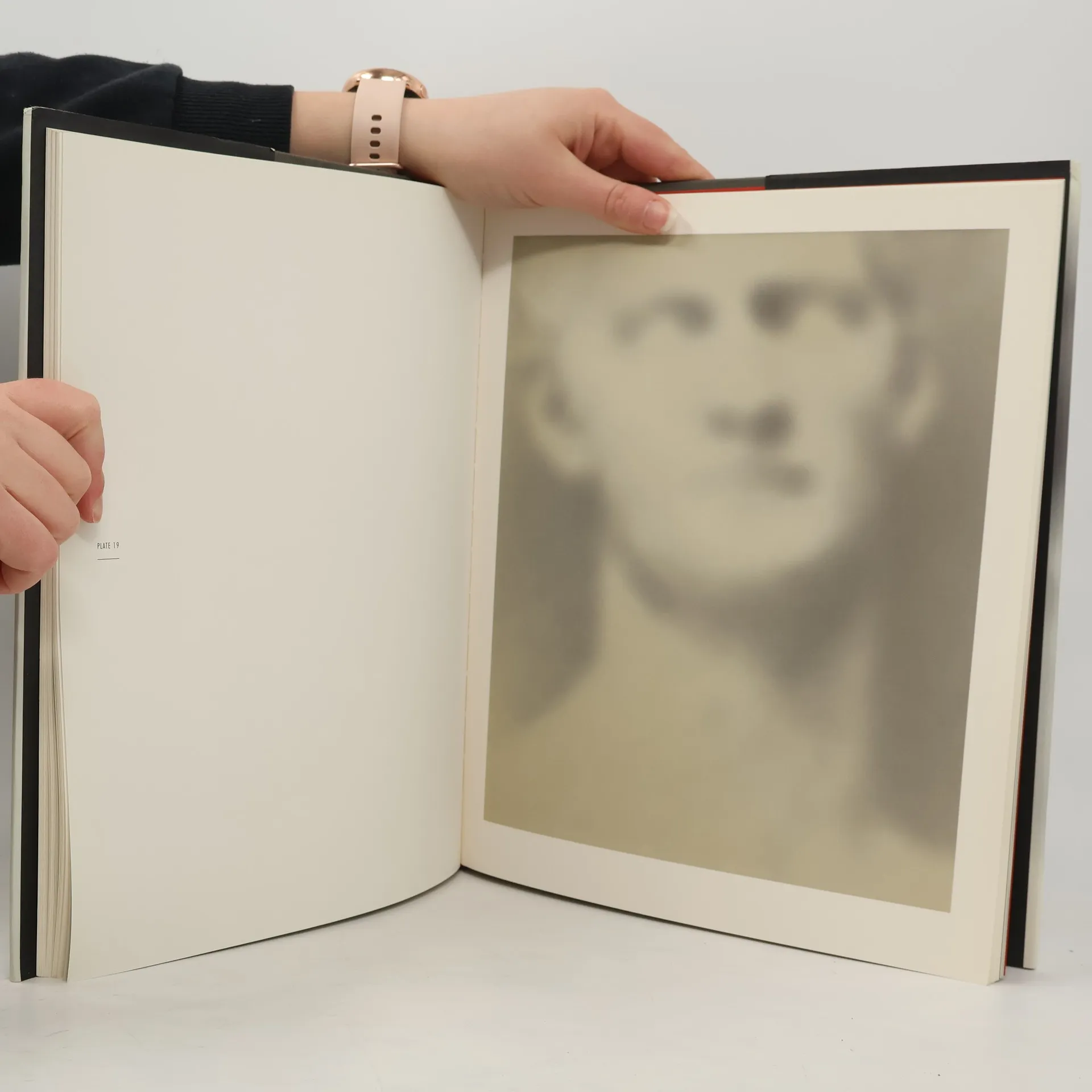
Robert Stivers has quickly emerged as one of the foremost contemporary photographers. In this, his second book of photographs in three years, Stivers extends, deepens, and complicates the themes of mystery and movement, sensuality and spirituality, and the search for individual identity that occupied him in his first book, Robert Photographs, (1997). In his new work, he juxtaposes the human figure with architectural images, thus pointing to the reciprocity between consciousness and a sense of place that is central to an understanding of the self. The aesthetic throughout couples soft focus with rich and subtle textures and tones, resulting in a collection that is amazingly coherent despite (or because of) its haunting and mysterious qualities. In Stivers's world, of figures dancing around and through columns and curves of stones, nothing is ever static-there is constant movement and continual flux, not only of the self, but also of time and place. He seems to suggest that the quest for identity resides in a void of disorientation, but it is a void that can be redeemed by the wonderment and mystery of an unseen spiritual world.


Zakup książki
Listening to Cement, Robert Stivers, John Stauffer
- Język

- Rok wydania
- 2000
- Oprawa
- (twarda)
Metody płatności
Brakuje nam tutaj Twojej recenzji.
- Tytuł
- Listening to Cement
- Język
- angielski
- Autorzy
- Robert Stivers, John Stauffer
- Wydawca
- Arena Editions
- Rok wydania
- 2000
- Oprawa
- twarda
- Liczba stron
- 112
- ISBN10
- 1892041332
- ISBN13
- 9781892041333
- Seria
- Kategorie
- Tagi
- Sztuki piękne
- Ocena
- 4 z 5
- Opis
- Robert Stivers has quickly emerged as one of the foremost contemporary photographers. In this, his second book of photographs in three years, Stivers extends, deepens, and complicates the themes of mystery and movement, sensuality and spirituality, and the search for individual identity that occupied him in his first book, Robert Photographs, (1997). In his new work, he juxtaposes the human figure with architectural images, thus pointing to the reciprocity between consciousness and a sense of place that is central to an understanding of the self. The aesthetic throughout couples soft focus with rich and subtle textures and tones, resulting in a collection that is amazingly coherent despite (or because of) its haunting and mysterious qualities. In Stivers's world, of figures dancing around and through columns and curves of stones, nothing is ever static-there is constant movement and continual flux, not only of the self, but also of time and place. He seems to suggest that the quest for identity resides in a void of disorientation, but it is a void that can be redeemed by the wonderment and mystery of an unseen spiritual world.