

Więcej o książce
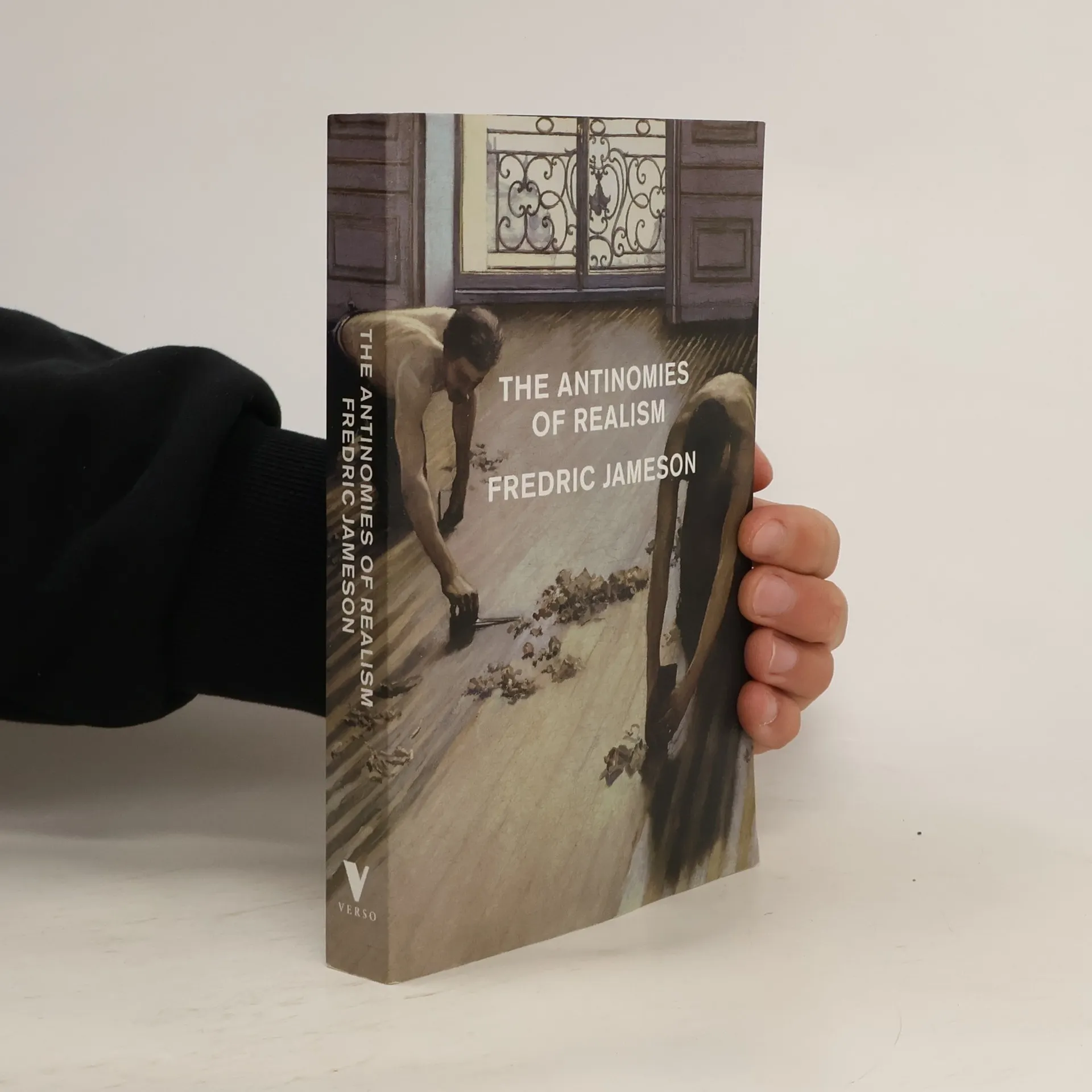
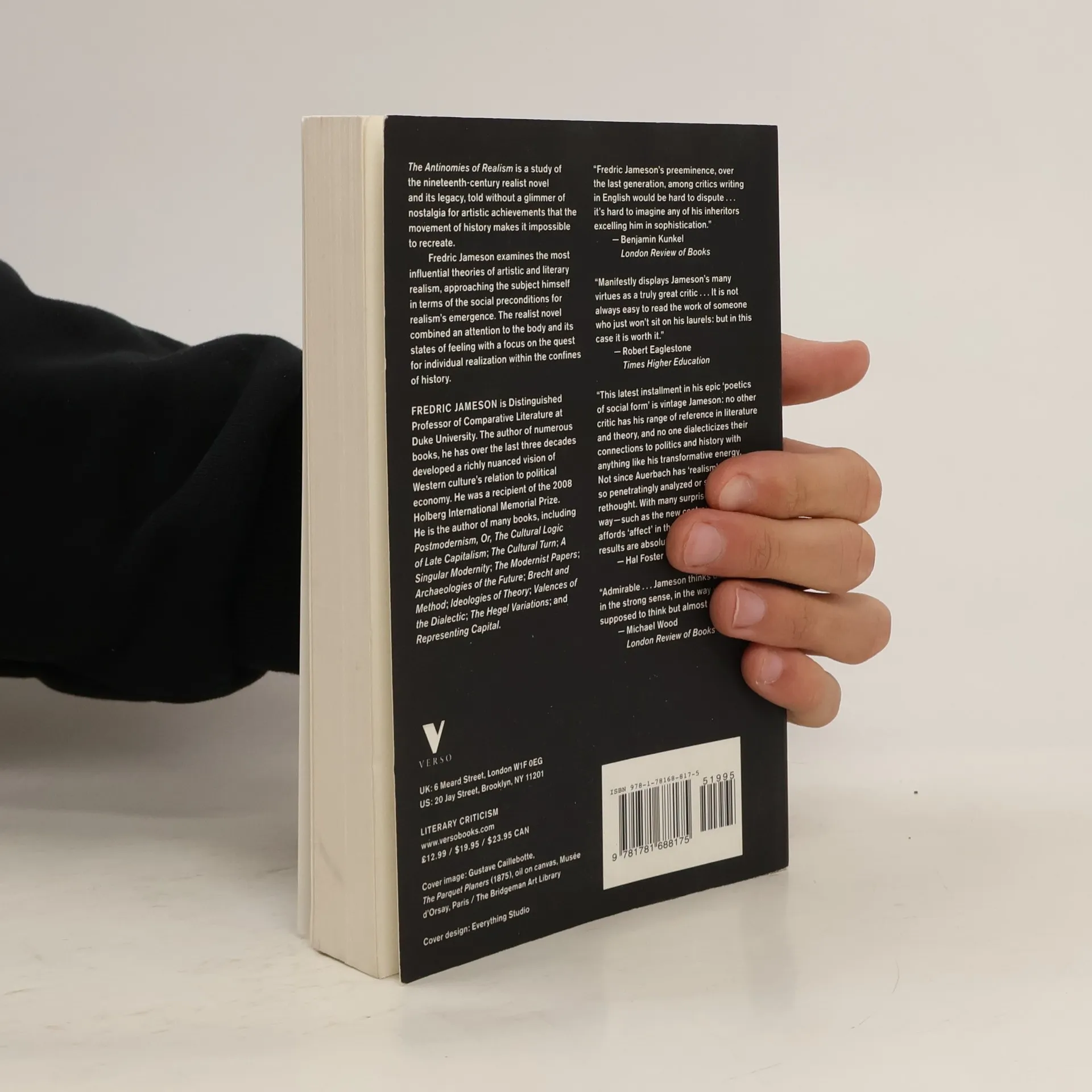
This work explores the history of the nineteenth-century realist novel and its enduring influence, devoid of nostalgia for artistic achievements that history has rendered impossible to replicate. The inimitable works of Zola, Tolstoy, Perez Galdos, and George Eliot continue to shape the novel form today. Contemporary novels grapple with reconciling their social conditions with this literary tradition, leading to modernist approaches and a diminished variety of commercial narratives often labeled as "serious novels," which attempt to revert to the past. Fredric Jameson investigates key theories of artistic and literary realism, framing the discussion around the social and historical conditions that enabled realism's rise. The realist novel uniquely combined a focus on the body and emotional states with the quest for individual realization amid historical constraints. Today, new forms of representation—beyond the simplistic label of "postmodern"—are emerging, as seen in Hilary Mantel's historical fiction and David Mitchell's stylistic diversity. Contemporary fiction engages in bold experiments that reflect the complexities of global social realities, modern warfare, and historical shifts, often revealed through unconventional artistic techniques. In a concluding section, Jameson discusses how "realistic" narratives have persisted beyond classical realism, advocating for a serious examination of popular fiction and mass culture t


Zakup książki
The Antinomies of Realism, Fredric Jameson
- Język

- Rok wydania
- 2015
- Oprawa
- (miękka)
Metody płatności
Brakuje nam tutaj Twojej recenzji.
- Tytuł
- The Antinomies of Realism
- Język
- angielski
- Autorzy
- Fredric Jameson
- Wydawca
- Verso Books
- Rok wydania
- 2015
- Oprawa
- miękka
- ISBN10
- 1781688176
- ISBN13
- 9781781688175
- Seria
- Kategorie
- Ocena
- 3,95 z 5
- Opis
- This work explores the history of the nineteenth-century realist novel and its enduring influence, devoid of nostalgia for artistic achievements that history has rendered impossible to replicate. The inimitable works of Zola, Tolstoy, Perez Galdos, and George Eliot continue to shape the novel form today. Contemporary novels grapple with reconciling their social conditions with this literary tradition, leading to modernist approaches and a diminished variety of commercial narratives often labeled as "serious novels," which attempt to revert to the past. Fredric Jameson investigates key theories of artistic and literary realism, framing the discussion around the social and historical conditions that enabled realism's rise. The realist novel uniquely combined a focus on the body and emotional states with the quest for individual realization amid historical constraints. Today, new forms of representation—beyond the simplistic label of "postmodern"—are emerging, as seen in Hilary Mantel's historical fiction and David Mitchell's stylistic diversity. Contemporary fiction engages in bold experiments that reflect the complexities of global social realities, modern warfare, and historical shifts, often revealed through unconventional artistic techniques. In a concluding section, Jameson discusses how "realistic" narratives have persisted beyond classical realism, advocating for a serious examination of popular fiction and mass culture t