

Więcej o książce
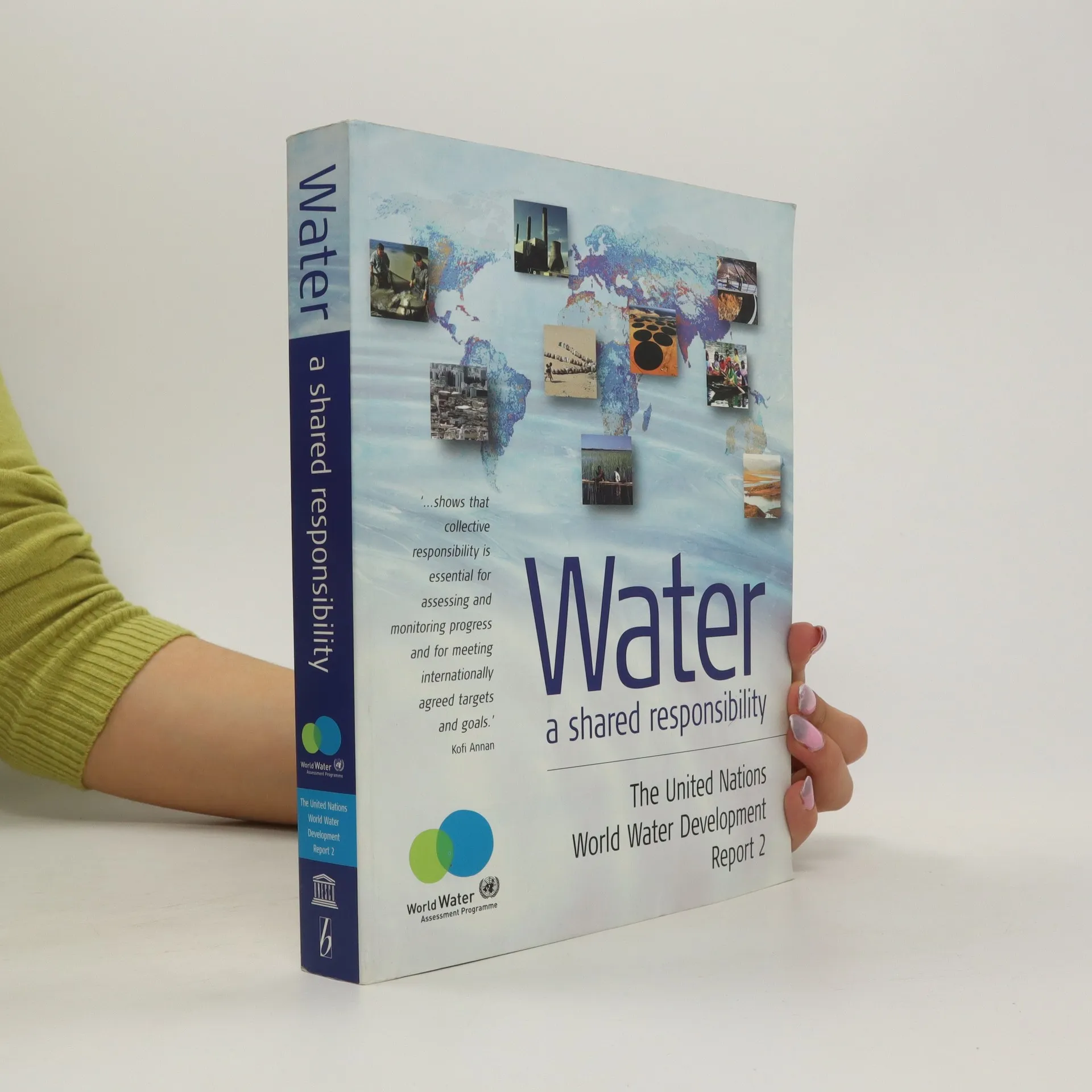
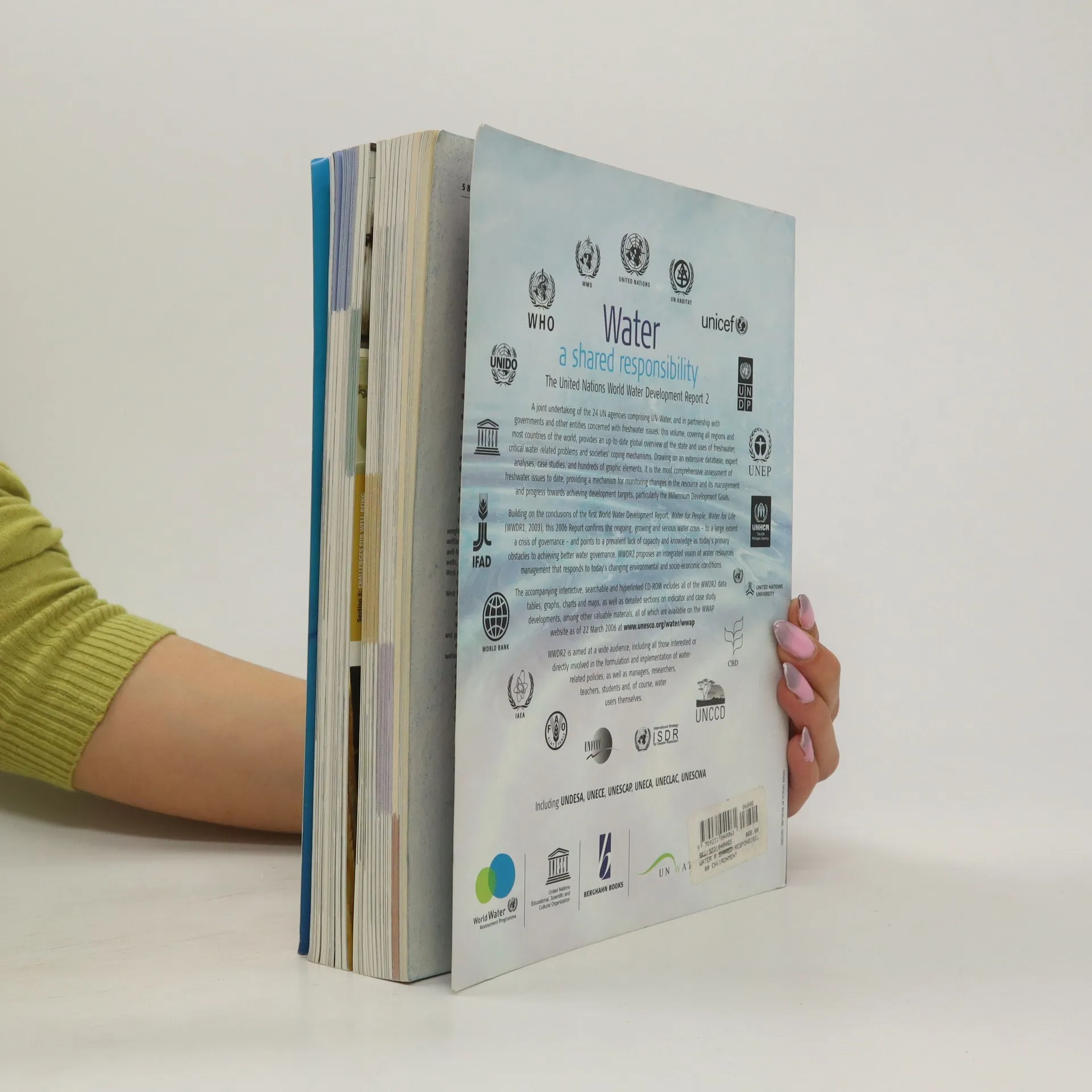
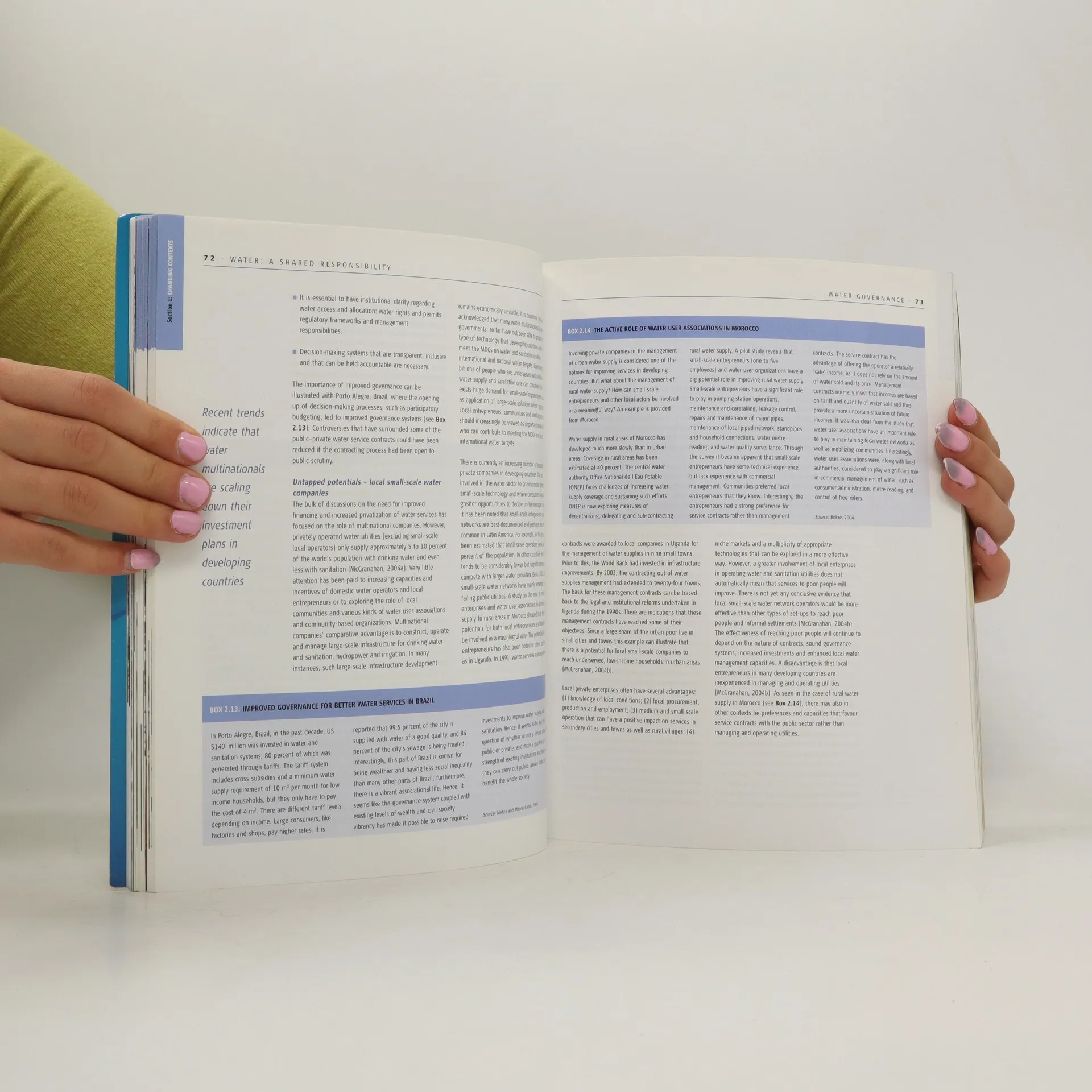
This illustrated report sets out a global review of the state of the world's freshwater resources, based on the collective work of 24 United Nations agencies, following on from the conclusions of the first UN World Water Development Report 'Water for People, Water for Life' published in 2003 (ISBN 9231038818). This second edition discusses progress towards the water-related targets of the UN Millennium Development Goals and examines a range of key issues including population growth and increasing urbanisation, changing ecosystems, food production, health, industry and energy, as well as risk management, valuing and paying for water and increasing knowledge and capacity. It contains 16 case studies which consider key challenges in water resource management and makes a number of recommendations to guide future action and encourage sustainable use, productivity and management of our increasingly scarce freshwater resources.
Zakup książki
Water. A Shared Responsibility, kolektiv
- Język

- Rok wydania
- 2006
- Oprawa
- (miękka)
Metody płatności
Nikt jeszcze nie ocenił.
- Tytuł
- Water. A Shared Responsibility
- Język
- angielski
- Autorzy
- kolektiv
- Wydawca
- Berghahn Books
- Rok wydania
- 2006
- Oprawa
- miękka
- Liczba stron
- 584
- ISBN10
- 9231040065
- ISBN13
- 9789231040061
- Seria
- Opis
- This illustrated report sets out a global review of the state of the world's freshwater resources, based on the collective work of 24 United Nations agencies, following on from the conclusions of the first UN World Water Development Report 'Water for People, Water for Life' published in 2003 (ISBN 9231038818). This second edition discusses progress towards the water-related targets of the UN Millennium Development Goals and examines a range of key issues including population growth and increasing urbanisation, changing ecosystems, food production, health, industry and energy, as well as risk management, valuing and paying for water and increasing knowledge and capacity. It contains 16 case studies which consider key challenges in water resource management and makes a number of recommendations to guide future action and encourage sustainable use, productivity and management of our increasingly scarce freshwater resources.