



Więcej o książce
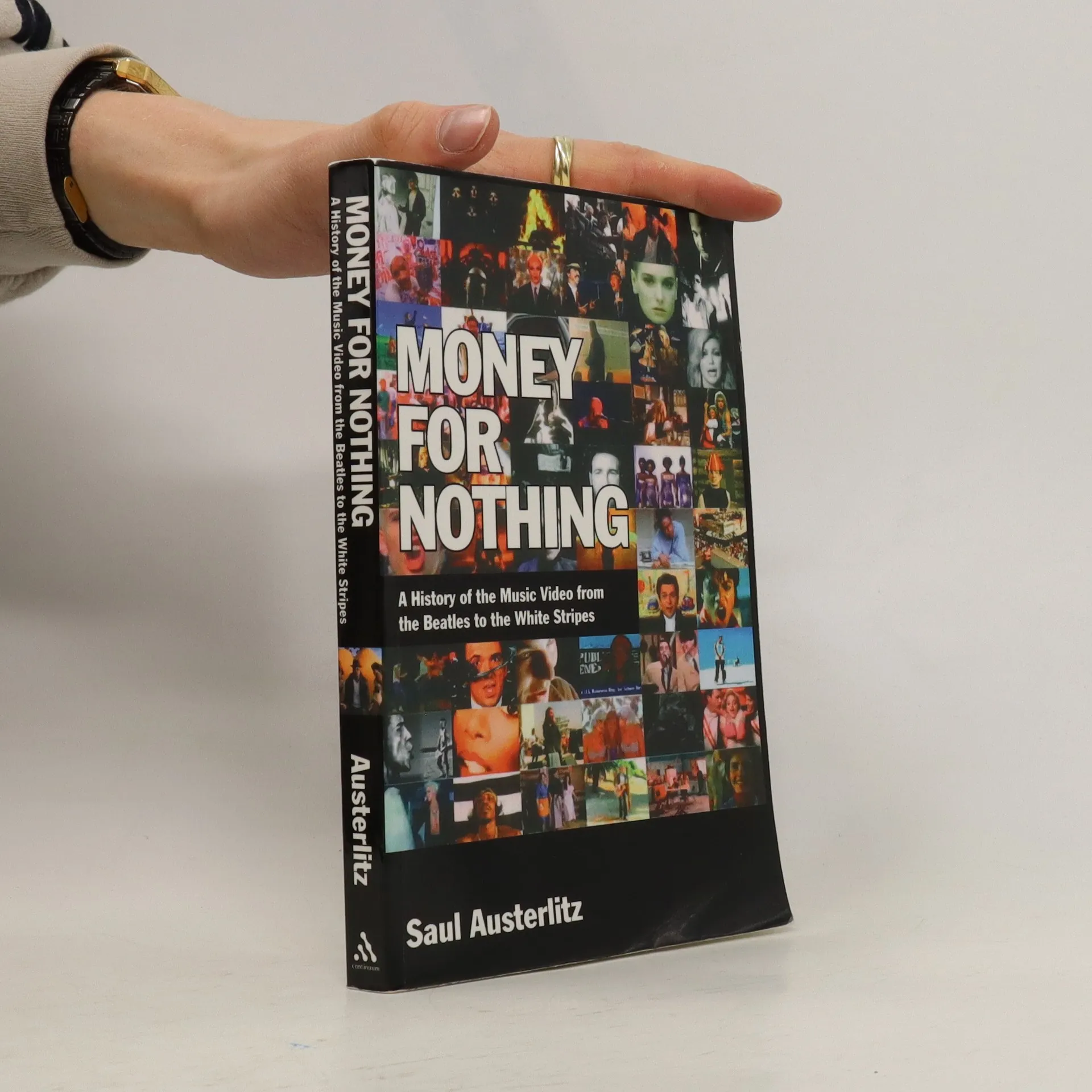
Imagine sitting in a darkened theater or gazing at a television screen as a unique history unfolds. This narrative skips over the giants of cinema, instead showcasing a montage of vibrant images: Britishmen cartwheeling, a tap dancer on a sidewalk, a wedding party in a downpour, and a classroom tragedy. These scenes, while diverse, coalesce into a coherent theme, shifting rapidly in style and form. Each image seems to follow a guiding logic, leading to a final shot of a Brooklyn street shooting. Suddenly, it clicks: these are all music videos, the short films that dominated airwaves and left a lasting impact on MTV's generation. Though the music video medium seems to have waned, with MTV and VH1 evolving into lifestyle channels and other networks catering to niche audiences, its significance remains. Saul Austerlitz's insightful exploration of the music video delves into its origins, functions, stars, and artistic conventions. He presents the music video as a captivating blend of fleeting genius and cultural commentary, capable of conveying wit and emotion in a brief format. Austerlitz's engaging narrative seeks to revive the memory of this ephemeral art form, highlighting its role as a compelling marker of cultural history.


Zakup książki
Money for Nothing, Saul Austerlitz
- Język

- Rok wydania
- 2008
- Oprawa
- (miękka)
Metody płatności
Brakuje nam tutaj Twojej recenzji.
- Tytuł
- Money for Nothing
- Język
- angielski
- Autorzy
- Saul Austerlitz
- Wydawca
- Continuum
- Rok wydania
- 2008
- Oprawa
- miękka
- Liczba stron
- 268
- ISBN10
- 0826429580
- ISBN13
- 9780826429582
- Seria
- Ocena
- 3,1 z 5
- Opis
- Imagine sitting in a darkened theater or gazing at a television screen as a unique history unfolds. This narrative skips over the giants of cinema, instead showcasing a montage of vibrant images: Britishmen cartwheeling, a tap dancer on a sidewalk, a wedding party in a downpour, and a classroom tragedy. These scenes, while diverse, coalesce into a coherent theme, shifting rapidly in style and form. Each image seems to follow a guiding logic, leading to a final shot of a Brooklyn street shooting. Suddenly, it clicks: these are all music videos, the short films that dominated airwaves and left a lasting impact on MTV's generation. Though the music video medium seems to have waned, with MTV and VH1 evolving into lifestyle channels and other networks catering to niche audiences, its significance remains. Saul Austerlitz's insightful exploration of the music video delves into its origins, functions, stars, and artistic conventions. He presents the music video as a captivating blend of fleeting genius and cultural commentary, capable of conveying wit and emotion in a brief format. Austerlitz's engaging narrative seeks to revive the memory of this ephemeral art form, highlighting its role as a compelling marker of cultural history.