

Więcej o książce
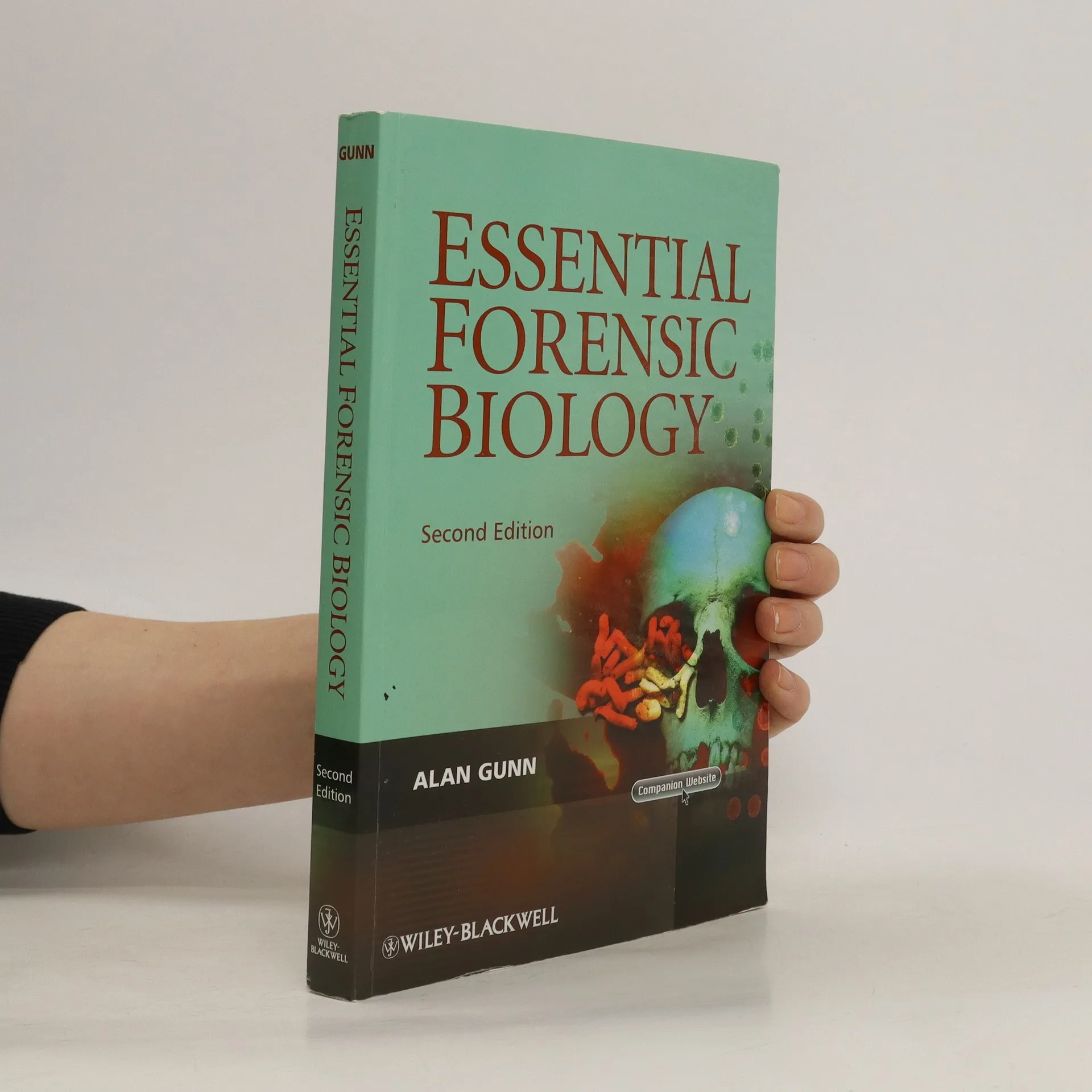
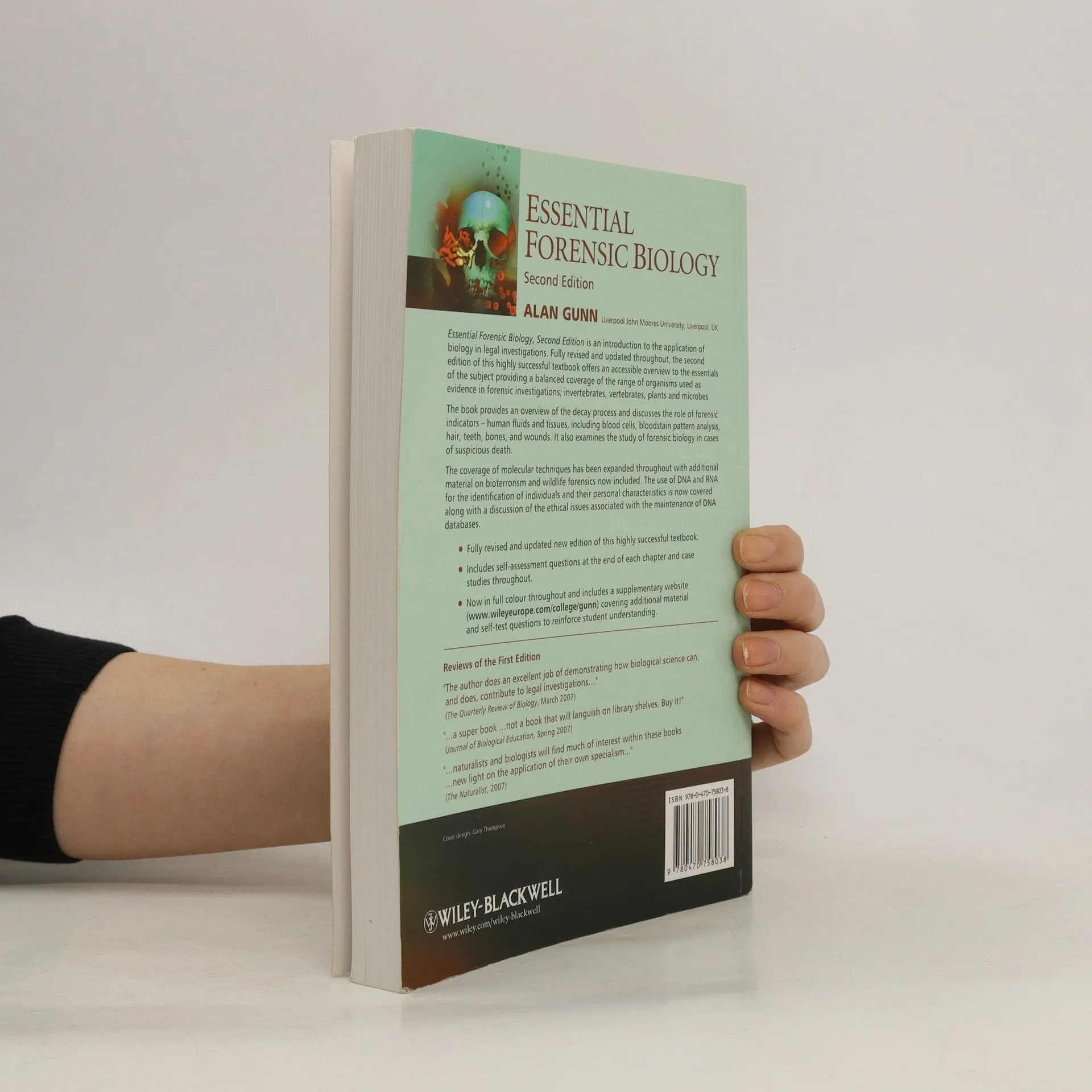
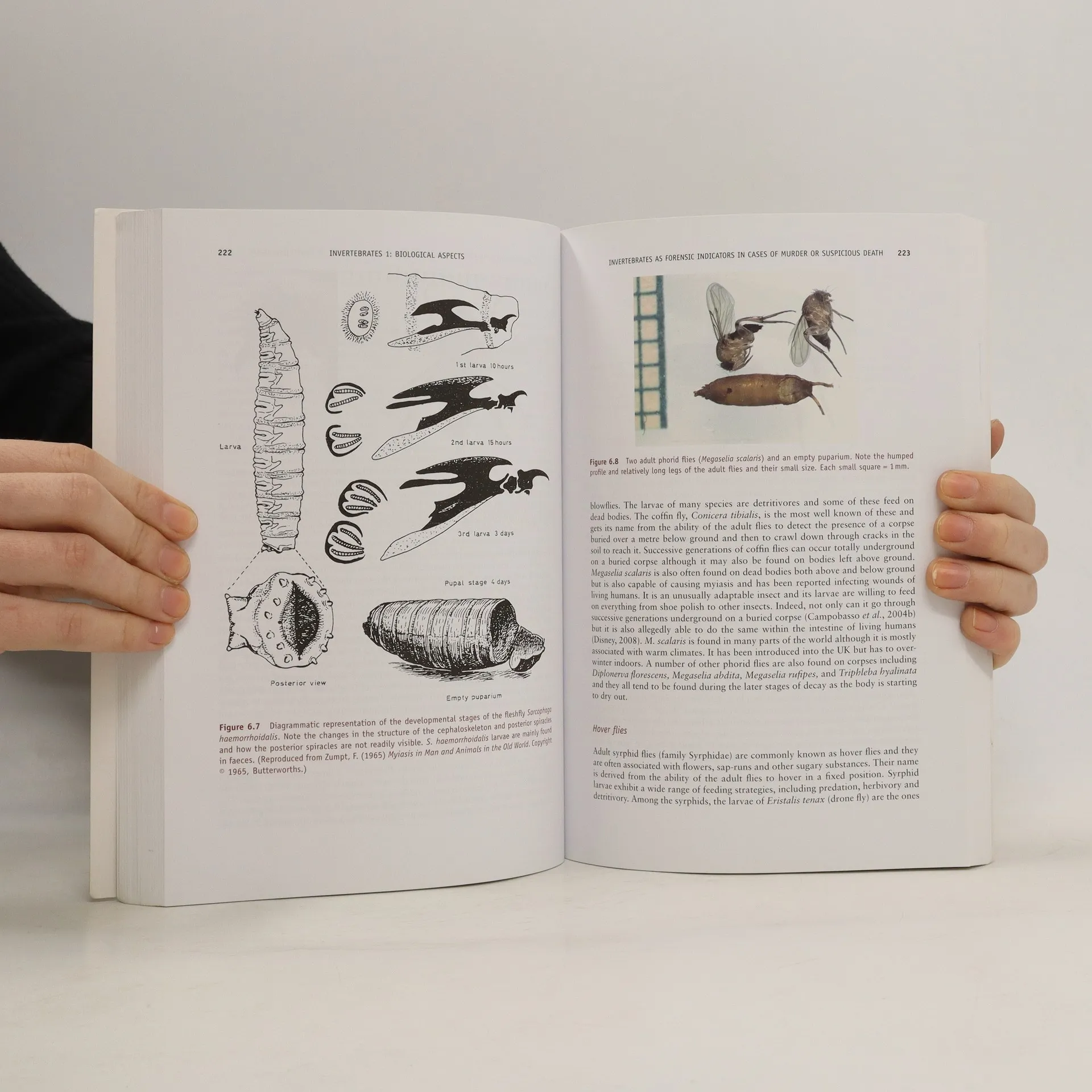
This book introduces the application of biology in legal investigations, providing a comprehensive overview of essential concepts. The fully revised second edition covers a range of organisms used as evidence in forensics, including invertebrates, vertebrates, plants, and microbes. It discusses the decay process and the role of forensic indicators such as human fluids, blood cells, hair, teeth, bones, and wounds, particularly in cases of suspicious death. The coverage of molecular techniques has been expanded, with new material on bioterrorism and wildlife forensics. It addresses the use of DNA and RNA for individual identification and the ethical implications of maintaining DNA databases. The textbook features self-assessment questions at the end of each chapter and includes case studies, now presented in full color. A supplementary website offers additional material and self-test questions to enhance student understanding. Reviews of the first edition praise its contribution to legal investigations and recommend it as a valuable resource for naturalists and biologists alike. Overall, it is highly regarded for its engaging content, despite some sad or gruesome topics.


Zakup książki
Essential Forensic Biology, Alan Gunn
- Język

- Rok wydania
- 2009
- Oprawa
- (miękka)
Metody płatności
Brakuje nam tutaj Twojej recenzji.
- Tytuł
- Essential Forensic Biology
- Język
- angielski
- Autorzy
- Alan Gunn
- Wydawca
- Wiley-Blackwell
- Rok wydania
- 2009
- Oprawa
- miękka
- ISBN10
- 0470758031
- ISBN13
- 9780470758038
- Seria
- Ocena
- 4,2 z 5
- Opis
- This book introduces the application of biology in legal investigations, providing a comprehensive overview of essential concepts. The fully revised second edition covers a range of organisms used as evidence in forensics, including invertebrates, vertebrates, plants, and microbes. It discusses the decay process and the role of forensic indicators such as human fluids, blood cells, hair, teeth, bones, and wounds, particularly in cases of suspicious death. The coverage of molecular techniques has been expanded, with new material on bioterrorism and wildlife forensics. It addresses the use of DNA and RNA for individual identification and the ethical implications of maintaining DNA databases. The textbook features self-assessment questions at the end of each chapter and includes case studies, now presented in full color. A supplementary website offers additional material and self-test questions to enhance student understanding. Reviews of the first edition praise its contribution to legal investigations and recommend it as a valuable resource for naturalists and biologists alike. Overall, it is highly regarded for its engaging content, despite some sad or gruesome topics.