

Parametry
- 312 stron
- 11 godzin czytania
Więcej o książce
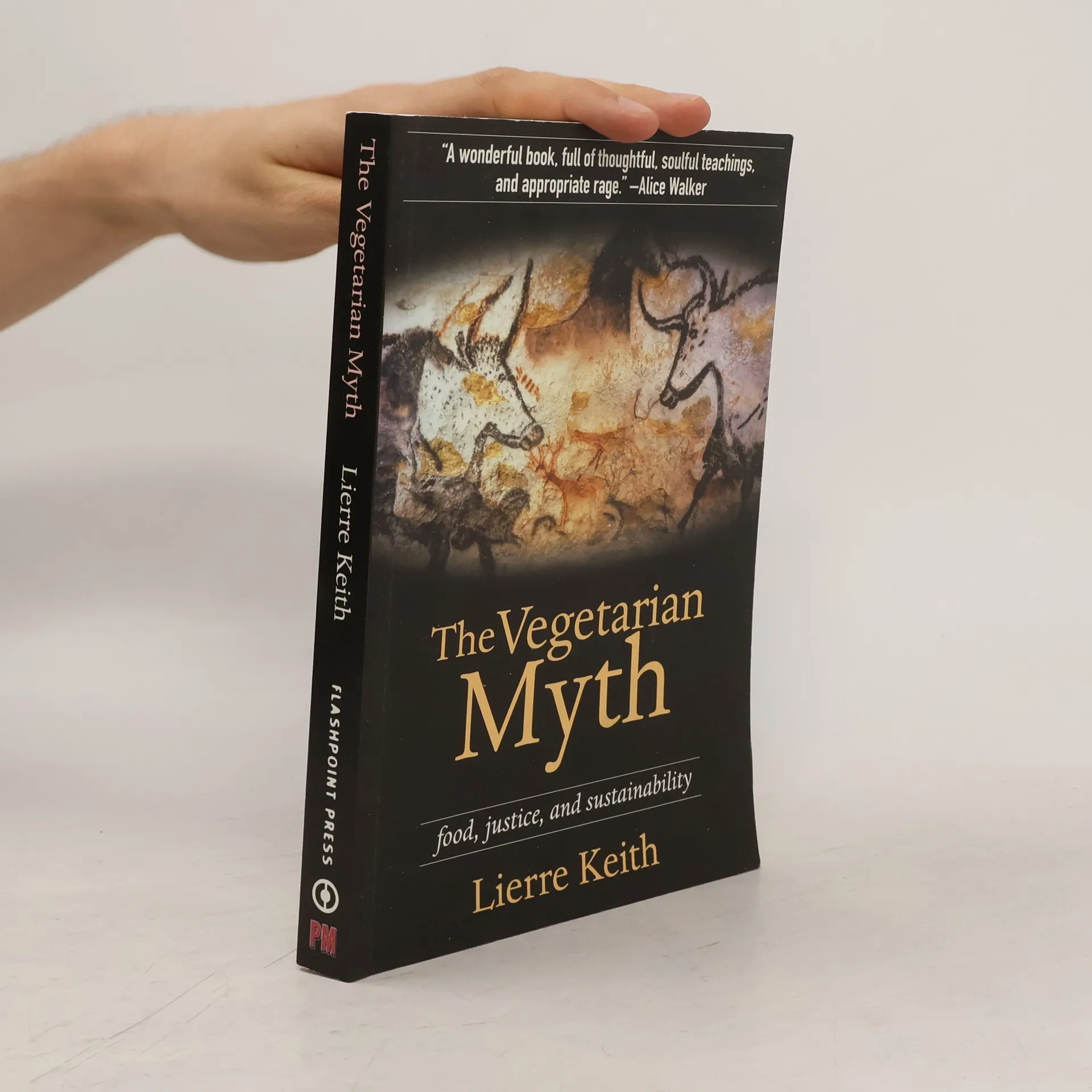
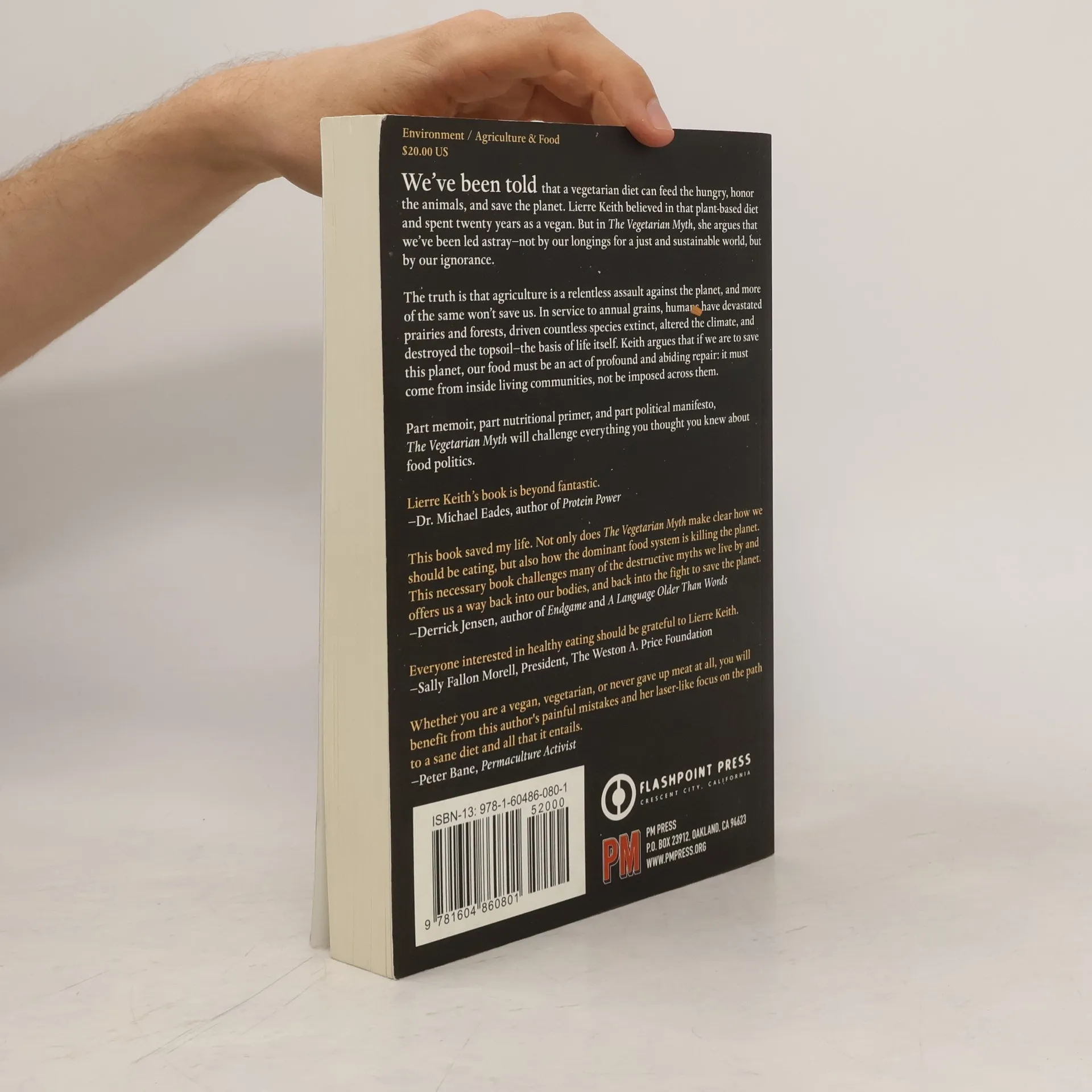
Part memoir, nutritional primer, and political manifesto, this controversial examination exposes the destructive history of agriculture—causing the devastation of prairies and forests, driving countless species extinct, altering the climate, and destroying the topsoil—and asserts that, in order to save the planet, food must come from within living communities. In order for this to happen, the argument champions eating locally and sustainably and encourages those with the resources to grow their own food. Further examining the question of what to eat from the perspective of both human and environmental health, the account goes beyond health choices and discusses potential moral issues from eating—or not eating—animals. Through the deeply personal narrative of someone who practiced veganism for 20 years, this unique exploration also discusses alternatives to industrial farming, reveals the risks of a vegan diet, and explains why animals belong on ecologically sound farms.

Zakup książki
The Vegetarian Myth, Lierre Keith
- Język

- Rok wydania
- 2009
- Oprawa
- (miękka)
Metody płatności
Brakuje nam tutaj Twojej recenzji.
- Tytuł
- The Vegetarian Myth
- Język
- angielski
- Autorzy
- Lierre Keith
- Wydawca
- PM Press
- Rok wydania
- 2009
- Oprawa
- miękka
- Liczba stron
- 312
- ISBN10
- 1604860804
- ISBN13
- 9781604860801
- Seria
- Kategorie
- Oryginalna nazwa
- The vegetarian myth
- Ocena
- 3,7 z 5
- Opis
- Part memoir, nutritional primer, and political manifesto, this controversial examination exposes the destructive history of agriculture—causing the devastation of prairies and forests, driving countless species extinct, altering the climate, and destroying the topsoil—and asserts that, in order to save the planet, food must come from within living communities. In order for this to happen, the argument champions eating locally and sustainably and encourages those with the resources to grow their own food. Further examining the question of what to eat from the perspective of both human and environmental health, the account goes beyond health choices and discusses potential moral issues from eating—or not eating—animals. Through the deeply personal narrative of someone who practiced veganism for 20 years, this unique exploration also discusses alternatives to industrial farming, reveals the risks of a vegan diet, and explains why animals belong on ecologically sound farms.