

Więcej o książce
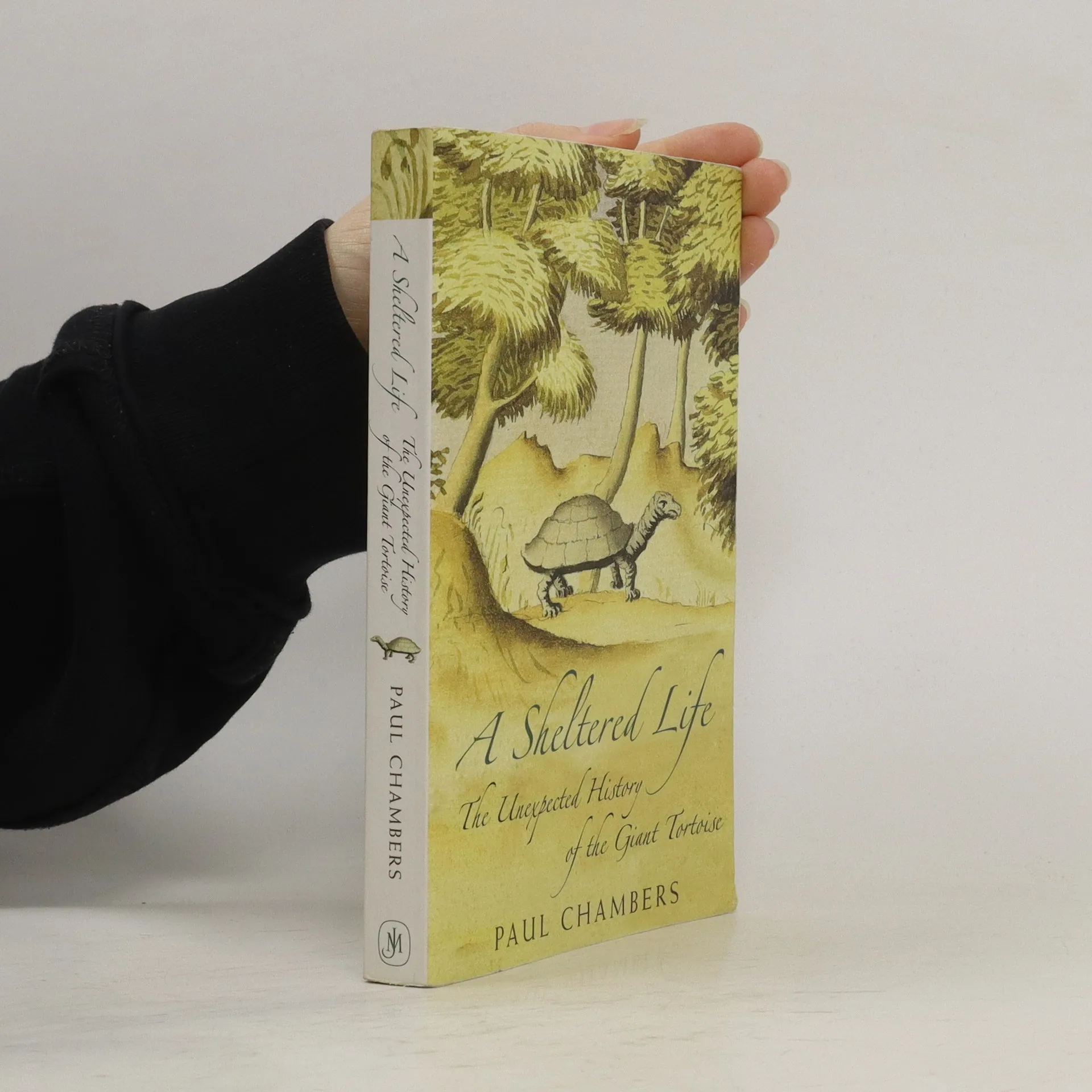
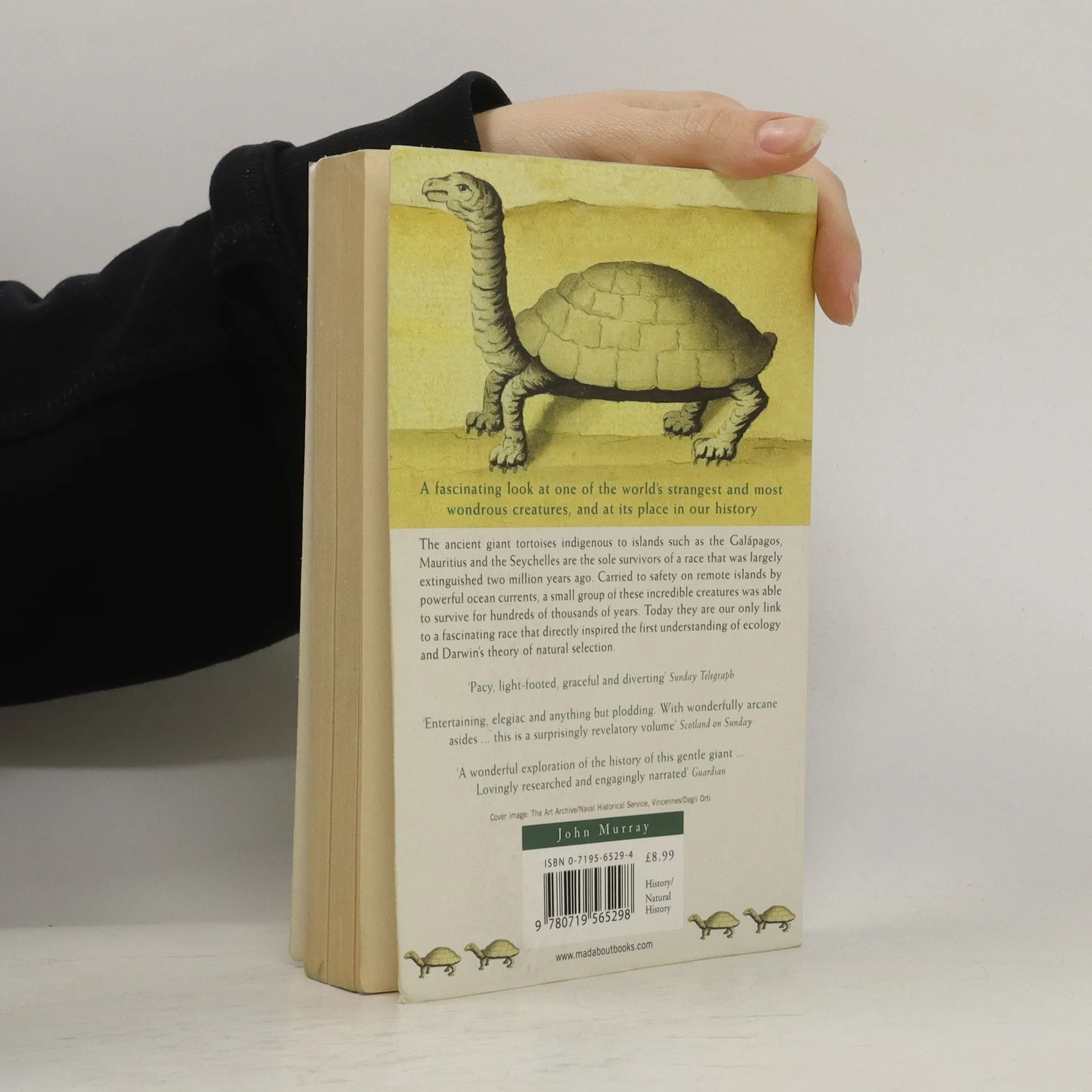
For millennia these mighty beasts lived in isolation on remote oceanic islands such as the Galapagos, Seychelles and Mauritius. From the sixteenth century, the discovery that tortoises were good to eat and their strategic location led to a wholesale plunder of their population by ships making long voyages. Later, Victorian scientists became fascinated by these creatures, and from wondering why it was that such large animals were always to be found on remote islands came the first understanding of ecology and biogeography. It was the giant tortoise that directly inspired Darwin to create his theory of natural selection. today in an Australian zoo? Indeed many people have become fascinated with these gentle giants. We learn why the French were surrendered the island of Mauritius but baulked at handing over their mascot tortoise and why the discovery of some dodo bones inspired Victorian scientists to launch a 'save the tortoise campaign'. The twentieth century saw the establishment of wildlife reserves in the Galapagos and elsewhere but it was too late for many species. Paul Chambers shows how modern genetics has been able to track down members of what were once believed to be extinct populations of these magnificent creatures.
Zakup książki
A Sheltered Life, Paul Chambers
- Język

- Rok wydania
- 2004
- Oprawa
- (miękka)
Metody płatności
Brakuje nam tutaj Twojej recenzji.
- Tytuł
- A Sheltered Life
- Język
- angielski
- Autorzy
- Paul Chambers
- Wydawca
- John Murray
- Rok wydania
- 2004
- Oprawa
- miękka
- Liczba stron
- 256
- ISBN10
- 0719565294
- ISBN13
- 9780719565298
- Seria
- Kategorie
- Tagi
- Ocena
- 4 z 5
- Opis
- For millennia these mighty beasts lived in isolation on remote oceanic islands such as the Galapagos, Seychelles and Mauritius. From the sixteenth century, the discovery that tortoises were good to eat and their strategic location led to a wholesale plunder of their population by ships making long voyages. Later, Victorian scientists became fascinated by these creatures, and from wondering why it was that such large animals were always to be found on remote islands came the first understanding of ecology and biogeography. It was the giant tortoise that directly inspired Darwin to create his theory of natural selection. today in an Australian zoo? Indeed many people have become fascinated with these gentle giants. We learn why the French were surrendered the island of Mauritius but baulked at handing over their mascot tortoise and why the discovery of some dodo bones inspired Victorian scientists to launch a 'save the tortoise campaign'. The twentieth century saw the establishment of wildlife reserves in the Galapagos and elsewhere but it was too late for many species. Paul Chambers shows how modern genetics has been able to track down members of what were once believed to be extinct populations of these magnificent creatures.