

Więcej o książce
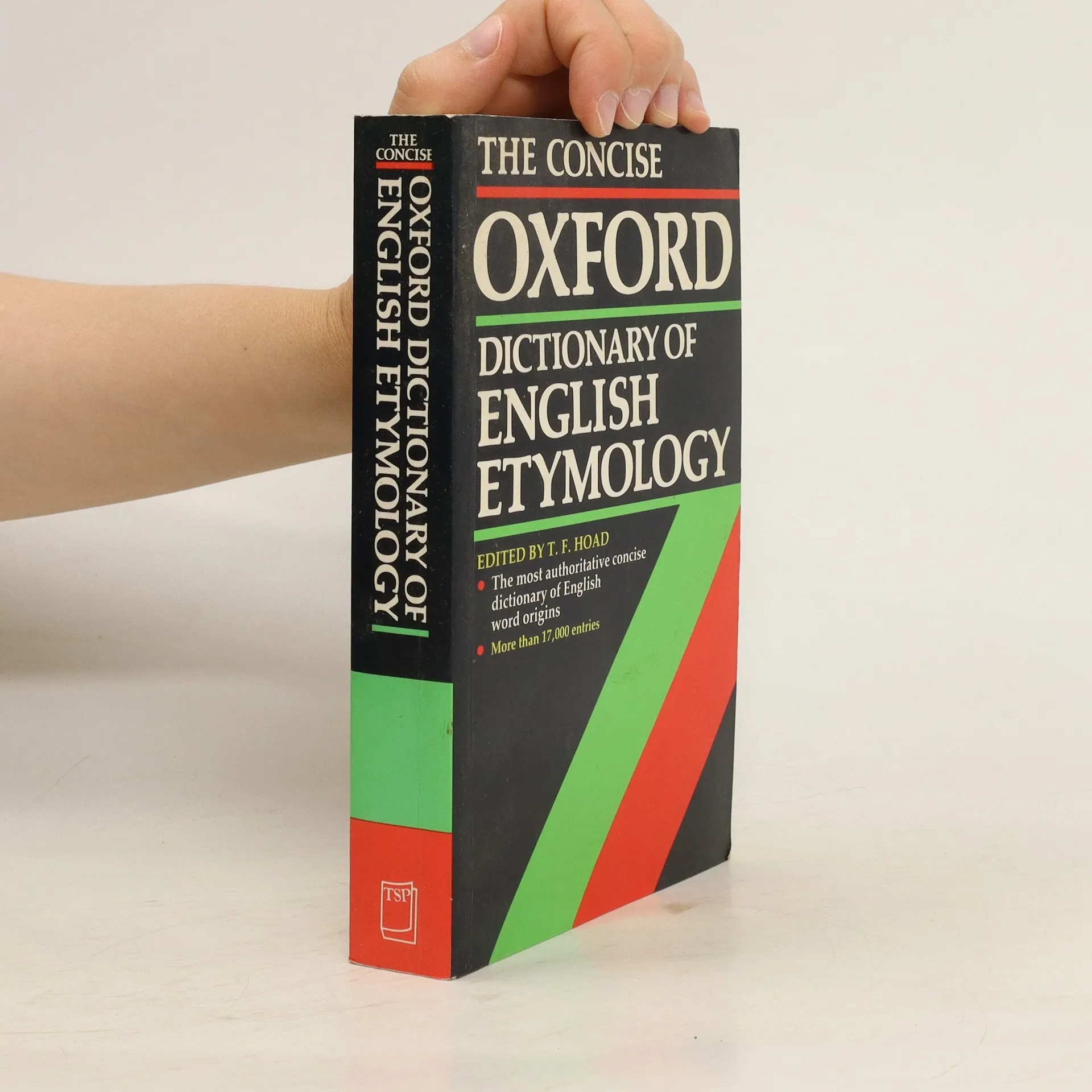
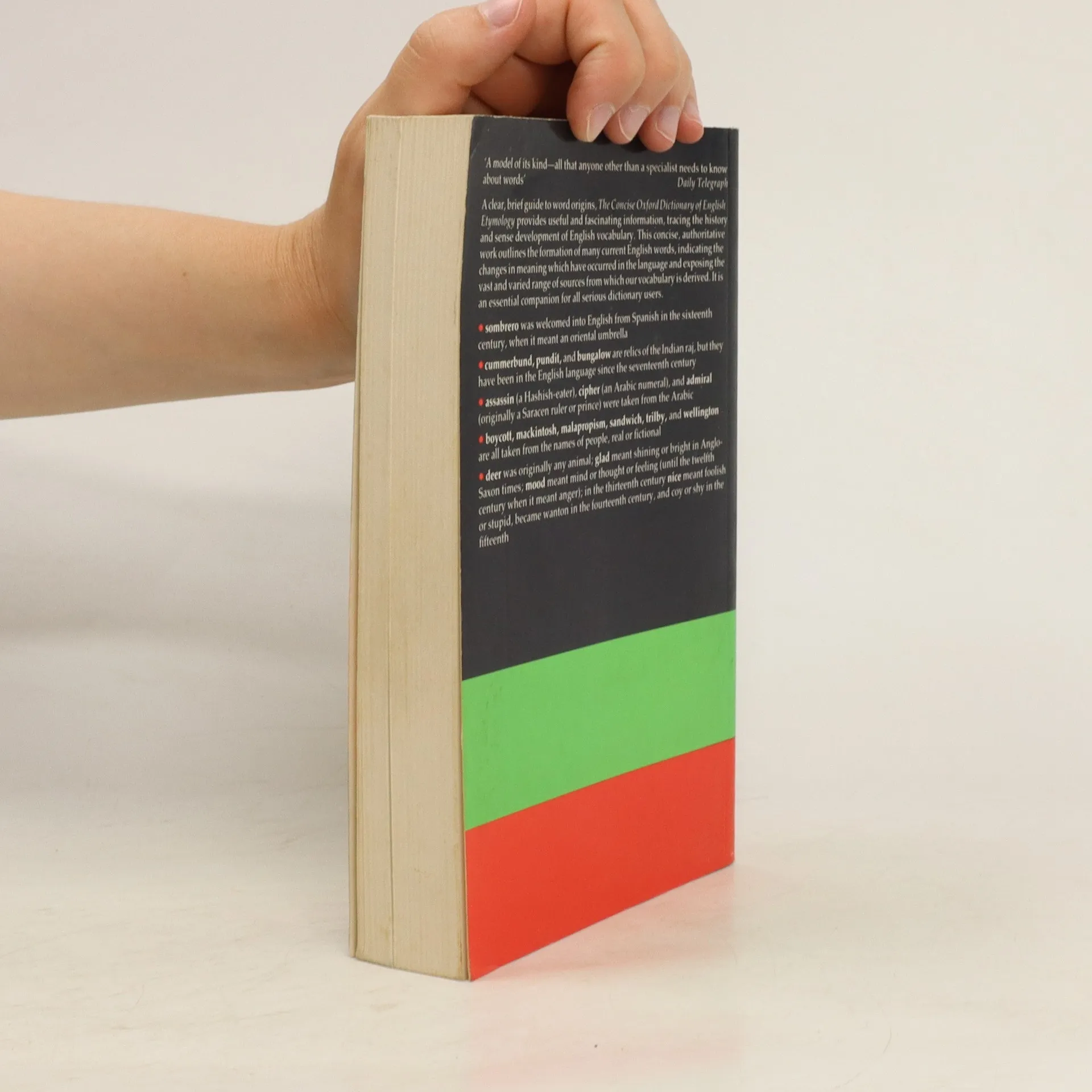
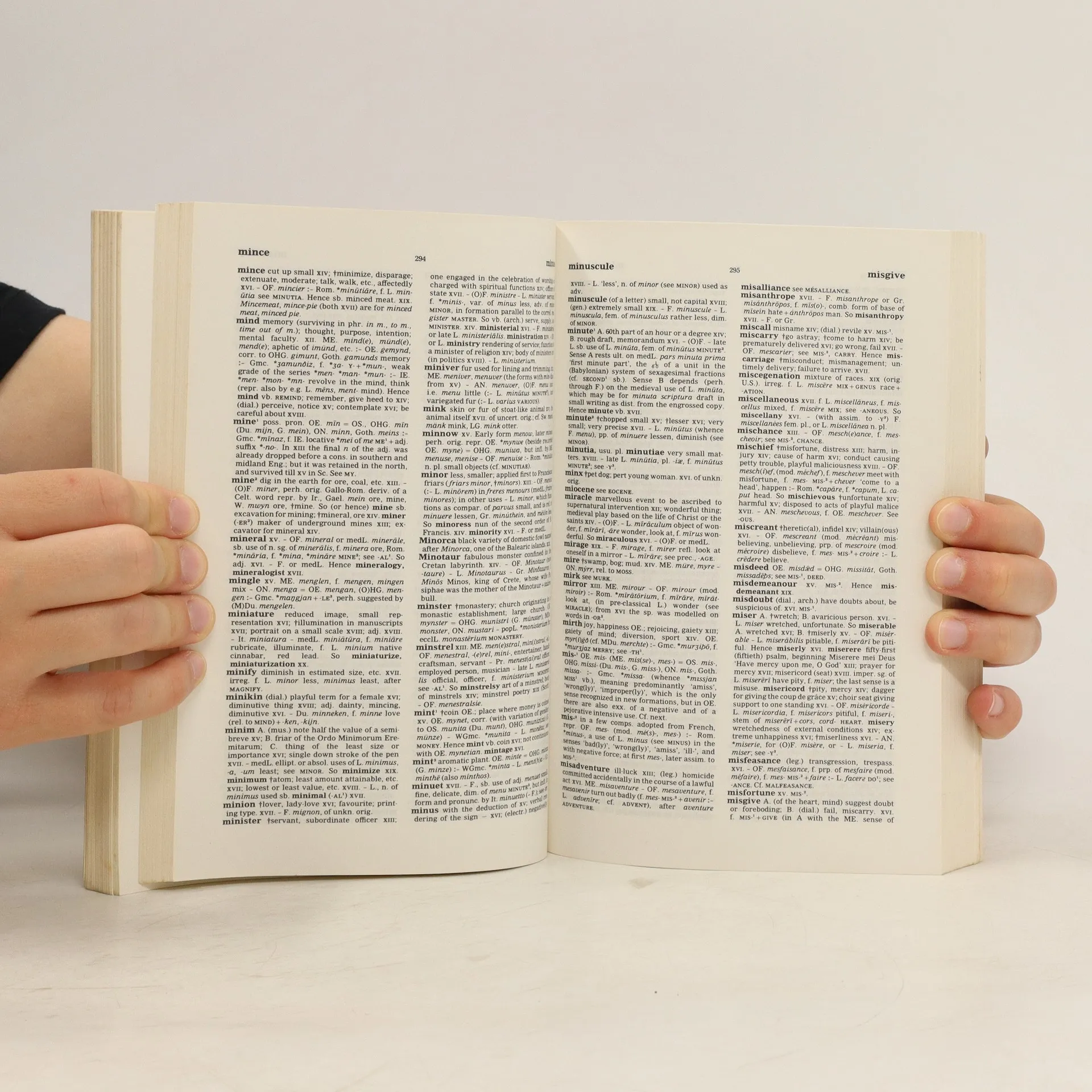
Where did the words bungalow and assassin derive? What did nice mean in the Middle Ages? How were adder, anger , and umpire originally spelled? The answers can be found in this essential companion to any popular dictionary.With over 17,000 entries, this is the most authoritative and comprehensive guide to word origins available in paperback. Based on The Oxford Dictionary of English Etymology , the principal authority on the origin and development of English words, it contains a wealth of information about our language and its history. For example, readers will learn that bungalow originally meant "belonging to Bengal," that assassin comes from the Arabic for "Hashish-eater," and that nice meant "foolish or stupid" in the thirteenth century, "coy or shy" in the fifteenth. And adder, anger , and umpire were originally spelled with an initial "n." These are but a few of the fascinating tidbits found in this dictionary, which is a must for anyone interested in the richness of the English language.


Zakup książki
The Concise Oxford Dictionary of English Etymology, T F Hoad
- Język

- Rok wydania
- 1986
- Oprawa
- (miękka)
Metody płatności
Brakuje nam tutaj Twojej recenzji.
- Tytuł
- The Concise Oxford Dictionary of English Etymology
- Język
- angielski
- Autorzy
- T F Hoad
- Rok wydania
- 1986
- Oprawa
- miękka
- Liczba stron
- 552
- ISBN10
- 0198631200
- ISBN13
- 9780198631200
- Seria
- Ocena
- 4,05 z 5
- Opis
- Where did the words bungalow and assassin derive? What did nice mean in the Middle Ages? How were adder, anger , and umpire originally spelled? The answers can be found in this essential companion to any popular dictionary.With over 17,000 entries, this is the most authoritative and comprehensive guide to word origins available in paperback. Based on The Oxford Dictionary of English Etymology , the principal authority on the origin and development of English words, it contains a wealth of information about our language and its history. For example, readers will learn that bungalow originally meant "belonging to Bengal," that assassin comes from the Arabic for "Hashish-eater," and that nice meant "foolish or stupid" in the thirteenth century, "coy or shy" in the fifteenth. And adder, anger , and umpire were originally spelled with an initial "n." These are but a few of the fascinating tidbits found in this dictionary, which is a must for anyone interested in the richness of the English language.