




Więcej o książce
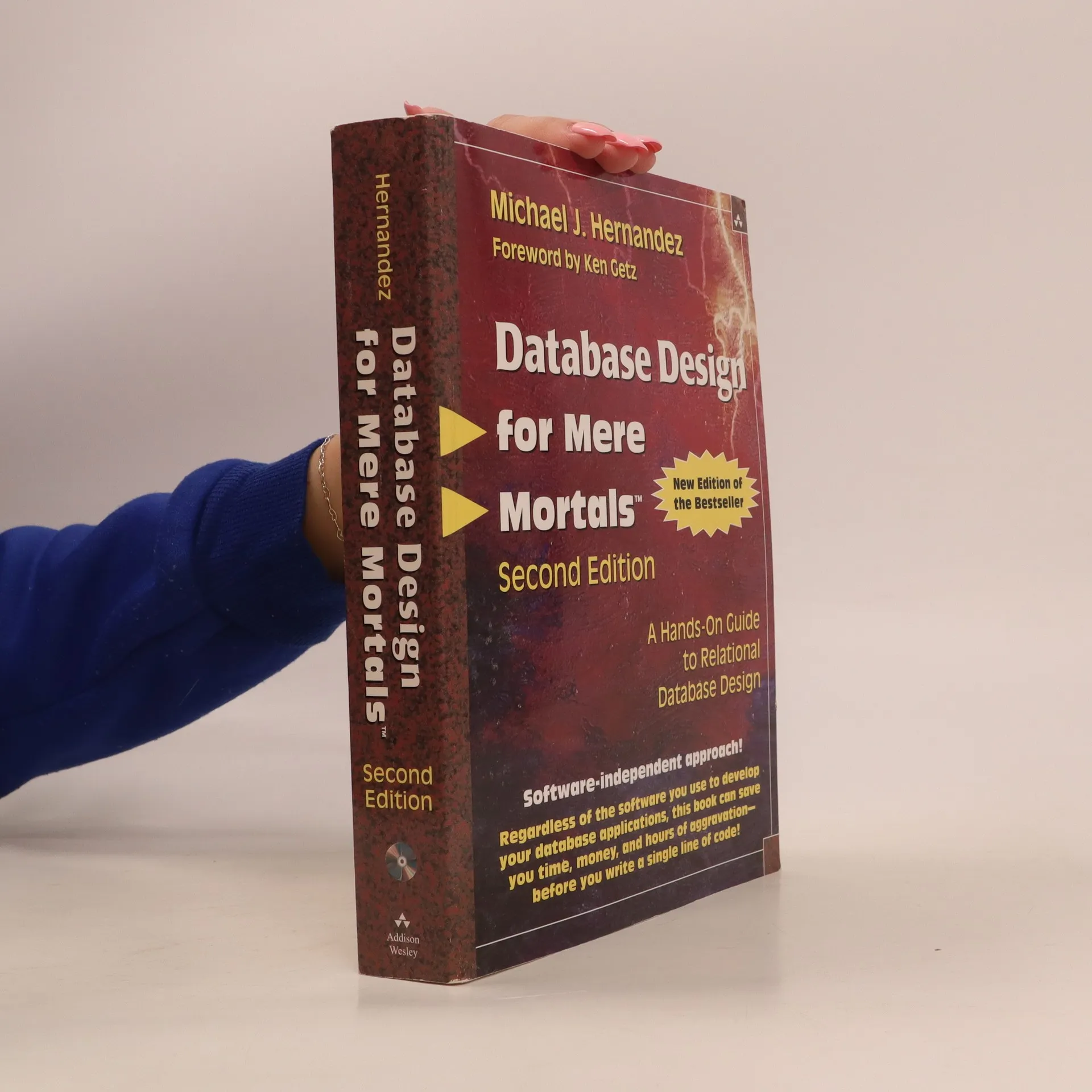
This book simplifies the daunting process of database design into manageable components. With a professional yet accessible approach, it is highly recommended for novice database designers. It provides a clear explanation of database technology, helping designers avoid pitfalls and understand vendor products. The author’s common-sense methodology adheres to good relational design principles, making it suitable for both beginners and seasoned professionals. The book is praised for its clarity and engaging style, making complex concepts easy to grasp. It serves as a valuable resource for developers, offering insights into best practices, terminology, and strategies for analyzing and improving existing databases. The hands-on approach is complemented by updated coverage and additional examples and illustrations. Overall, this book is a must-read for anyone involved in database design.



Zakup książki
Database Design for Mere Mortals, Michael James Hernandez
- Język

- Rok wydania
- 2003
- Oprawa
- (miękka)
Metody płatności
Brakuje nam tutaj Twojej recenzji.
- Tytuł
- Database Design for Mere Mortals
- Język
- angielski
- Autorzy
- Michael James Hernandez
- Wydawca
- Addison-Wesley Professional
- Rok wydania
- 2003
- Oprawa
- miękka
- Liczba stron
- 672
- ISBN10
- 0201752840
- ISBN13
- 9780201752847
- Seria
- For Mere Mortals
- Tagi
- Poradniki, Technologia, Bazy danych
- Oryginalna nazwa
- Database Design for Mere Mortals: A Hands-On Guide to Relational Database Design
- Ocena
- 3,9 z 5
- Opis
- This book simplifies the daunting process of database design into manageable components. With a professional yet accessible approach, it is highly recommended for novice database designers. It provides a clear explanation of database technology, helping designers avoid pitfalls and understand vendor products. The author’s common-sense methodology adheres to good relational design principles, making it suitable for both beginners and seasoned professionals. The book is praised for its clarity and engaging style, making complex concepts easy to grasp. It serves as a valuable resource for developers, offering insights into best practices, terminology, and strategies for analyzing and improving existing databases. The hands-on approach is complemented by updated coverage and additional examples and illustrations. Overall, this book is a must-read for anyone involved in database design.