



Więcej o książce
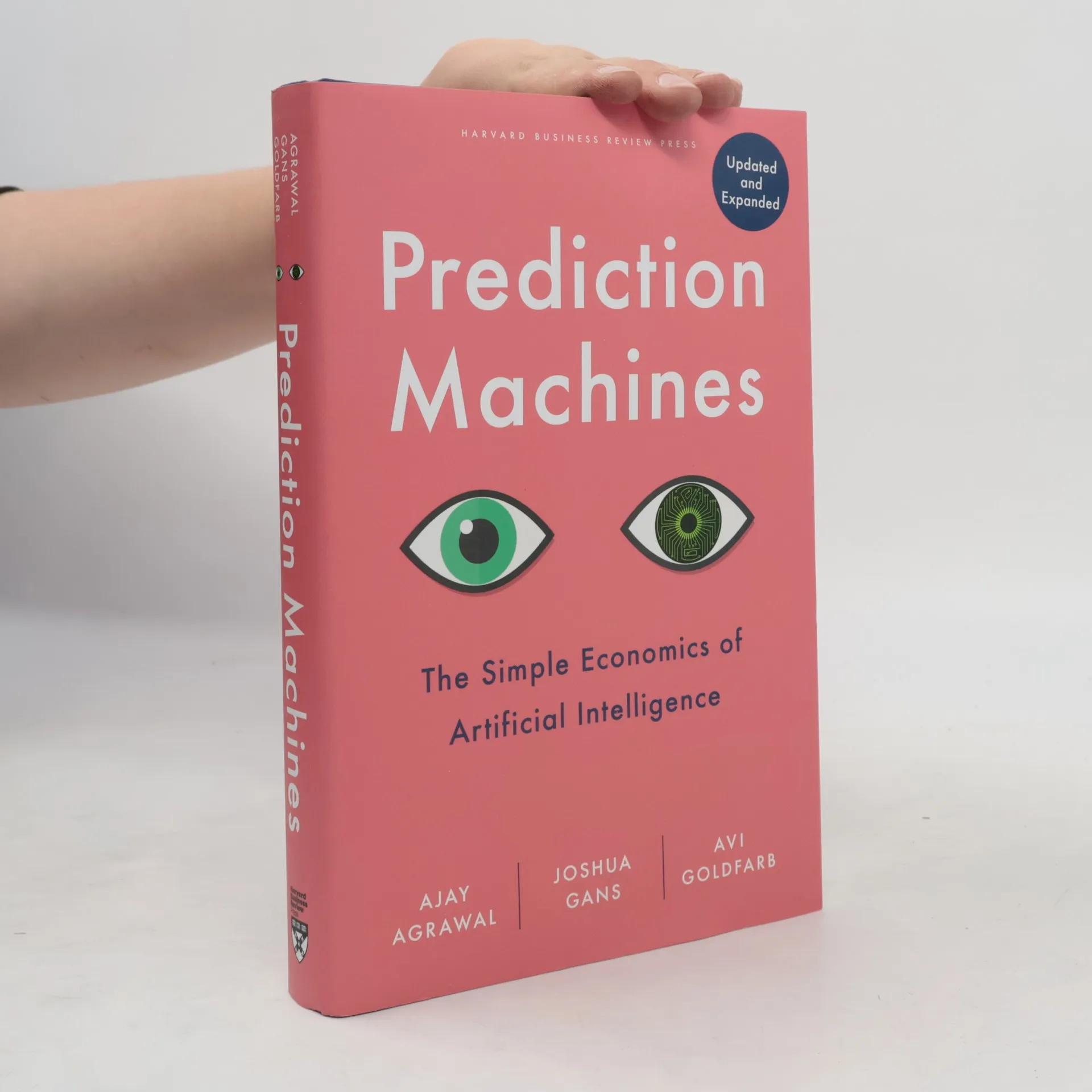
Artificial intelligence appears to perform the impossible, enabling machines to drive cars, trade stocks, and educate children. However, the rapid changes brought by AI can be overwhelming. Companies, governments, and individuals are left wondering how to adapt to this new reality. While some respond with fear or overly optimistic predictions, three prominent economists present a different perspective by framing AI as a reduction in the cost of prediction. This approach demystifies the AI hype and utilizes economic principles to clarify the AI revolution, offering actionable insights for executives, policymakers, investors, and entrepreneurs. In this revised edition, the authors emphasize that understanding AI as a tool for cheap prediction reveals its vast potential. Prediction is central to decision-making in uncertain environments, which permeate both business and personal spheres. Enhanced prediction capabilities can boost productivity by improving operations, document management, and customer communication, while also enabling innovative business strategies. The authors reflect on the book’s impact and discuss its relevance in real-world scenarios. They also explore how prediction integrates into decision-making and the influence of emerging technologies like quantum computing on business strategies. Insightful and practical, this work equips readers to navigate the profound changes AI brings, anchored in a straightforwar


Zakup książki
Prediction Machines, Updated and Expanded, Ajay Agrawal, Joshua Gans, Avi Goldfarb
- Język

- Rok wydania
- 2022
- Oprawa
- (twarda)
Metody płatności
Brakuje nam tutaj Twojej recenzji.
- Tytuł
- Prediction Machines, Updated and Expanded
- Język
- angielski
- Autorzy
- Ajay Agrawal, Joshua Gans, Avi Goldfarb
- Rok wydania
- 2022
- Oprawa
- twarda
- ISBN10
- 1647824672
- ISBN13
- 9781647824679
- Seria
- Ocena
- 3,9 z 5
- Opis
- Artificial intelligence appears to perform the impossible, enabling machines to drive cars, trade stocks, and educate children. However, the rapid changes brought by AI can be overwhelming. Companies, governments, and individuals are left wondering how to adapt to this new reality. While some respond with fear or overly optimistic predictions, three prominent economists present a different perspective by framing AI as a reduction in the cost of prediction. This approach demystifies the AI hype and utilizes economic principles to clarify the AI revolution, offering actionable insights for executives, policymakers, investors, and entrepreneurs. In this revised edition, the authors emphasize that understanding AI as a tool for cheap prediction reveals its vast potential. Prediction is central to decision-making in uncertain environments, which permeate both business and personal spheres. Enhanced prediction capabilities can boost productivity by improving operations, document management, and customer communication, while also enabling innovative business strategies. The authors reflect on the book’s impact and discuss its relevance in real-world scenarios. They also explore how prediction integrates into decision-making and the influence of emerging technologies like quantum computing on business strategies. Insightful and practical, this work equips readers to navigate the profound changes AI brings, anchored in a straightforwar