

Więcej o książce
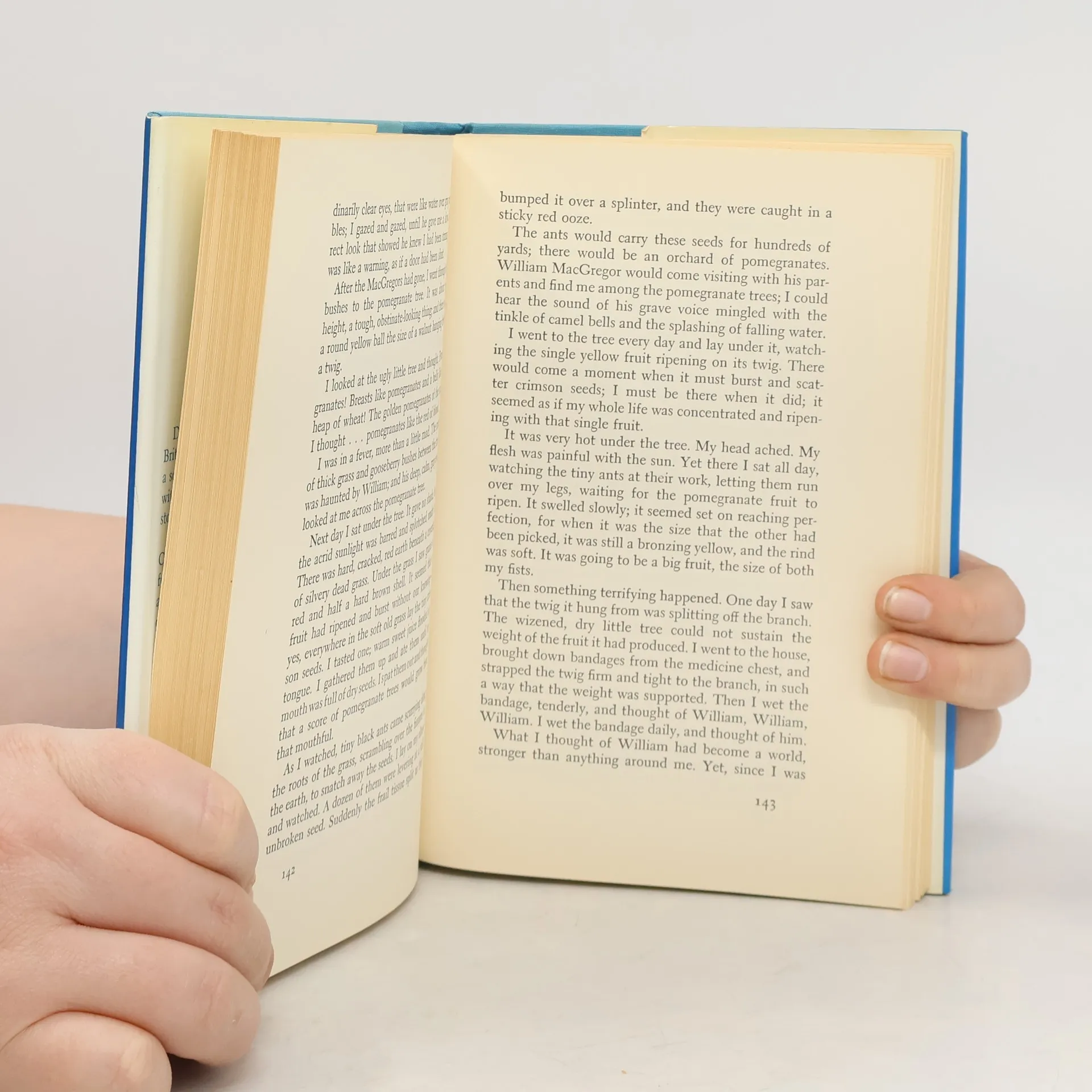
The seventeen stories in this, the finest collection of Doris Lessing's short fiction, all share the same assured mastery of insight and compassion. They may be set in Africa, England, Germany, or France; their themes may range from the sexual dilemma of a too-attractive woman to the perilous initiation into manhood of a young boy; their tone may be dryly ironic, cuttingly satiric, brilliantly realistic, or powerfully tragic. But whatever the mood or place, long after the stories have ended the people linger in one's mind: the aging rake of the title piece and his insensitive doll-like bride; the compulsive housekeeper, estranged from her untidy husband and yearning for him; the sheltered young wife experiencing the horror of a swarm of locust on her husband's farm; pitiful Mr. Brooke, filling his empty days with dreams of the delightful Marnie; the two British travelers gripped by a gnawing paranoia as they face the evil and egoism of postwar Germany. Each demonstrates again and again the very special qualities of heart and mind that have one Doris Lessing a unique place in modern fiction.



Zakup książki
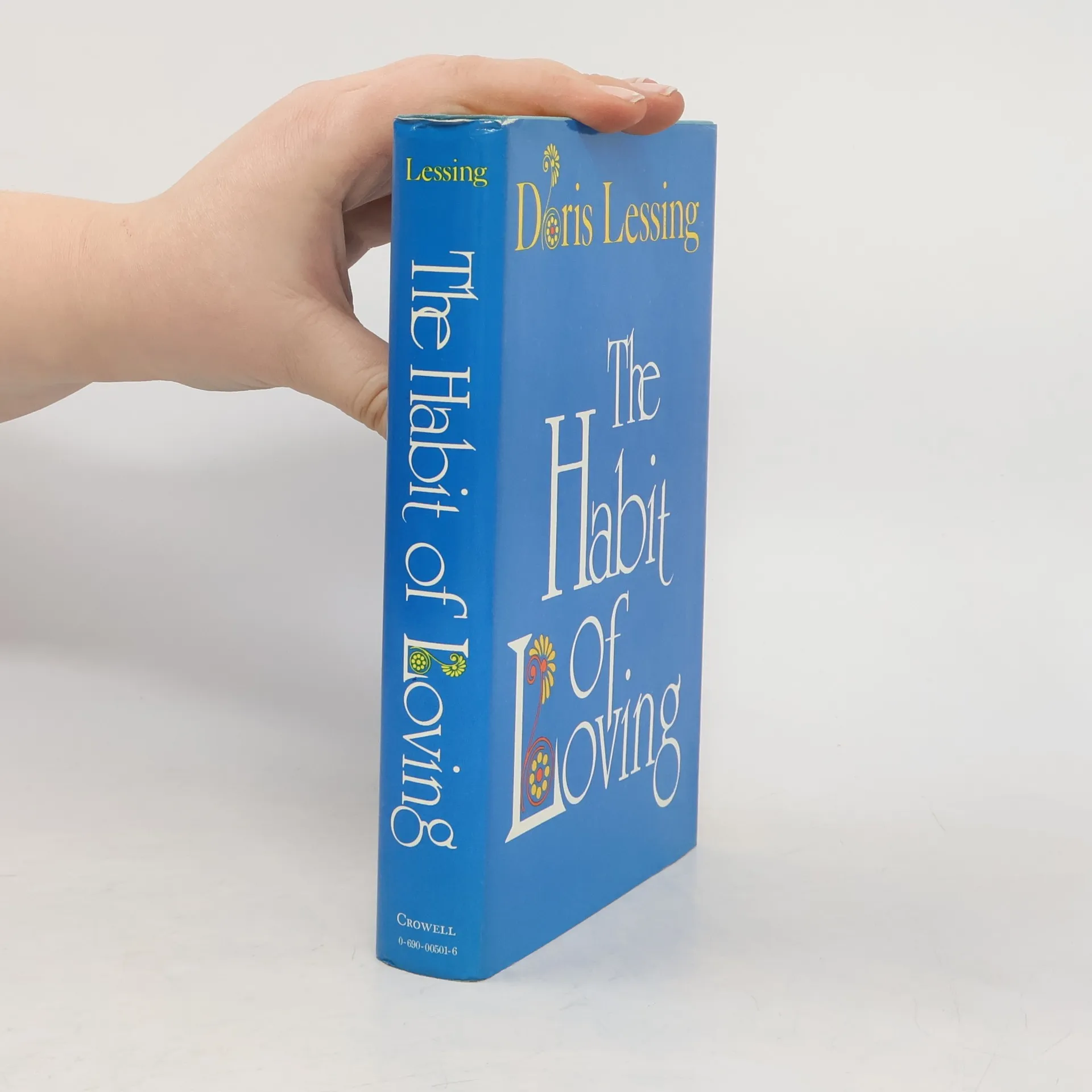
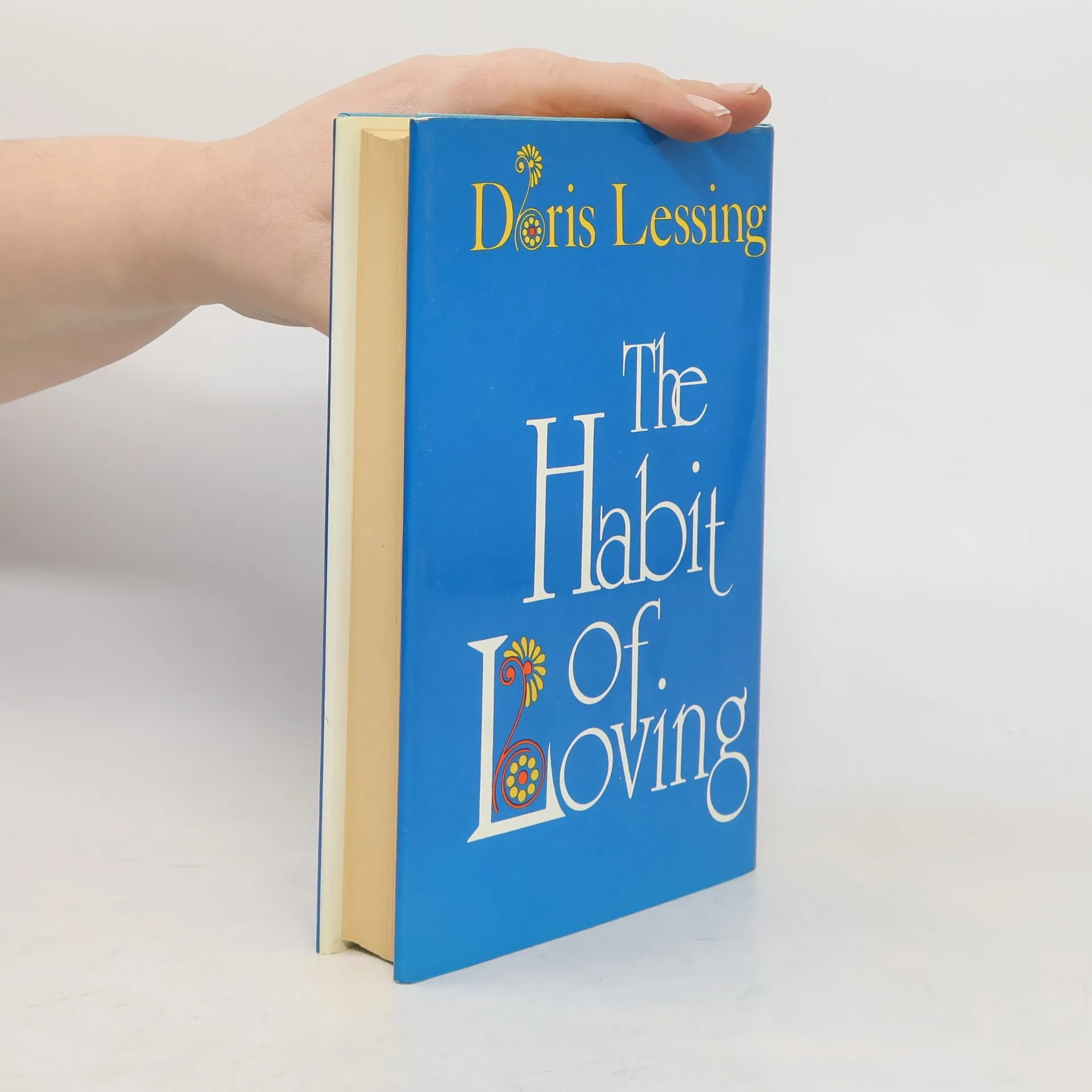
The Habit of Loving, Doris Lessing
- Język

- Rok wydania
- 1957
- Oprawa
- (twarda)
Metody płatności
Brakuje nam tutaj Twojej recenzji.
- Tytuł
- The Habit of Loving
- Język
- angielski
- Autorzy
- Doris Lessing
- Wydawca
- Crowell
- Rok wydania
- 1957
- Oprawa
- twarda
- Liczba stron
- 311
- ISBN10
- 0690005016
- ISBN13
- 9780690005011
- Seria
- Kategorie
- Ocena
- 3,8 z 5
- Opis
- The seventeen stories in this, the finest collection of Doris Lessing's short fiction, all share the same assured mastery of insight and compassion. They may be set in Africa, England, Germany, or France; their themes may range from the sexual dilemma of a too-attractive woman to the perilous initiation into manhood of a young boy; their tone may be dryly ironic, cuttingly satiric, brilliantly realistic, or powerfully tragic. But whatever the mood or place, long after the stories have ended the people linger in one's mind: the aging rake of the title piece and his insensitive doll-like bride; the compulsive housekeeper, estranged from her untidy husband and yearning for him; the sheltered young wife experiencing the horror of a swarm of locust on her husband's farm; pitiful Mr. Brooke, filling his empty days with dreams of the delightful Marnie; the two British travelers gripped by a gnawing paranoia as they face the evil and egoism of postwar Germany. Each demonstrates again and again the very special qualities of heart and mind that have one Doris Lessing a unique place in modern fiction.