



Więcej o książce
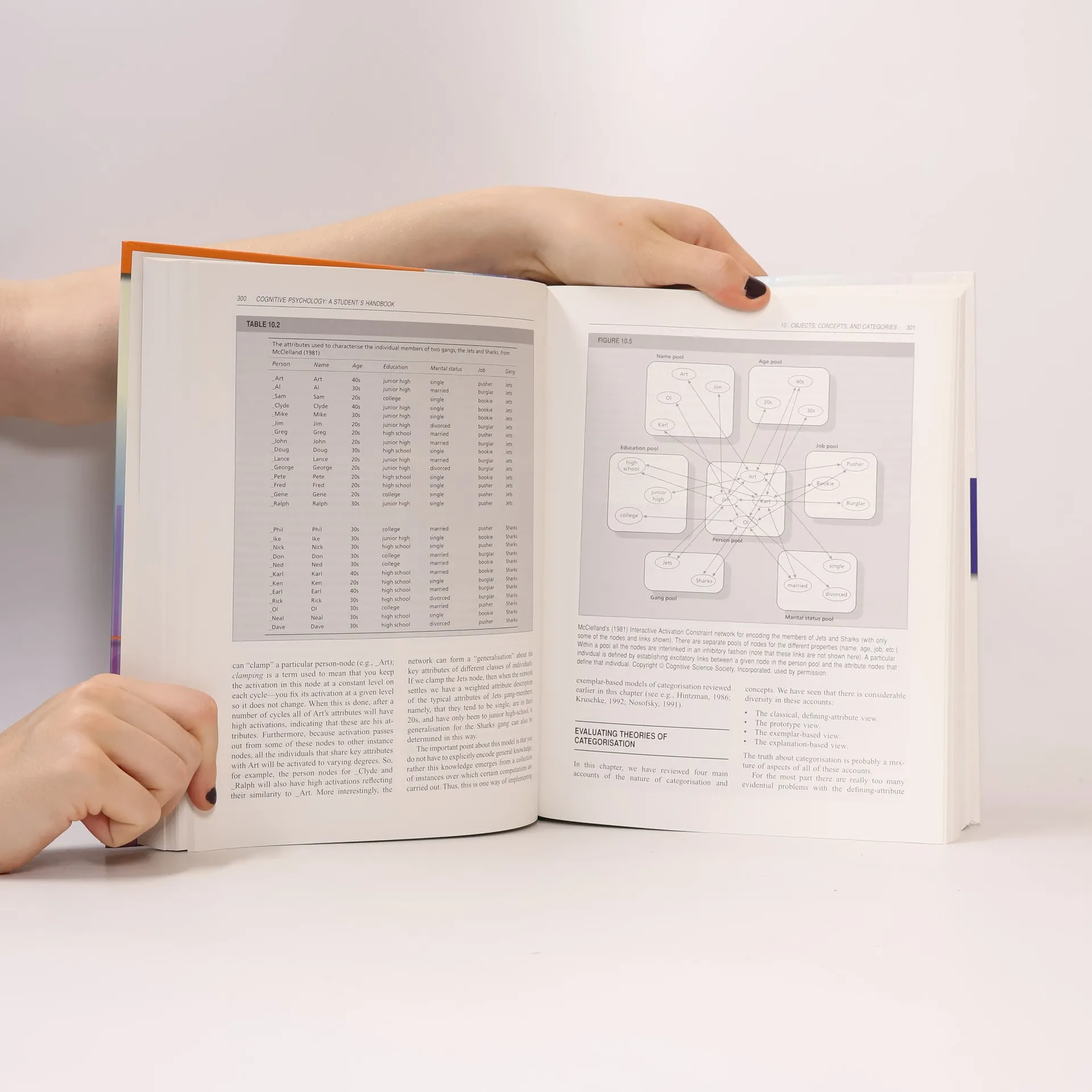
This revised edition builds on the success of its predecessor, integrating three core perspectives: experimental cognitive psychology, cognitive science with a focus on cognitive modeling, and cognitive neuropsychology, which examines cognition post-brain damage. A notable addition is the in-depth exploration of cognitive neuroscience, utilizing advanced brain-scanning techniques to enhance understanding of brain function. The text covers the interplay of these four perspectives across key cognitive psychology areas, including perception, attention, memory, knowledge representation, categorization, language, problem-solving, reasoning, and judgment. The aim is to provide comprehensive, up-to-date, and accessible content. All chapters have been thoroughly revised and reorganized, with expanded discussions on topics such as brain structures in perception, visual attention, implicit learning, memory, prospective memory, exemplar theories of categorization, language comprehension, connectionist models in perception, and neuroscience studies related to thinking, judgment, and decision-making. This handbook is essential for undergraduate psychology students and will also appeal to those in related fields such as computer science, education, linguistics, physiology, and medicine.



Zakup książki
Cognitive Psychology, Michael Eysenck, Mark T. Keane
- Język

- Rok wydania
- 2000
- Oprawa
- (twarda)
Metody płatności
Brakuje nam tutaj Twojej recenzji.
- Tytuł
- Cognitive Psychology
- Podtytuł
- A Student's Handbook - 4th edition
- Język
- angielski
- Autorzy
- Michael Eysenck, Mark T. Keane
- Wydawca
- Psychology Press
- Rok wydania
- 2000
- Oprawa
- twarda
- Liczba stron
- 560
- ISBN10
- 0863775500
- ISBN13
- 9780863775505
- Seria
- Pierwsze wydanie
- 2006
- Oryginalna nazwa
- Cognitive Psychology
- Ocena
- 3,75 z 5
- Opis
- This revised edition builds on the success of its predecessor, integrating three core perspectives: experimental cognitive psychology, cognitive science with a focus on cognitive modeling, and cognitive neuropsychology, which examines cognition post-brain damage. A notable addition is the in-depth exploration of cognitive neuroscience, utilizing advanced brain-scanning techniques to enhance understanding of brain function. The text covers the interplay of these four perspectives across key cognitive psychology areas, including perception, attention, memory, knowledge representation, categorization, language, problem-solving, reasoning, and judgment. The aim is to provide comprehensive, up-to-date, and accessible content. All chapters have been thoroughly revised and reorganized, with expanded discussions on topics such as brain structures in perception, visual attention, implicit learning, memory, prospective memory, exemplar theories of categorization, language comprehension, connectionist models in perception, and neuroscience studies related to thinking, judgment, and decision-making. This handbook is essential for undergraduate psychology students and will also appeal to those in related fields such as computer science, education, linguistics, physiology, and medicine.