



Więcej o książce
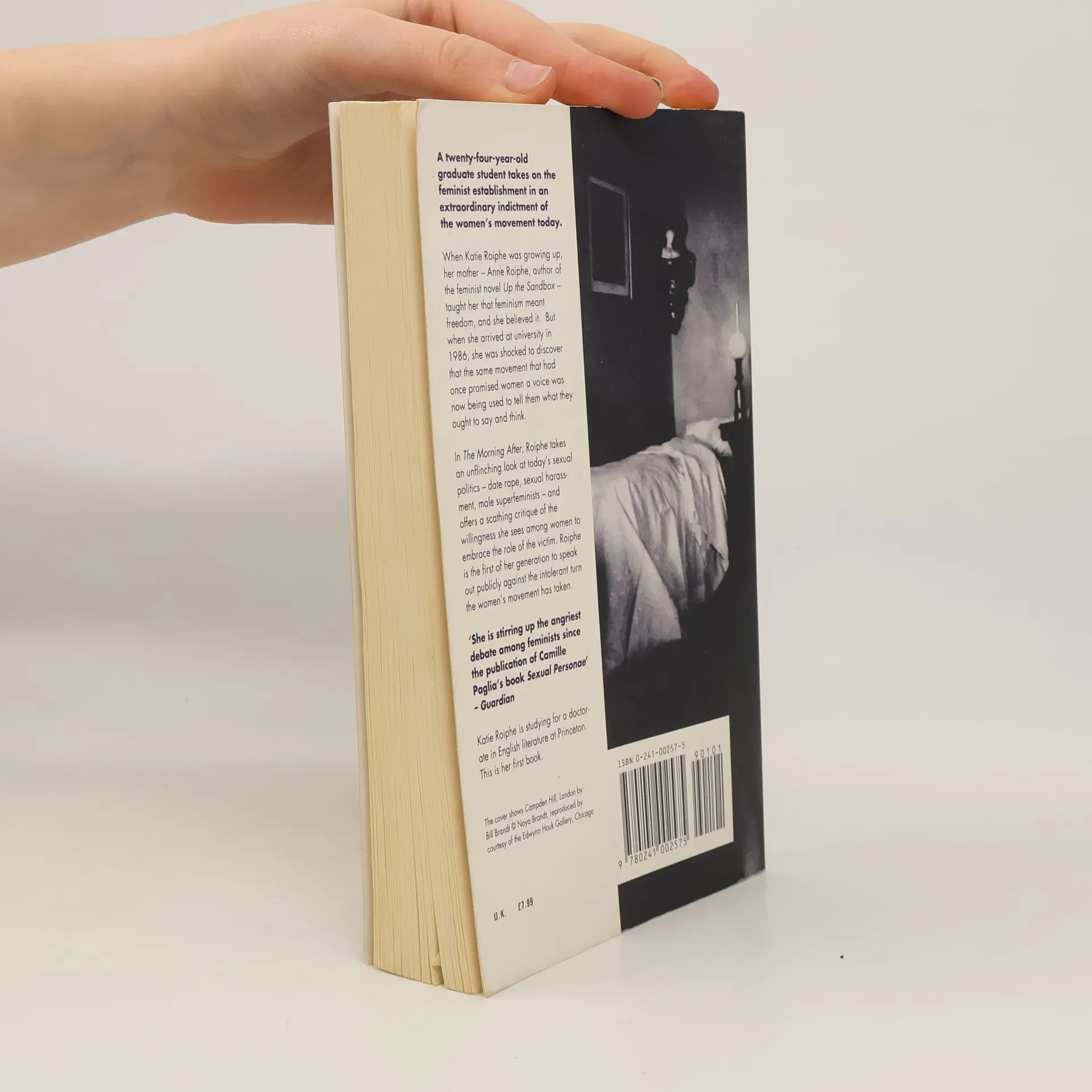
When Katie Roiphe arrived at Harvard in 1986, she found that the feminism she had been raised to believe in had radically transformed. The women's movement, once a symbol of strength, now seemed rooted in weakness and fear. At Harvard and later at Princeton, Roiphe observed a new campus culture focused on victimization and outdated notions of male-female sexual dynamics. Men were portrayed as silencers and women as silenced, with dissenting voices largely absent. At just 24, Roiphe became the first of her generation to publicly challenge the intolerant direction of the women's movement. In her critique, she examines the mating rituals within a rape-sensitive community, labeling Take Back the Night marches as "march as therapy" and highlighting the rise of rape-crisis feminists and concerns about sexual harassment. She reveals a generation of women whose values mirror those their predecessors fought to escape—yearning for regulation, fearful of their sexuality, and nostalgic for a time of greater social control. Roiphe's work serves as both a fierce critique of establishment feminism and a passionate call to reflect on the past and envision a more empowered future for women of all ages.


Zakup książki
The Morning After - Sex, Fear, and Feminism, Katie Roiphe
- Język

- Rok wydania
- 1994
- Oprawa
- (miękka)
Metody płatności
Brakuje nam tutaj Twojej recenzji.
- Tytuł
- The Morning After - Sex, Fear, and Feminism
- Język
- angielski
- Autorzy
- Katie Roiphe
- Wydawca
- Hamish Hamilton
- Rok wydania
- 1994
- Oprawa
- miękka
- Liczba stron
- 192
- ISBN10
- 0241002575
- ISBN13
- 9780241002575
- Seria
- Ocena
- 3,4 z 5
- Opis
- When Katie Roiphe arrived at Harvard in 1986, she found that the feminism she had been raised to believe in had radically transformed. The women's movement, once a symbol of strength, now seemed rooted in weakness and fear. At Harvard and later at Princeton, Roiphe observed a new campus culture focused on victimization and outdated notions of male-female sexual dynamics. Men were portrayed as silencers and women as silenced, with dissenting voices largely absent. At just 24, Roiphe became the first of her generation to publicly challenge the intolerant direction of the women's movement. In her critique, she examines the mating rituals within a rape-sensitive community, labeling Take Back the Night marches as "march as therapy" and highlighting the rise of rape-crisis feminists and concerns about sexual harassment. She reveals a generation of women whose values mirror those their predecessors fought to escape—yearning for regulation, fearful of their sexuality, and nostalgic for a time of greater social control. Roiphe's work serves as both a fierce critique of establishment feminism and a passionate call to reflect on the past and envision a more empowered future for women of all ages.