

Więcej o książce
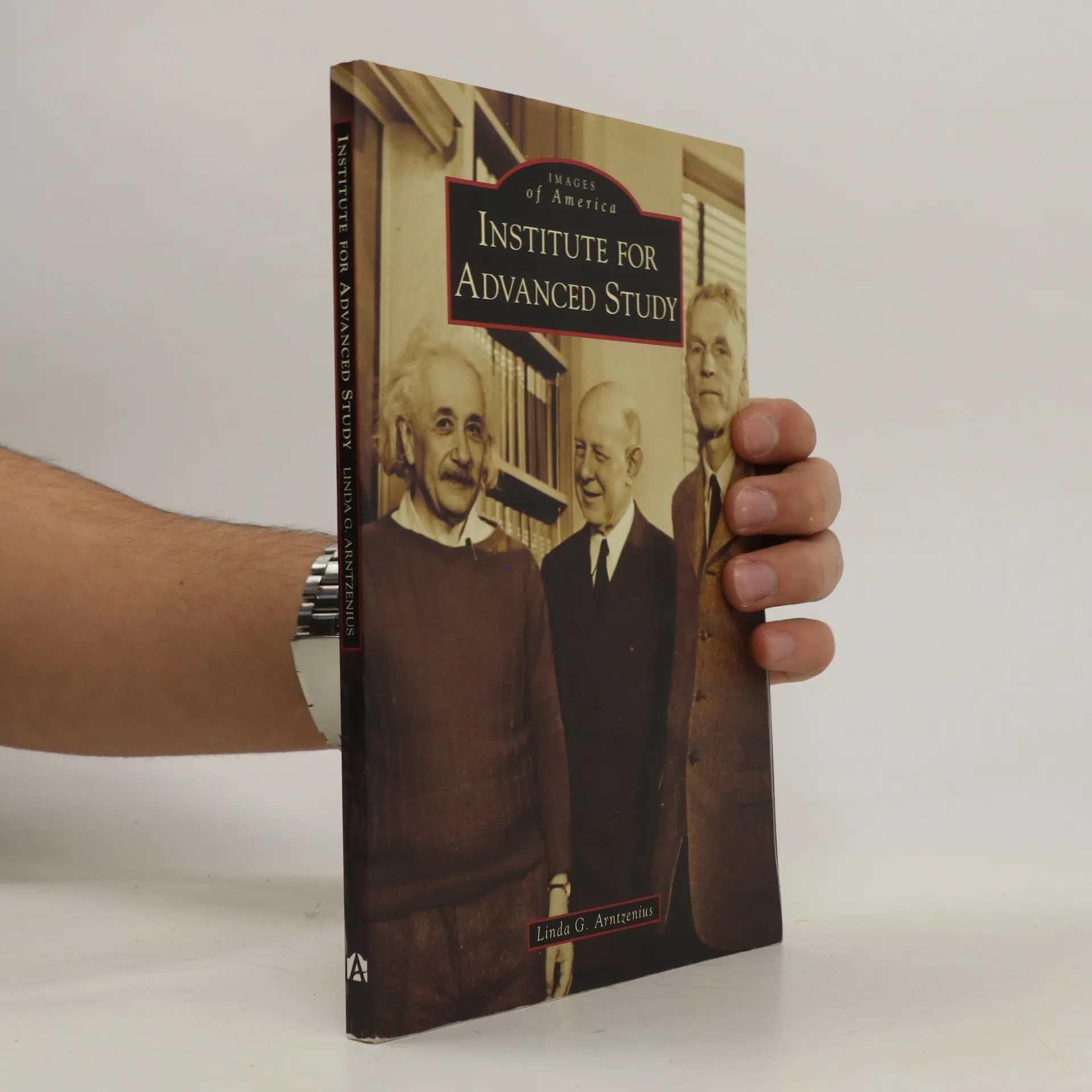
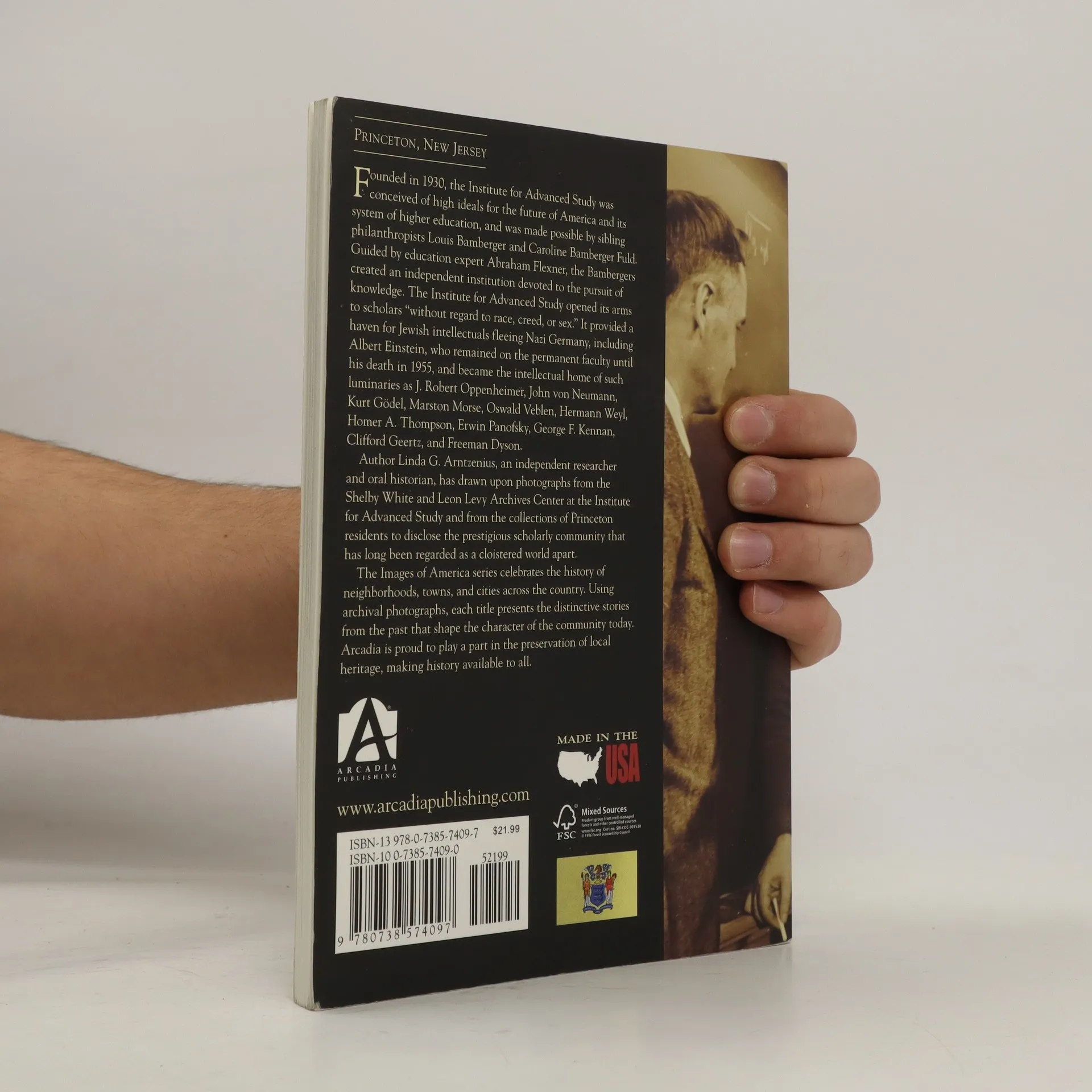
Founded in 1930, the Institute for Advanced Study was conceived of high ideals for the future of America and its system of higher education, and was made possible by sibling philanthropists Louis Bamberger and Caroline Bamberger Fuld. Guided by education expert Abraham Flexner, the Bambergers created an independent institution devoted to the pursuit of knowledge. The Institute for Advanced Study opened its arms to scholars "without regard to race, creed, or sex." It provided a haven for Jewish intellectuals fleeing Nazi Germany, including Albert Einstein, who remained on the permanent faculty until his death in 1955, and became the intellectual home of such luminaries as J. Robert Oppenheimer, John von Neumann, Kurt Gödel, Marston Morse, Oswald Veblen, Hermann Weyl, Homer A. Thompson, Erwin Panofsky, George F. Kennan, Clifford Geertz, and Freeman Dyson.


Zakup książki
Institute for Advanced Study, Linda G. Arntzenius
- Język

- Rok wydania
- 2011
- Oprawa
- (miękka)
Metody płatności
Brakuje nam tutaj Twojej recenzji.
- Tytuł
- Institute for Advanced Study
- Język
- angielski
- Autorzy
- Linda G. Arntzenius
- Wydawca
- Arcadia Publishing (SC)
- Rok wydania
- 2011
- Oprawa
- miękka
- Liczba stron
- 127
- ISBN10
- 0738574090
- ISBN13
- 9780738574097
- Kategorie
- Ocena
- 5 z 5
- Opis
- Founded in 1930, the Institute for Advanced Study was conceived of high ideals for the future of America and its system of higher education, and was made possible by sibling philanthropists Louis Bamberger and Caroline Bamberger Fuld. Guided by education expert Abraham Flexner, the Bambergers created an independent institution devoted to the pursuit of knowledge. The Institute for Advanced Study opened its arms to scholars "without regard to race, creed, or sex." It provided a haven for Jewish intellectuals fleeing Nazi Germany, including Albert Einstein, who remained on the permanent faculty until his death in 1955, and became the intellectual home of such luminaries as J. Robert Oppenheimer, John von Neumann, Kurt Gödel, Marston Morse, Oswald Veblen, Hermann Weyl, Homer A. Thompson, Erwin Panofsky, George F. Kennan, Clifford Geertz, and Freeman Dyson.