


Więcej o książce
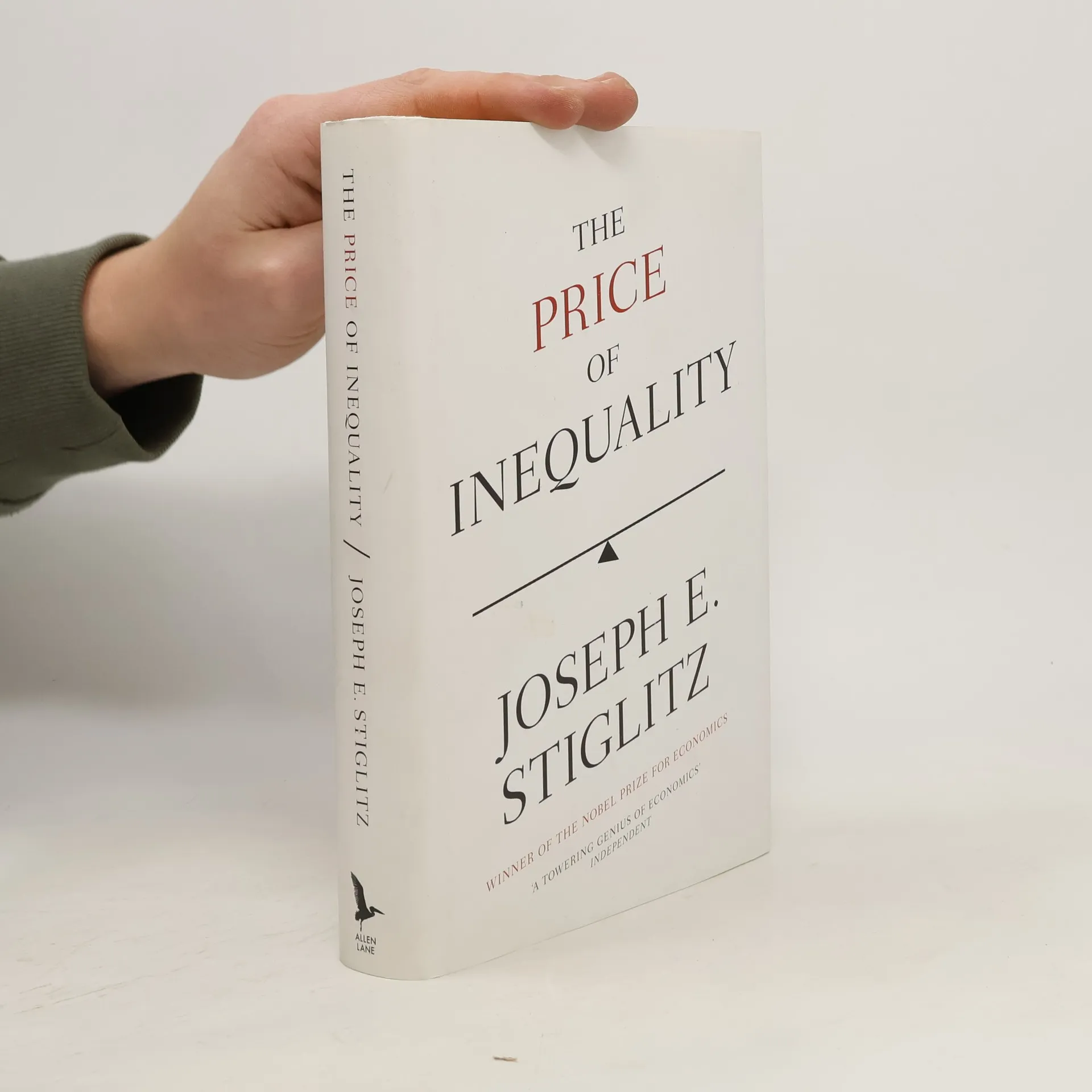
The top 1 percent have the best houses, the best educations, the best doctors, and the best lifestyles, but there is one thing that money doesn't seem to have bought- an understanding that their fate is bound up with how the other 99 percent live. Throughout history, this is something that the top 1 percent eventually do learn - too late. In this timely book, Joseph Stiglitz identifies three major causes of our predicament- that markets don't work the way they are supposed to (being neither efficient nor stable); how political systems fail to correct the shortcomings of the market; and how our current economic and political systems are fundamentally unfair. He focuses chiefly on the gross inequality to which these systems give rise, but also explains how inextricably interlinked they are. Providing evidence that investment - not austerity - is vital for productivity, and offering realistic solutions for levelling the playing field and increasing social mobility, Stiglitz argues that reform of our economic and political systems is not just fairer, but is the only way to make markets work as they really should.


Zakup książki
The Price of Inequality, Joseph E. Stiglitz
- Język

- Rok wydania
- 2012
- Oprawa
- (twarda)
Metody płatności
Brakuje nam tutaj Twojej recenzji.
- Tytuł
- The Price of Inequality
- Język
- angielski
- Autorzy
- Joseph E. Stiglitz
- Wydawca
- Allen Lane
- Rok wydania
- 2012
- Oprawa
- twarda
- ISBN10
- 1846146933
- ISBN13
- 9781846146930
- Seria
- Kategorie
- Ocena
- 4,05 z 5
- Opis
- The top 1 percent have the best houses, the best educations, the best doctors, and the best lifestyles, but there is one thing that money doesn't seem to have bought- an understanding that their fate is bound up with how the other 99 percent live. Throughout history, this is something that the top 1 percent eventually do learn - too late. In this timely book, Joseph Stiglitz identifies three major causes of our predicament- that markets don't work the way they are supposed to (being neither efficient nor stable); how political systems fail to correct the shortcomings of the market; and how our current economic and political systems are fundamentally unfair. He focuses chiefly on the gross inequality to which these systems give rise, but also explains how inextricably interlinked they are. Providing evidence that investment - not austerity - is vital for productivity, and offering realistic solutions for levelling the playing field and increasing social mobility, Stiglitz argues that reform of our economic and political systems is not just fairer, but is the only way to make markets work as they really should.