

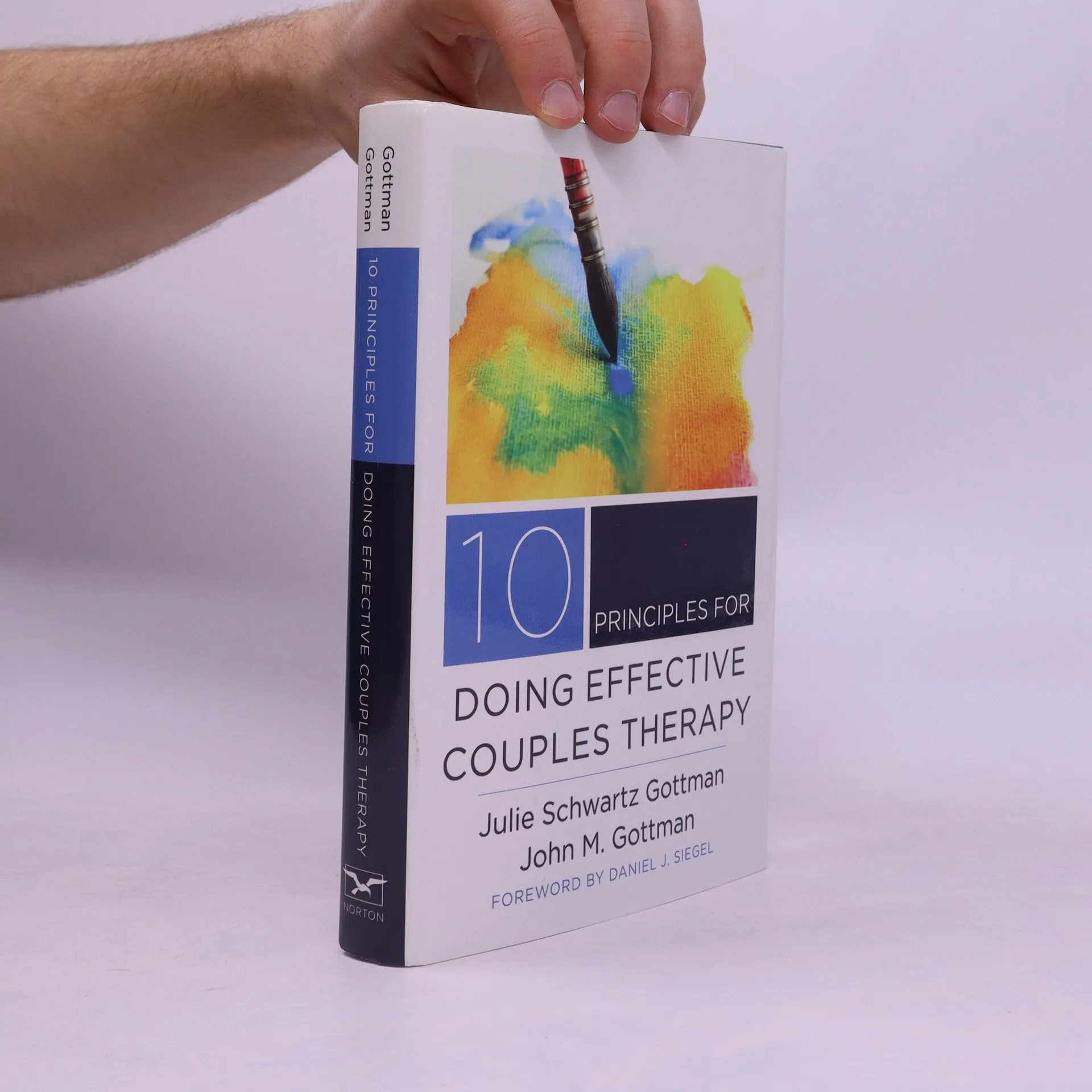
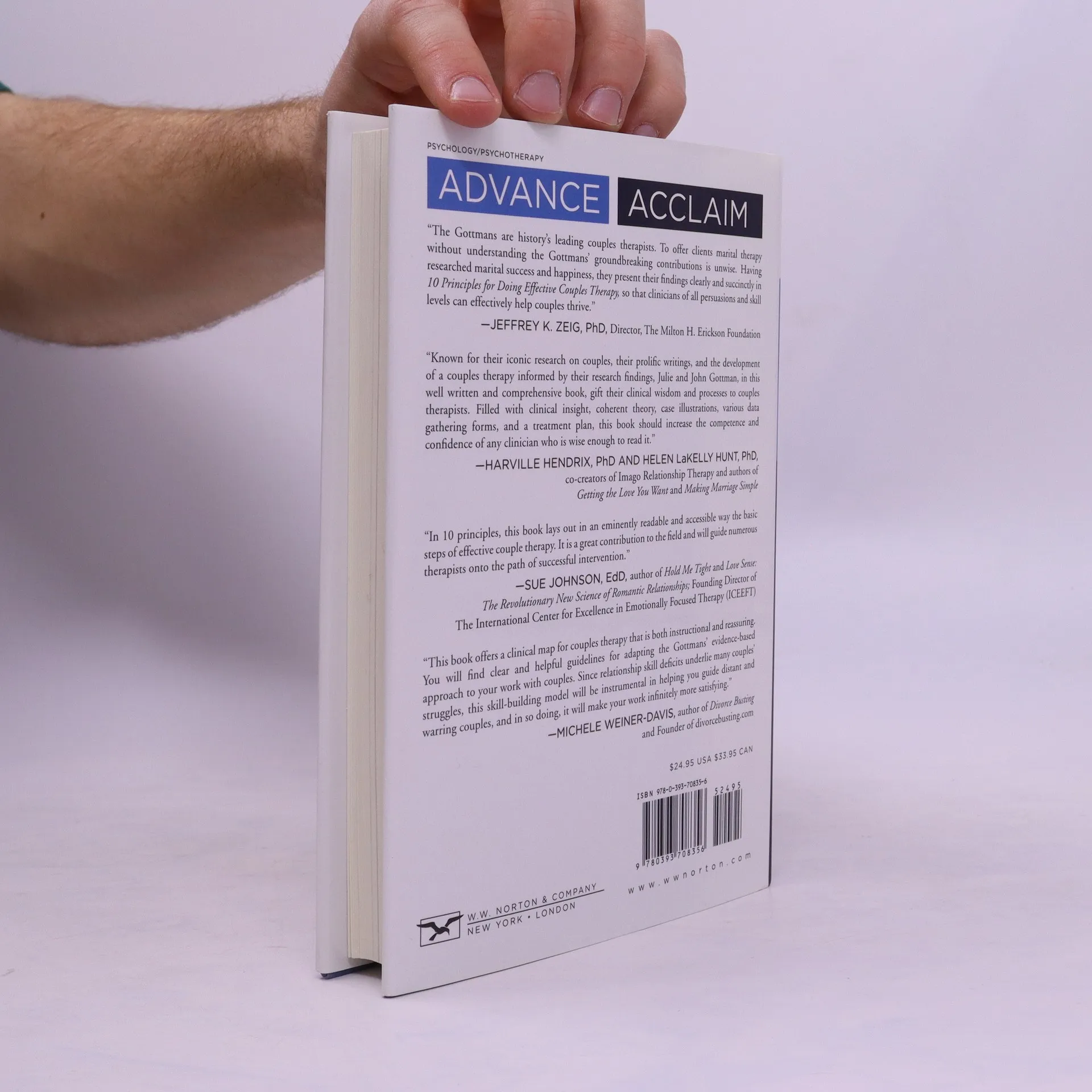

Parametry
- 288 stron
- 11 godzin czytania
Więcej o książce
From a leading couple therapist duo comes a practical guide to effective couples therapy. This book offers an inside look at their extensive experience in the field, distilled into ten core principles of successful couples work. Each principle is supported by clinical case studies and personal anecdotes, providing a rich context for understanding the complexities of relationships. Key topics include how to address the elusive nature of "the relationship," empathizing with clients who have conflicting viewpoints, and the implications of separation on perceived success. The authors explore the unique challenges of working with relationships compared to individual clients, including what to prioritize, the right questions to ask, and how to navigate differing client responses. Additionally, they discuss managing the emotional and personal histories that arise during therapy sessions and emphasize the importance of research-based practices. This insightful guide is essential for anyone involved in couples therapy, offering valuable strategies and guidance for navigating the intricacies of relationship dynamics.
Zakup książki
10 Principles for Doing Effective Couples Therapy, John Mordechai Gottman, Julie Schwartz Gottman
- Język

- Rok wydania
- 2015
- Oprawa
- (twarda)
Metody płatności
Brakuje nam tutaj Twojej recenzji.
- Tytuł
- 10 Principles for Doing Effective Couples Therapy
- Język
- angielski
- Wydawca
- National Geographic Books
- Rok wydania
- 2015
- Oprawa
- twarda
- Liczba stron
- 288
- ISBN10
- 0393708357
- ISBN13
- 9780393708356
- Seria
- Kategorie
- Ocena
- 4,3 z 5
- Opis
- From a leading couple therapist duo comes a practical guide to effective couples therapy. This book offers an inside look at their extensive experience in the field, distilled into ten core principles of successful couples work. Each principle is supported by clinical case studies and personal anecdotes, providing a rich context for understanding the complexities of relationships. Key topics include how to address the elusive nature of "the relationship," empathizing with clients who have conflicting viewpoints, and the implications of separation on perceived success. The authors explore the unique challenges of working with relationships compared to individual clients, including what to prioritize, the right questions to ask, and how to navigate differing client responses. Additionally, they discuss managing the emotional and personal histories that arise during therapy sessions and emphasize the importance of research-based practices. This insightful guide is essential for anyone involved in couples therapy, offering valuable strategies and guidance for navigating the intricacies of relationship dynamics.