

Seria
Parametry
- 128 stron
- 5 godzin czytania
Więcej o książce
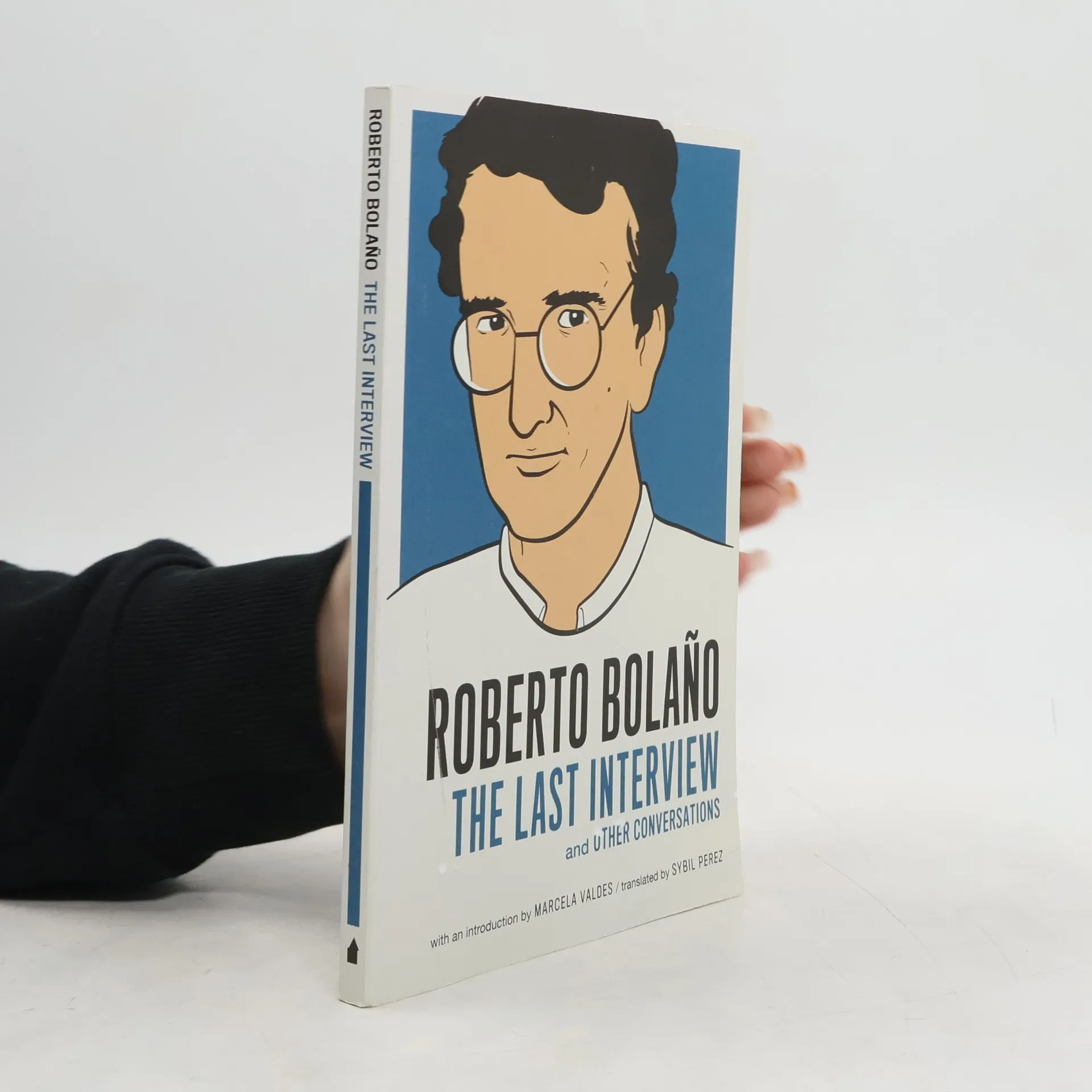
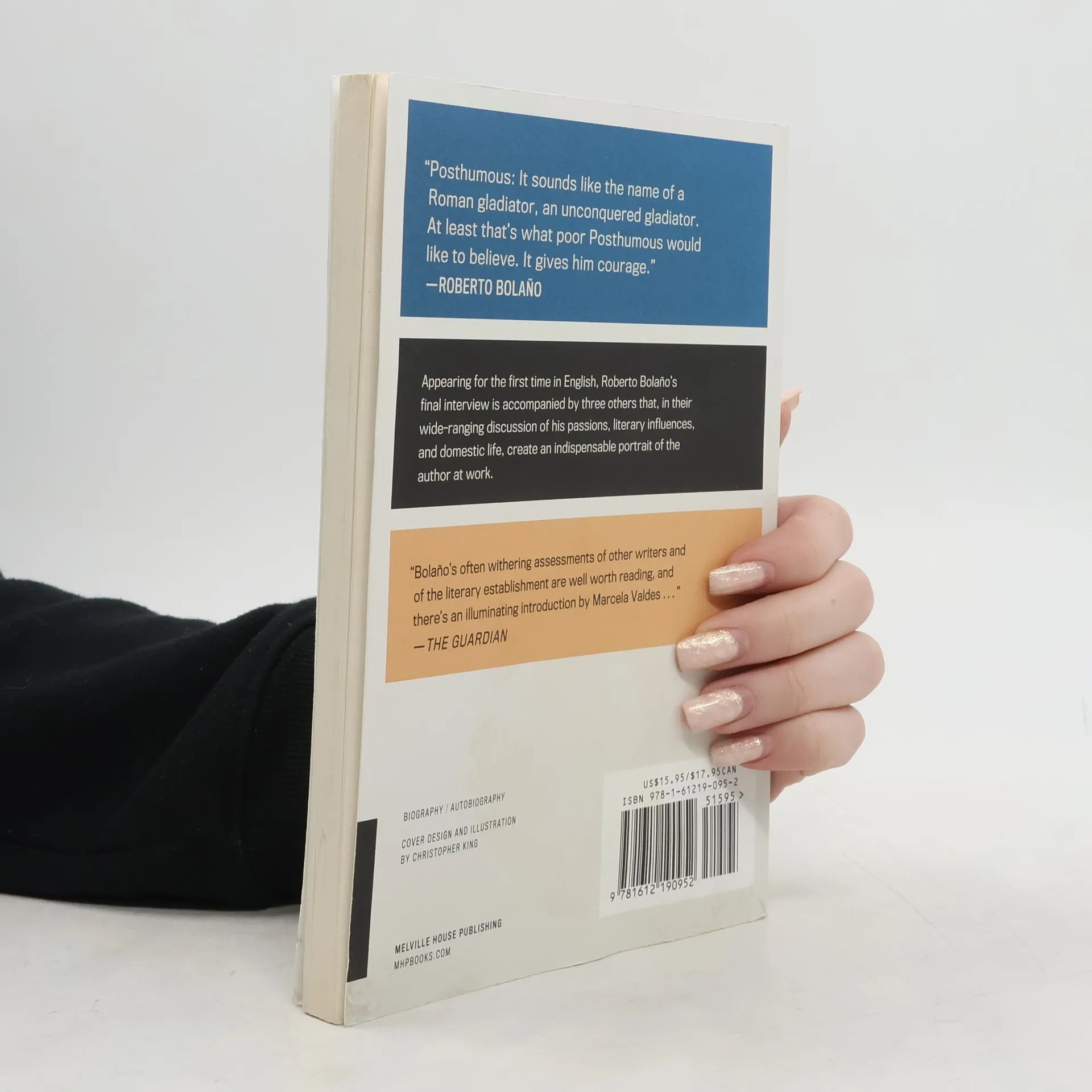
With the release of Roberto Bolaño’s The Savage Detectives in 1998,journalist Monica Maristain discovered a writer “capable of befriending his readers.” After exchanging several letters with Bolaño, Maristain formed a friendship of her own, culminating in an extensive interview with the novelist about truth and consequences, an interview that turned out to be Bolaño’s last. Appearing for the first time in English, Bolaño’s final interview is accompanied by a collection of conversations with reporters stationed throughout Latin America, providing a rich context for the work of the writer who, according to essayist Marcela Valdes, is “a T.S. Eliot or Virginia Woolf of Latin American letters.” As in all of Bolaño’s work, there is also wide-ranging discussion of the author’s many literary influences. (Explanatory notes on authors and titles that may be unfamiliar to English-language readers are included here.) The interviews, all of which were completed during the writing of the gigantic 2666, also address Bolaño’s deepest personal concerns, from his domestic life and two young children to the realities of a fatal disease.



Zakup książki
Roberto Bolano: The Last Interview, Roberto Bolaňo
- Język

- Rok wydania
- 2012
- Oprawa
- (miękka)
Metody płatności
Brakuje nam tutaj Twojej recenzji.
- Tytuł
- Roberto Bolano: The Last Interview
- Język
- angielski
- Autorzy
- Roberto Bolaňo
- Wydawca
- Melville House Publishing
- Rok wydania
- 2012
- Oprawa
- miękka
- Liczba stron
- 128
- ISBN10
- 1612190952
- ISBN13
- 9781612190952
- Seria
- The Last Interview
- Kategorie
- Ocena
- 3,85 z 5
- Opis
- With the release of Roberto Bolaño’s The Savage Detectives in 1998,journalist Monica Maristain discovered a writer “capable of befriending his readers.” After exchanging several letters with Bolaño, Maristain formed a friendship of her own, culminating in an extensive interview with the novelist about truth and consequences, an interview that turned out to be Bolaño’s last. Appearing for the first time in English, Bolaño’s final interview is accompanied by a collection of conversations with reporters stationed throughout Latin America, providing a rich context for the work of the writer who, according to essayist Marcela Valdes, is “a T.S. Eliot or Virginia Woolf of Latin American letters.” As in all of Bolaño’s work, there is also wide-ranging discussion of the author’s many literary influences. (Explanatory notes on authors and titles that may be unfamiliar to English-language readers are included here.) The interviews, all of which were completed during the writing of the gigantic 2666, also address Bolaño’s deepest personal concerns, from his domestic life and two young children to the realities of a fatal disease.