

Parametry
Więcej o książce
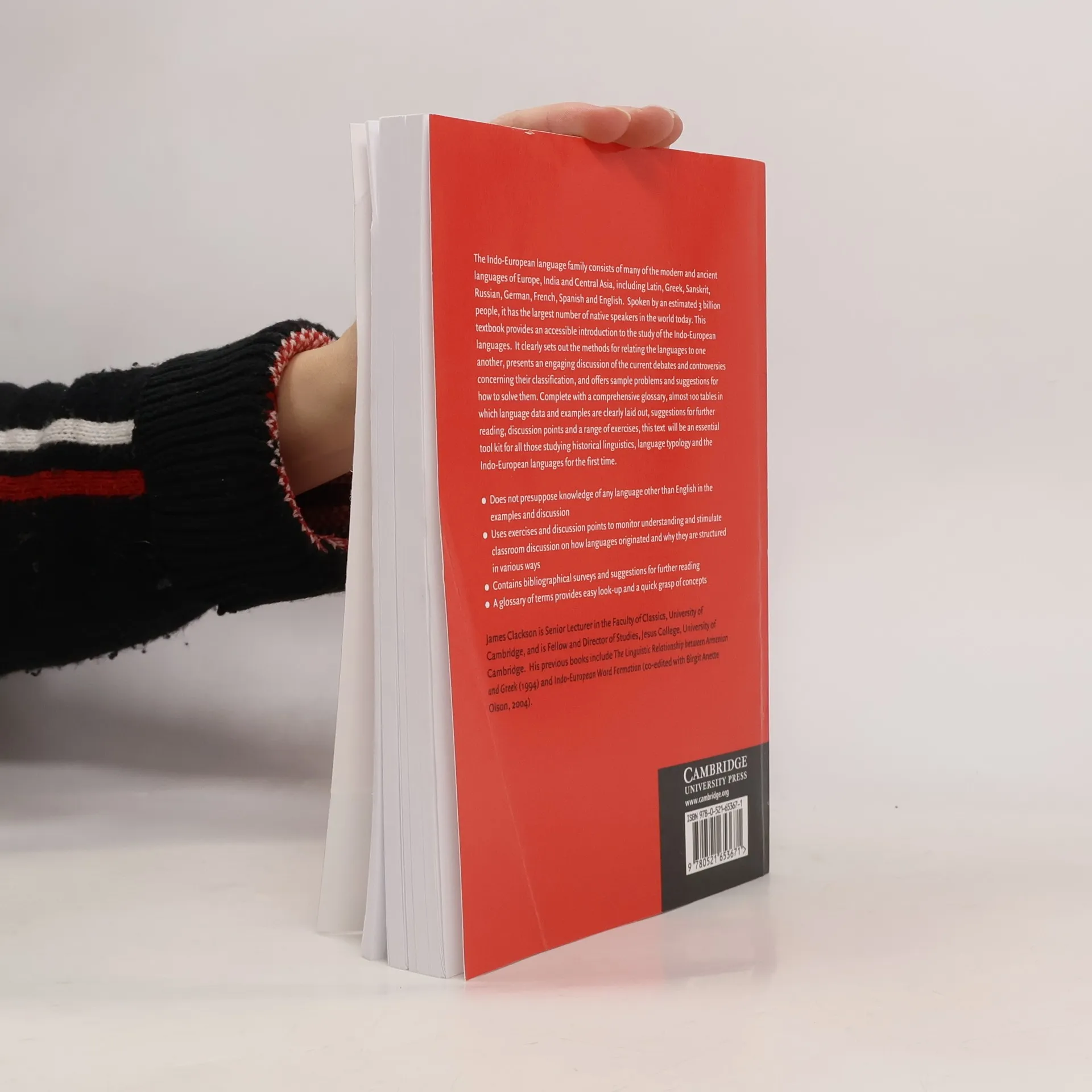
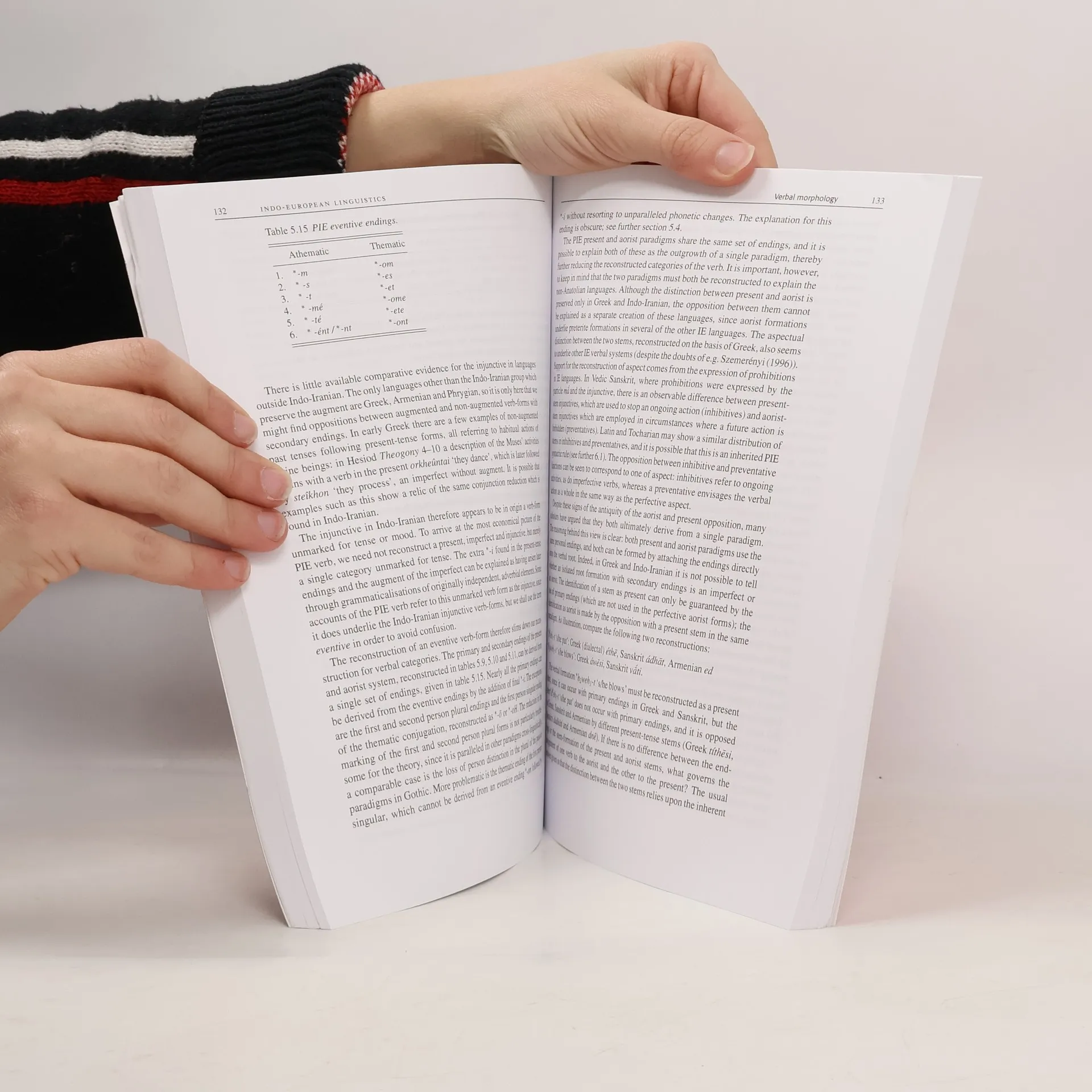
The Indo-European language family consists of many of the modern and ancient languages of Europe, India and Central Asia, including Latin, Greek, Sanskrit, Russian, German, French, Spanish and English. Spoken by an estimated three billion people, it has the largest number of native speakers in the world today. This textbook provides an accessible introduction to the study of the Indo-European languages. It clearly sets out the methods for relating the languages to one another, presents an engaging discussion of the current debates and controversies concerning their classification, and offers sample problems and suggestions for how to solve them. Complete with a comprehensive glossary, almost 100 tables in which language data and examples are clearly laid out, suggestions for further reading, discussion points, and a range of exercises, this text will be an essential toolkit for all those studying historical linguistics, language typology and the Indo-European languages for the first time.


Zakup książki
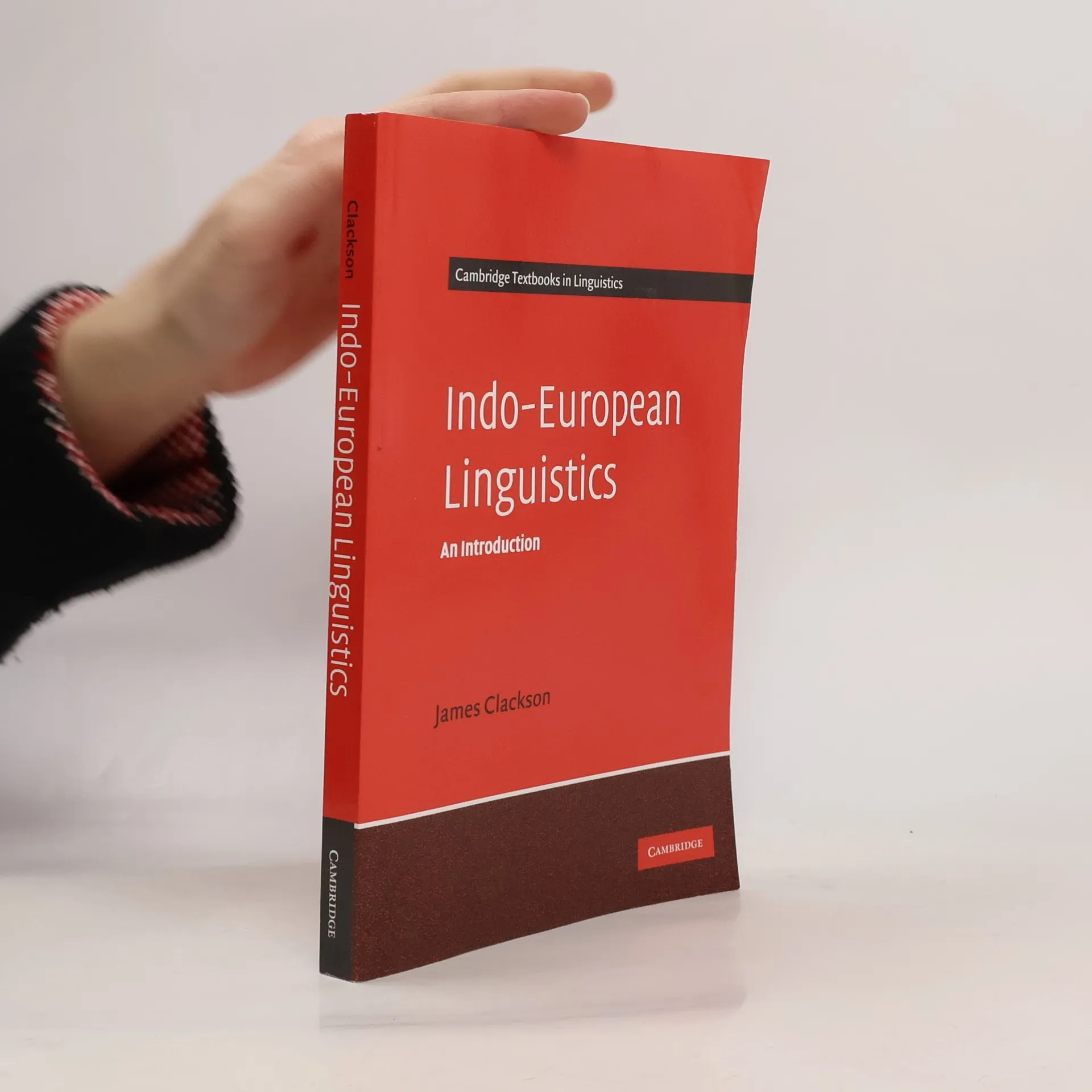
Indo-European Linguistics, James Clackson
- Język

- Rok wydania
- 2007
- Oprawa
- (miękka)
Metody płatności
Brakuje nam tutaj Twojej recenzji.
- Tytuł
- Indo-European Linguistics
- Język
- angielski
- Autorzy
- James Clackson
- Wydawca
- Cambridge University Press
- Rok wydania
- 2007
- Oprawa
- miękka
- ISBN10
- 0521653673
- ISBN13
- 9780521653671
- Seria
- Kategorie
- Ocena
- 3,95 z 5
- Opis
- The Indo-European language family consists of many of the modern and ancient languages of Europe, India and Central Asia, including Latin, Greek, Sanskrit, Russian, German, French, Spanish and English. Spoken by an estimated three billion people, it has the largest number of native speakers in the world today. This textbook provides an accessible introduction to the study of the Indo-European languages. It clearly sets out the methods for relating the languages to one another, presents an engaging discussion of the current debates and controversies concerning their classification, and offers sample problems and suggestions for how to solve them. Complete with a comprehensive glossary, almost 100 tables in which language data and examples are clearly laid out, suggestions for further reading, discussion points, and a range of exercises, this text will be an essential toolkit for all those studying historical linguistics, language typology and the Indo-European languages for the first time.