

Więcej o książce
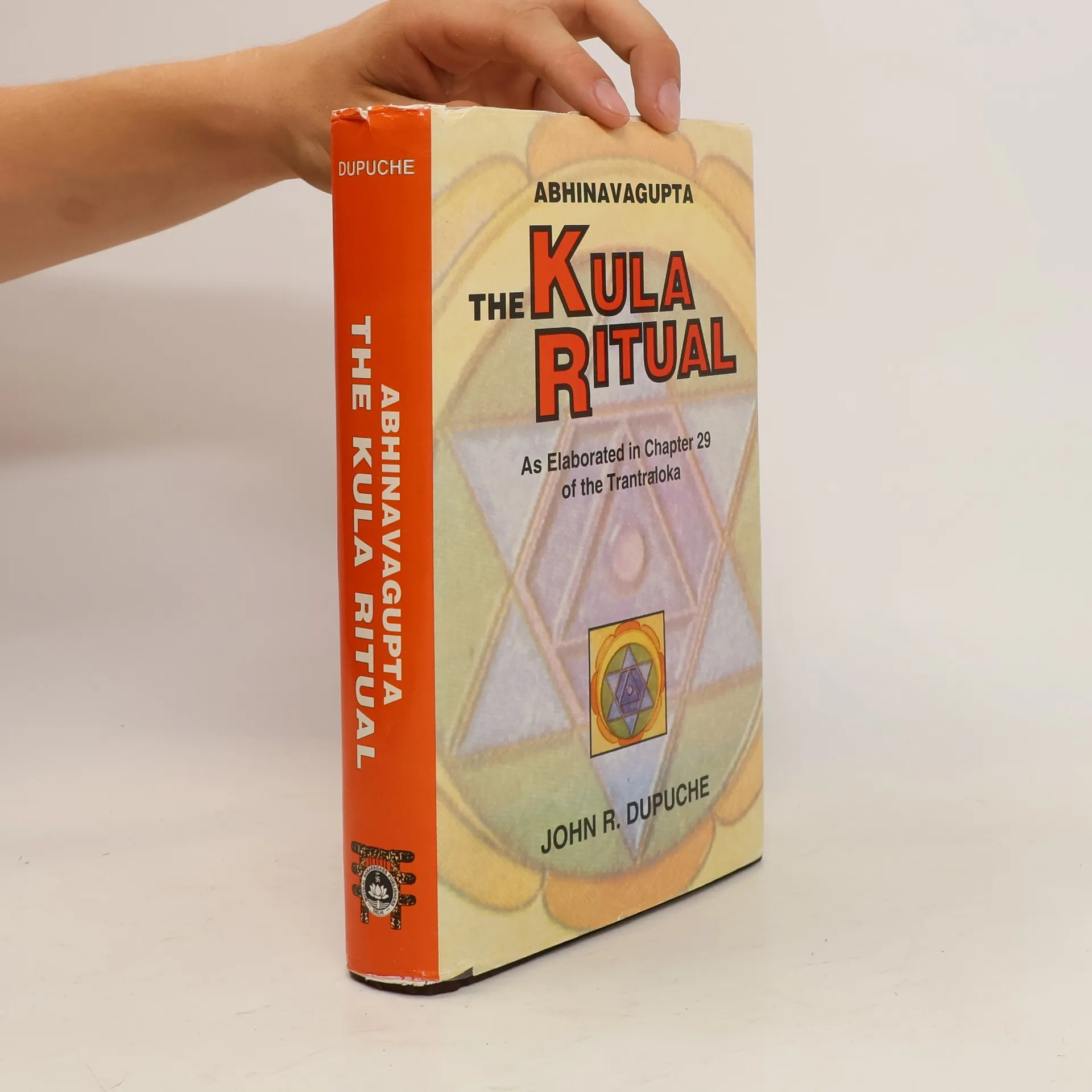
In Abhinavagupta's encyclopaedic work, the Tantraloka (Light on the Tantras), he describes the various tantras of his day and places at their apex the most extreme of them, the Kula ritual, which proposes the use of wine and meat and intercourse with women of the low castes. Is Abhinavagupta's esteem of the Kula ritual just the shadow side of genius, an abberation best forgotten? This book is a translation - the first into English of any chapter of the Tantraloka of Abhinavagupta's version of the Kula ritual. It also provides a translation - the first into any language - of Jayaratha's indispensable commentary. It shows the structure of the text, which is not a confused mass of codes and activities but is articulated as finely as an Indian temple. The translation is accompanied by a commentary, the appendices, including a glossary and index of words.


Zakup książki
Abhinavagupta. The Kula ritual. As elaborated in Chapter 29 of the Tantráloka, John R. Dupuche
- Język

- Rok wydania
- 2003
- Oprawa
- (twarda)
Metody płatności
Brakuje nam tutaj Twojej recenzji.
- Tytuł
- Abhinavagupta. The Kula ritual. As elaborated in Chapter 29 of the Tantráloka
- Język
- angielski
- Autorzy
- John R. Dupuche
- Wydawca
- Motilal Banarsidass
- Rok wydania
- 2003
- Oprawa
- twarda
- Liczba stron
- 532
- ISBN10
- 8120819799
- ISBN13
- 9788120819795
- Seria
- Kategorie
- Tagi
- Ocena
- 4,15 z 5
- Opis
- In Abhinavagupta's encyclopaedic work, the Tantraloka (Light on the Tantras), he describes the various tantras of his day and places at their apex the most extreme of them, the Kula ritual, which proposes the use of wine and meat and intercourse with women of the low castes. Is Abhinavagupta's esteem of the Kula ritual just the shadow side of genius, an abberation best forgotten? This book is a translation - the first into English of any chapter of the Tantraloka of Abhinavagupta's version of the Kula ritual. It also provides a translation - the first into any language - of Jayaratha's indispensable commentary. It shows the structure of the text, which is not a confused mass of codes and activities but is articulated as finely as an Indian temple. The translation is accompanied by a commentary, the appendices, including a glossary and index of words.