


Więcej o książce
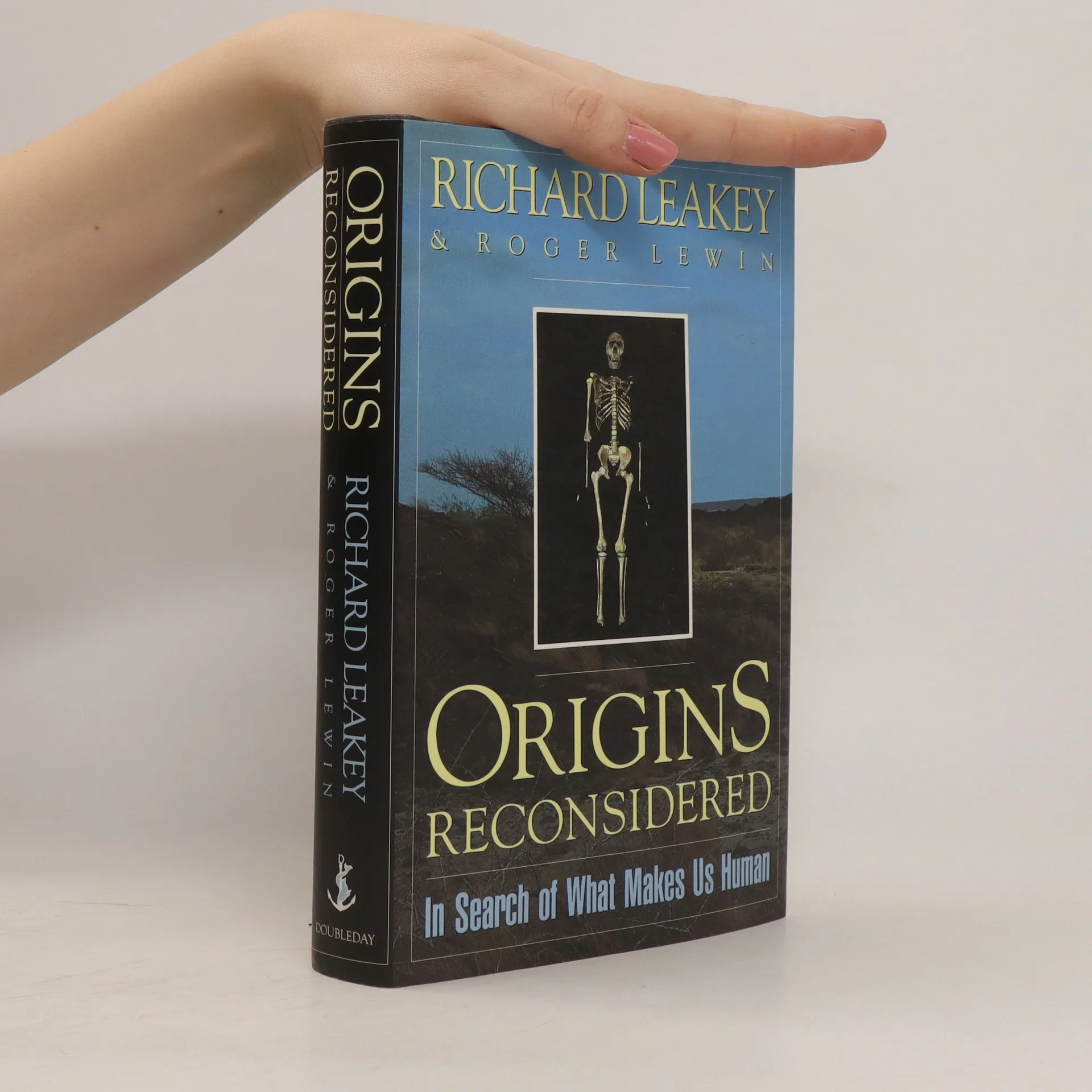
In this insightful exploration, Richard Leakey, a leading figure in paleoanthropology, takes readers on a thought-provoking journey through human history. He begins with his groundbreaking discoveries at Lake Turkana, including the remarkable find of a 1.5-million-year-old boy's skull and the nearly complete skeleton known as "Turkana Boy," which stands as a pivotal moment in the field. While this discovery captivated the scientific community and the public, Leakey's focus shifted to deeper questions about our humanity. He challenges the conventional inquiry of "How did we physically evolve?" and instead asks, "How did we become human?" This introspection reveals a gap in our understanding, emphasizing that our ancestors evolved from simple scavengers to complex beings capable of making tools, communicating, and creating culture. Leakey revisits his earlier work, particularly his 1977 book, to reassess his beliefs about what defines us. He acknowledges that such reflections are often left to philosophers, yet he remains committed to the idea that "The past is the key to our future." By weaving together insights from philosophy, anthropology, molecular biology, and linguistics, he investigates not just our anatomical evolution, but also the development of consciousness, creativity, and culture that truly characterize humanity.

Zakup książki
Origins Reconsidered, Richard E. Leakey
- Język

- Rok wydania
- 1992
- Oprawa
- (twarda)
Metody płatności
Brakuje nam tutaj Twojej recenzji.
- Tytuł
- Origins Reconsidered
- Język
- angielski
- Autorzy
- Richard E. Leakey
- Wydawca
- Doubleday Books
- Rok wydania
- 1992
- Oprawa
- twarda
- Liczba stron
- 375
- ISBN10
- 0385412649
- ISBN13
- 9780385412643
- Seria
- Kategorie
- Tagi
- Tematy historyczne, Nauka, Afryka, Archeologia, Ewolucja
- Oryginalna nazwa
- The making of mankind
- Ocena
- 4,1 z 5
- Opis
- In this insightful exploration, Richard Leakey, a leading figure in paleoanthropology, takes readers on a thought-provoking journey through human history. He begins with his groundbreaking discoveries at Lake Turkana, including the remarkable find of a 1.5-million-year-old boy's skull and the nearly complete skeleton known as "Turkana Boy," which stands as a pivotal moment in the field. While this discovery captivated the scientific community and the public, Leakey's focus shifted to deeper questions about our humanity. He challenges the conventional inquiry of "How did we physically evolve?" and instead asks, "How did we become human?" This introspection reveals a gap in our understanding, emphasizing that our ancestors evolved from simple scavengers to complex beings capable of making tools, communicating, and creating culture. Leakey revisits his earlier work, particularly his 1977 book, to reassess his beliefs about what defines us. He acknowledges that such reflections are often left to philosophers, yet he remains committed to the idea that "The past is the key to our future." By weaving together insights from philosophy, anthropology, molecular biology, and linguistics, he investigates not just our anatomical evolution, but also the development of consciousness, creativity, and culture that truly characterize humanity.